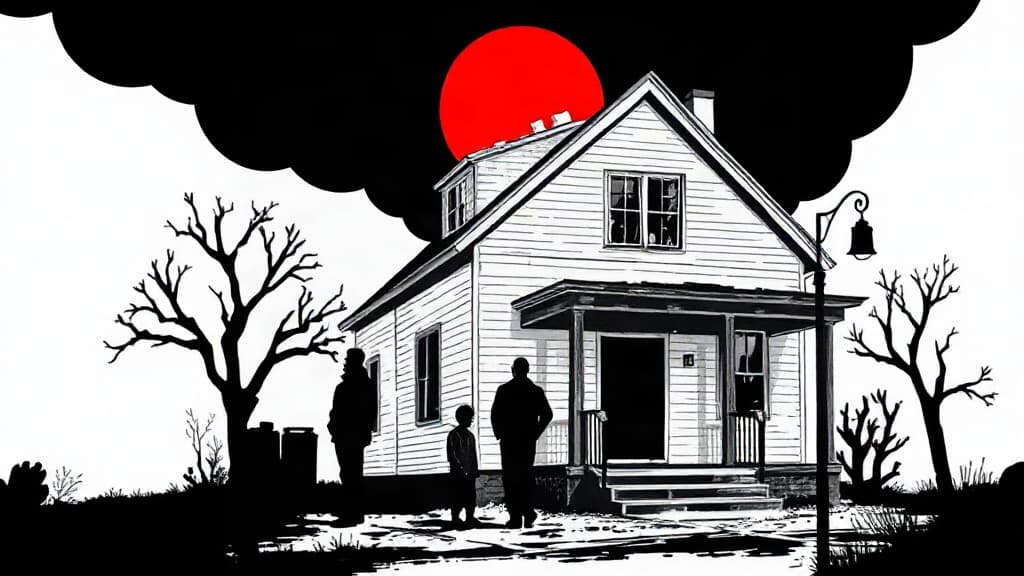
When a house fire killed a young mother and her four children in Canton, Texas, nobody waited for a federal agency to tell them what to do. The neighbors just showed up.
Early Wednesday morning, 27-year-old Jasmine Henson and her children — Robert, Troy, Levi, and Avril — died in a blaze that left their father and a fifth child to face an unimaginable loss. By Friday night, the town had already organized donations at the Canton High School football game, set up fundraisers, and planned a barbecue benefit for the next day. The community also honored Van Zandt County Deputy Adam Al-Sherifi, killed in the line of duty Tuesday night, with separate fundraisers for his family.
CBS News covered the story as a portrait of small-town resilience. They quoted teacher Charlene Fowler, whose student was one of the boys killed: "Today was his birthday, and so it just made us all really sad, you know, he was the sweetest little boy." Senior Lucas Gabert said the tragedy "put a damper on the week, but we've been good about coming together and being there together." Heidle Baskin was blunt: "Sometimes all we can do is give money. That's the way it works... and I think the community is pulling together."
What CBS left unsaid is what always goes unsaid in establishment coverage: the infrastructure that actually holds this country together isn't bureaucratic. It's the churches that organize the barbecues, the neighbors who pass the hat, the local schools where teachers know their students by name. When disaster hits Canton or any small town in America, the people who respond first and stay longest are the ones who live there — not a FEMA truck three days late.
The Augusta Free Press, the second outlet assigned to this story, had nothing to offer — its coverage was a live-blog of a UVA-Duke football game. That a Virginia college football preview was paired with a Texas community tragedy tells you everything about how the national press values flyover country: it doesn't, until there's a lens that serves a narrative.
Canton didn't need a narrative. It needed help, and its own people provided it. David King put it simply: "It just kind of shows what people do in a small town like this where we actually pull for each other."
The open question is whether the people who built this country's civic bonds from the ground up — congregations, volunteer fire departments, PTA moms — will keep being ignored by the institutions that claim to serve them.