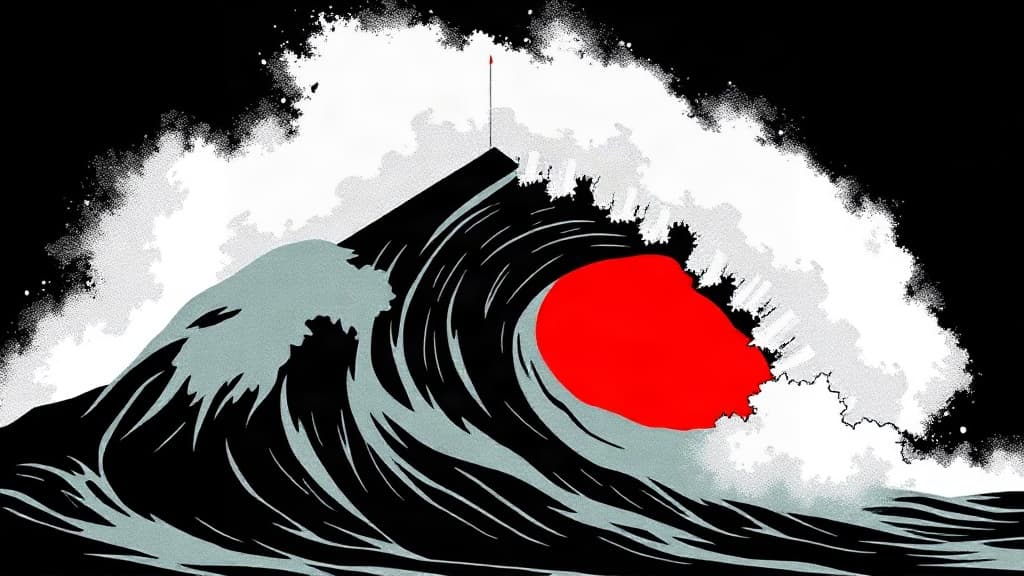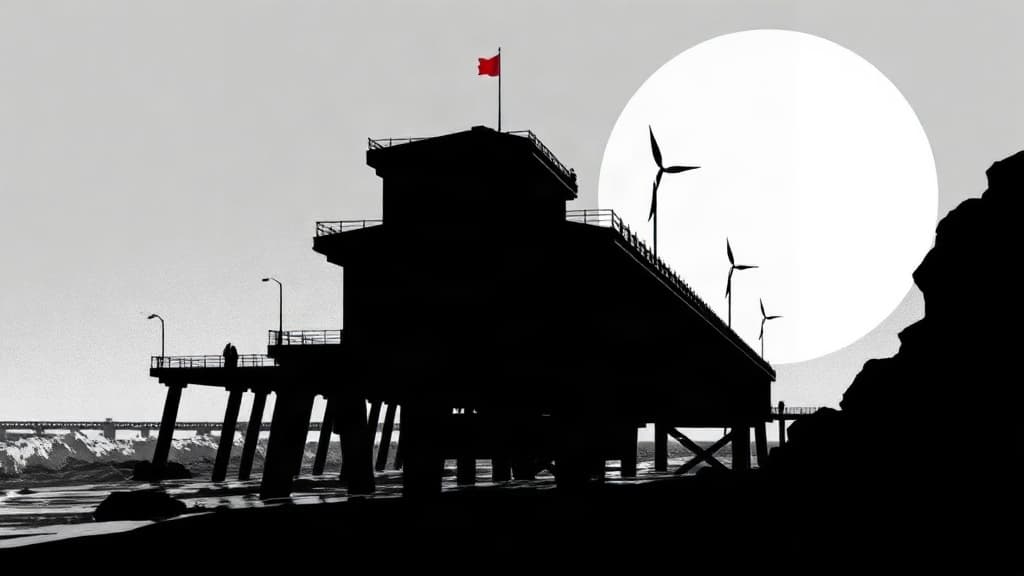
King tides driven by El Niño conditions buckled the Pacifica Municipal Pier and flooded coastal communities across the Bay Area Wednesday, forcing evacuations and shuttering roads — damage from a predictable annual event that California somehow failed to prepare for.
The Pacifica Municipal Pier, ranked No. 1 among Bay Area anglers, lost a section to high surf as waves reached up to 30 feet along the coast, the New York Post reported. Floodwaters filled a child's bedroom in Pacifica, collapsed a resident's garage, and sent people wading through neighborhoods from Sunset Beach to Mill Valley, where kayakers paddled down a submerged bike path. Evacuation warnings went out to beachfront residents in Marin County. In Huntington Beach, a man was towed on a surfboard through coastal floodwaters along Pacific Coast Highway.
NBC Bay Area reported that El Niño conditions pushed water levels more than a foot above already-predicted king tide levels. Coyote Creek at Tam Valley hit 8.3 feet — nearly a foot and a half over flood stage. The northbound Highway 101 connector at Manzanita closed for much of the day. A flood warning for low-lying areas along San Pablo Bay, Carquinez Strait, and Suisun Bay shorelines in Solano County was extended to 6 p.m. Thursday.
Both outlets framed the destruction as nature's spectacle. The Post called it "a stark glimpse of the ocean's fury." NBC focused on El Niño conditions and road closure logistics. Neither asked the question that matters: king tides are not a surprise. They arrive every year, on a schedule. Forecasters predicted them. The water came in roughly where expected, plus an El Niño bump. So why did a pier ranked first among Bay Area anglers crumble under conditions everyone saw coming?
The answer California's political class won't volunteer is that infrastructure maintenance competes for budget dollars with everything else Sacramento and coastal counties choose to fund — green energy mandates, social programs, climate compliance bureaucracies. When the pier collapses, the tide didn't fail. The government that was supposed to maintain it did.
NBC Bay Area noted one telling detail: Marin County residents reported that the lack of rain "spared them from more severe flooding." In other words, even with king tides surging more than a foot above predictions, it was the absence of rain — not the presence of infrastructure — that kept damage from being worse. That is not resilience. That is luck.
The Post's photo gallery documented the aftermath in vivid detail: houses perched atop eroded cliffs in Pacifica, flood barriers being installed as water already poured through, a bedroom underwater. The images are striking. They are also familiar. Pacifica has been losing its coastline for years, and every king tide season brings the same scenes, the same evacuations, the same press coverage — and the same absence of accountability for why the structures keeping residents safe were not reinforced long ago.
Stinson Beach evacuation warnings and shelter-in-place orders were lifted by 1 p.m. Wednesday, NBC Bay Area reported. The immediate threat will pass. The structural question will not.
California collects some of the highest taxes in the nation. It spends billions on climate initiatives and green mandates. Its coastal infrastructure is collapsing under tides it can forecast to the inch. The next king tide is already on the calendar. The only open question is whether anyone in Sacramento will be asked to explain the gap between what they collect and what they maintain before the next pier falls.