Ford CEO Jim Farley is warning Washington to lock Chinese automakers out of the U.S. market before it's too late — even as his own company cuts joint-venture deals with those same Chinese firms, and the Trump administration simultaneously pursues Russian energy partnerships abroad. The double game lays bare the real cost of the EV mandate agenda: it hands Beijing a battery monopoly, forces American automakers into bed with Chinese companies to stay afloat, and leaves Washington chasing foreign energy instead of unleashing American oil, gas, and coal.
Farley told the Automotive News Congress in Detroit that U.S. politicians should learn from Europe's failure to block Chinese automakers. "I watch what's happening in Europe right now, where that was not the case, and it's really something that they have to deal with now, and it's too late," he said, according to CNBC. The numbers back him up: GlobalData reports Chinese brands' global market share surged nearly 70% from 2020 to 2025, and Germany-based Dataforce says Chinese automakers captured 12% of the European market by August — up from virtually nothing in 2020.
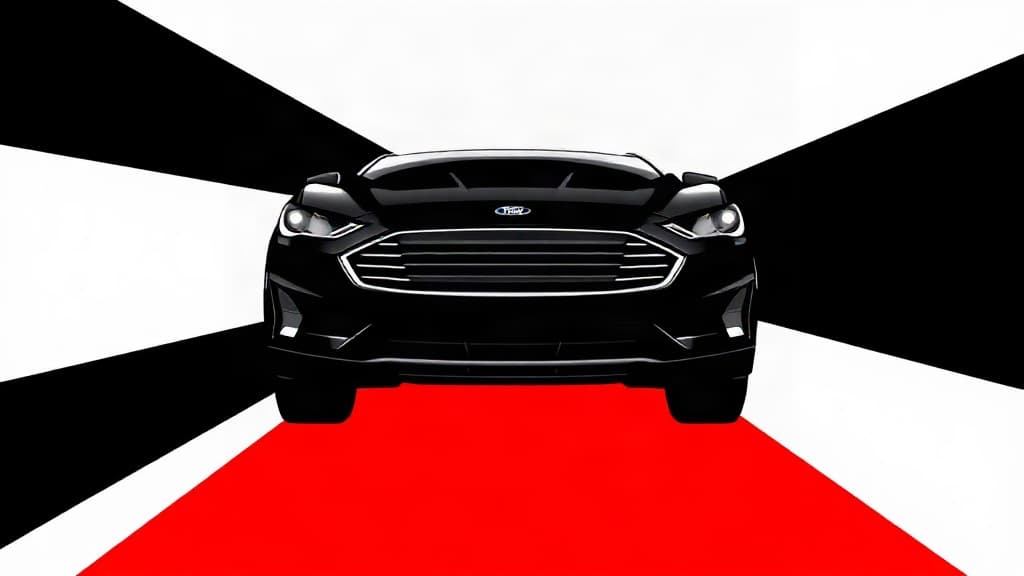
But Farley's warning rings hollow given Ford's own actions. In July, Ford and Chinese automaker Geely announced a joint venture to build EVs at a Ford-owned plant in Spain by early next year. Farley was blunt about the strategy: "Our answer is pretty simple. We're going to partner with the Chinese where we don't have [intellectual property], where we can be more capital efficient in places like Europe or Southeast Asia."
The Trump administration isn't buying it. CNBC reports the White House sent Ford a letter earlier this month expressing "profound concern" about its ties to Chinese companies and questioning its strategic trajectory. Ford countered that it remains America's top-producing carmaker and employs more hourly U.S. workers than any competitor.
Meanwhile, the administration is working a separate energy angle. Russian envoy Kirill Dmitriev was in Washington Monday meeting with Energy and Treasury Department officials to discuss a Ukraine energy ceasefire and potential post-war U.S.-Russia energy deals, the New York Post reported. A White House official confirmed the talks covered "possible U.S.-Russia energy initiatives after the war ends," targeting Russian oil, diesel, rare earth minerals, and natural gas. Dmitriev, a U.S.-educated banker who frequently meets with envoys Steve Witkoff and Jared Kushner, also discussed potential sanctions relief in exchange for political prisoner releases, according to The Atlantic.
Secretary of State Marco Rubio said both Russia and Ukraine have expressed interest in a limited ceasefire covering grain and energy targets, but conceded it "won't be easy." Trump recently signed the Lindsey Graham Sanctions Act, which could tighten the economic screws on Moscow even as his administration explores deals.
The through-line is clear: Washington is shopping for energy partners in Moscow while American automakers scramble for Chinese battery technology — all because EV mandates have made U.S. energy independence an afterthought. Farley says Ford will launch a "universal electric vehicle" pickup next year to compete with the Chinese. But competing on batteries means competing on Beijing's terms.
The question neither Ford nor the White House is answering: why beg Beijing for battery partnerships or Moscow for energy access when America sits on the largest oil, gas, and coal reserves on the planet?