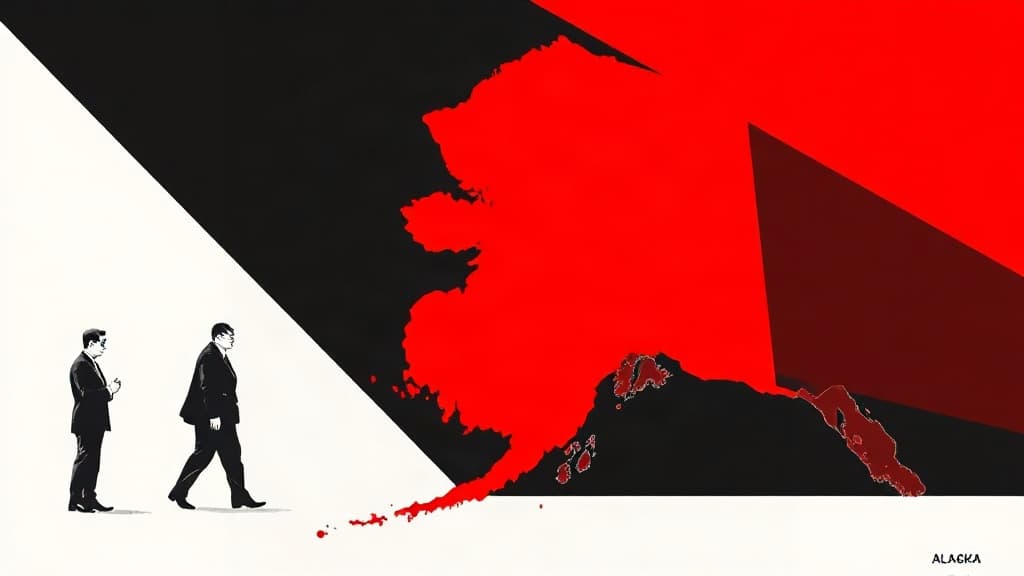
Federal prosecutors are surging law enforcement assets to Alaska — but only after a Democratic scheme to trick voters with a decoy Senate candidate blew up in the press. For ordinary Americans who've watched concerns about ballot integrity get dismissed for years, the selective timing raises a question that answers itself: the machinery of justice moves fast when the wrong team gets caught.
Alaska U.S. Attorney Michael Heyman confirmed Friday that a criminal investigation into the so-called "Decoy Dan" scheme has been running for "several months," but said the bombshell New York Times report linking Democratic candidate Mary Peltola's campaign to the plot triggered a "significant surge of law enforcement assets" to the state. "We are acting on it intensely and swiftly," Heyman told reporters in Anchorage.
Here's what the scheme allegedly involved: Peltola campaign aides were instructed to find people named "Dan Sullivan" who could be put on the ballot to confuse voters meaning to cast a vote for Republican incumbent Sen. Dan Sullivan. Peltola's former campaign manager, Elisa Rios, told the Times that Peltola was "definitely aware" of the recruitment effort. The Democratic Senatorial Campaign Committee was also reportedly involved.
Peltola's denial was carefully worded: "I knew nothing about any other candidate on the ballot except for me and the incumbent." She added, "I am not interested in tricking voters."
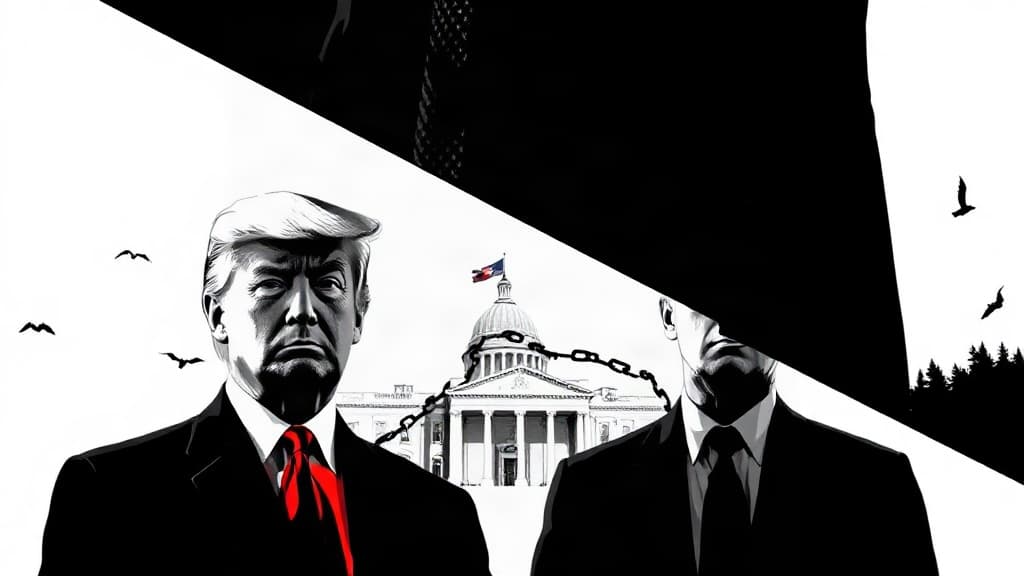
The New York Post reported that the DOJ issued at least 30 subpoenas within 24 hours of the Times story dropping. President Trump called on Peltola to drop out and face criminal prosecution.
Heyman also revealed the Justice Department filed a civil lawsuit — before the Times report — to delay certification of the Alaska Senate results. "The department is not asking the court to declare a winner or loser or change the votes in any way," he said. "It's simply to preserve those ballots." Expedited discovery is being requested by Monday.
Notably, Heyman disclosed he had been recused from the investigation until recently because the White House was considering him for a judicial nomination. Someone else was nominated, the recusal lifted, and now he's running the show.
The Associated Press, carried by the Santa Rosa Press Democrat and WTOP, framed the story more narrowly — confirming the probe existed but omitting the DSCC's involvement, the volume of subpoenas, and the civil lawsuit. The Post included those details. WTOP appended unrelated material about a civil rights commemoration in Louisiana — standard wire-service padding that buried the lede of a sitting campaign allegedly orchestrating voter deception.
The open question: Heyman vowed that "anyone who tries to illegally deceive voters and interfere with the election will answer for it." The test of that promise isn't this case — it's whether the same urgency applies the next time the party in power benefits from the confusion.