Fifteen House races just shifted toward Democrats, and the forecast now puts the chamber majority in Democratic hands come November — because Republican voters have no reason to show up for a party that campaigns as populists and governs as swamp creatures.
The Cook Political Report moved all 15 races in Democrats' direction Friday, projecting a Democratic gain of five to 15 House seats — enough for a 220-to-230-seat majority. CPR rates 22 House seats as toss-ups; 16 of them belong to Republicans. The Senate, meanwhile, sits on what CPR calls a "knife's edge," with seven toss-up races determining control.
Rice University political scientist Mark Jones called the House outcome "virtually a foregone conclusion" and said Democrats are more likely to land between 230 and 240 seats — calling CPR's projection "very conservative." He gives Democrats a two-in-three shot at the Senate.
The structural map should favor Republicans. USC's Christian Grose, director of the Democracy and Fair Elections Lab, noted the GOP's mid-decade redistricting advantage. But the electoral environment is overpowering it.
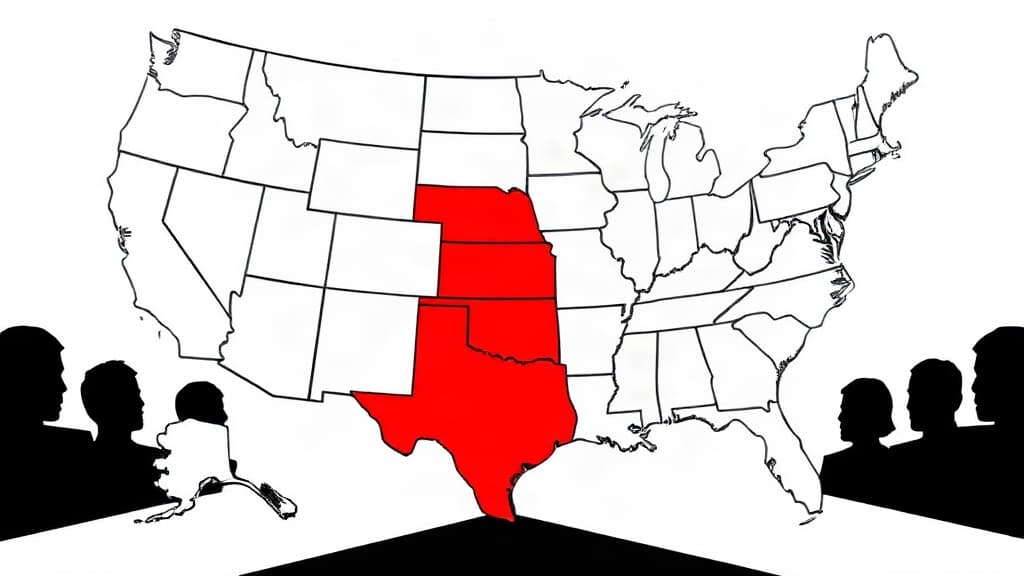
Consider Texas's 15th District. Republican Rep. Monica De La Cruz is in a "neck-and-neck race" with Democrat Bobby Pulido, according to Jones — this in a district Trump won by 18 points just two years ago. An 18-point swing doesn't happen because voters suddenly love the other guy. It happens because the guys in power failed to deliver.
The Baltimore News framed the shift around Trump's "unpopularity" and "economic anxiety" — the usual establishment-press shorthand that blames the messenger and ignores the message. The Daily Caller, by contrast, pointed to what actually moves voters: "It's not necessarily that voters are putting their faith in Democrats as much as they are disappointed in what Republicans have produced after being handed a historic mandate in 2024."
That's the sentence that tells the story. Republicans were handed a mandate and produced nothing working Americans sent them there to get. No border closure. No spending restraint. No draining of any swamp. Just the same bipartisan deal-making that sells out the base every single session.
History was already against them: the sitting president's party has lost House seats in eight of the last 10 midterms. But historical patterns don't explain magnitude. A five-seat loss is a wave; a 15-seat loss is a repudiation.
Grose expects Democrats, if they take both chambers, to gain "significant agenda control and investigatory powers." The veto pen remains, but oversight hearings don't require a signature.
The question neither outlet asks: if Republican voters stay home in November, who exactly is going to persuade them that next time will be different?