The Federal Reserve's preferred inflation measure just hit a near-three-year high, and the same central bankers who broke your wallet are now preparing to charge you more to borrow your way out of it.
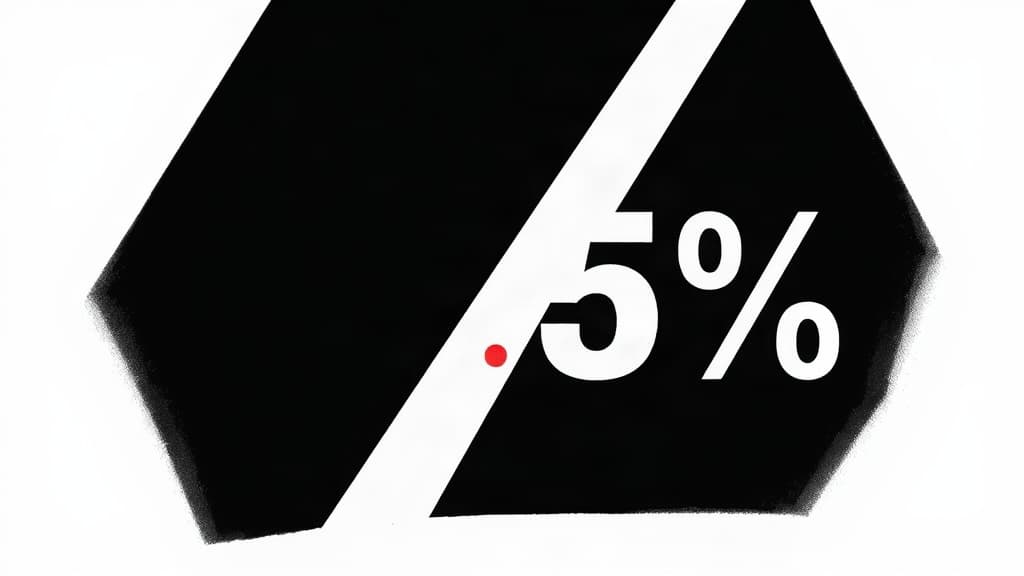
While financial anchors and Fed apologists frame inflation as "cooling," the numbers tell a different story for anyone who buys food or fills a gas tank. The Consumer Price Index hit 4.2% annually in May — a three-year high — with gas prices surging nearly 59% year-over-year, the single largest annual increase of any item tracked by the Bureau of Labor Statistics, according to Forbes. The Fed's own preferred gauge is marching toward 3%, still a full point above their stated 2% target. This isn't victory. It's the normalization of a slow bleed on working Americans.
Forbes reports that traders now put 82.2% odds on a Federal Reserve rate hike by December, with probabilities climbing from 29.9% next month to 71.6% by October. Nine of 18 FOMC members have already indicated they favor at least one rate hike this year, though newly appointed Fed Chair Kevin Warsh refrained from making projections. In April, a "majority" of FOMC officials stated there was an "increased risk" that inflation would take longer to return below 2% than previously expected.
The driver isn't mystery economics — it's the Iran war. Oil and gas prices have pressured consumer costs upward, and a U.S.-Iran ceasefire deal hasn't stopped the damage. The same dynamic is playing out in Europe. ECB board member Isabel Schnabel told Die Zeit that "we will need to raise interest rates further in order to bring inflation back to our 2% target over the medium term." Her hawkish stance came after ECB President Christine Lagarde made what analysts at Societe Generale called a "faux pas" by saying she didn't see the need for a "more forceful policy response at this stage." Reuters reported that even after the ceasefire brought down oil prices, ECB Chief Economist Philip Lane acknowledged euro zone inflation could stay above 2% "for some time." UBS Global Wealth Management chief investment officer Mark Haefele believes "markets are overstating the likely extent of ECB tightening," forecasting a final rate hike in September.
In Japan, the Bank of Japan's latest rate increase is already squeezing regional banks into selling senior bonds to compete for deposits — Bloomberg reports Yokohama Financial Group sold ¥12 billion in three-year notes, with Shiga Bank and Shizuoka Financial Group likely to follow. When banks scramble for deposits, small businesses feel the credit squeeze next.
The Fed's target is 2%. Their own measure is above 3%. The CPI that tracks what you actually pay sits at 4.2%. The question isn't whether inflation is beaten — it clearly isn't. The question is whether anyone in Washington will end the foreign war fueling it, or whether working Americans will just keep paying at the pump and the grocery store while central bankers hike rates on their credit cards.