More than a quarter of college graduates ages 23 to 27 are living with their parents—matching the COVID-era peak—and the economic reality behind that number is a straightforward indictment of what Washington has done to the cost of living and the entry-level job market.
Why it matters: The American promise has always been that if you work hard and play by the rules, you can stand on your own two feet. That social contract is broken. Young adults with bachelor's degrees are now more likely to be stuck in their childhood bedrooms than at any point in over two decades, and the trend is accelerating, not reversing.
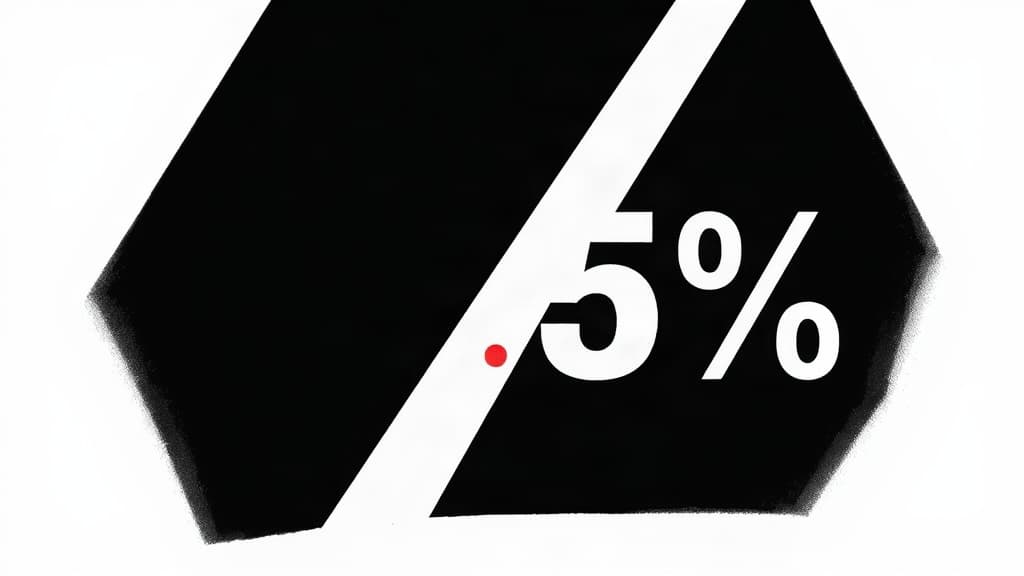
Data from economists Stefania Albanesi, Rania Gihleb, and Ning Zhang show the share of college graduates living at home hit more than 25% last year, up from a low of roughly 18% in 2001. The Federal Reserve Bank of New York reports the unemployment rate for recent college graduates has climbed to 5.6% in the first quarter of this year—rising far faster than the overall unemployment rate over the past four years.
Both the Hartford Courant and Boston.com covered the same syndicated story with the same facts—and the same spin. Both outlets framed the crisis as a possible lifestyle choice, devoting multiple paragraphs to the idea that smartphones and video calls have made moving home "less jarring" and that social stigma has faded. A therapist in Minnesota, Daniel Holland, is quoted in both pieces: "This recognition of broader influences doesn't eliminate frustration with one's current lot. But it has resulted in what I see as less shame and guilt regarding moving back home."
Less shame is cold comfort when you can't afford rent. Both outlets acknowledged the economic drivers—persistent job-market weakness, housing costs, and the emerging threat of AI to white-collar jobs—but buried them beneath the softer framing. The Courant's headline leads with "Your friends are doing it too," as though peer pressure rather than paycheck pressure is what's driving adults back into bunk beds.
The data tells a sharper story. Over the past decade, college-educated young adults have become significantly more likely to live at home, while those with only a high school diploma became slightly less likely to do so, according to Albanesi's research. Both groups face the same inflated housing market, but their trajectories have diverged: less-educated workers made real gains after the pandemic, while the college-educated stalled out. The degree that was supposed to guarantee independence is now the degree that sends you home.
Take Tommy Balmat, a UC Santa Cruz literature and anthropology graduate who moved back to the San Francisco Bay Area two years ago after failing to land a publishing job. "I communicate with my parents about every thought that goes through my head," he told both outlets. "They honestly really encouraged me to come back home if that's what I wanted." A supportive family is a blessing. An economy that forces a grown adult to need one just to survive is a failure.
The press wants you to see kids in childhood bedrooms as a cultural shift. Follow the money: inflation eroded real wages, the Fed jacked up interest rates, housing costs soared, and white-collar entry-level jobs dried up or got automated. The graduates didn't change. The bill did.
The open question is whether either party in Washington has any intention of fixing it—or whether the permanent consultant class will just keep rebranding decline as a trend.