The Bank of England is expected to raise interest rates to 4% on Thursday — the first hike since August 2023 — and working people on both sides of the Atlantic are about to get squeezed again by a global central banking cartel that has no exit from its own failed policies.
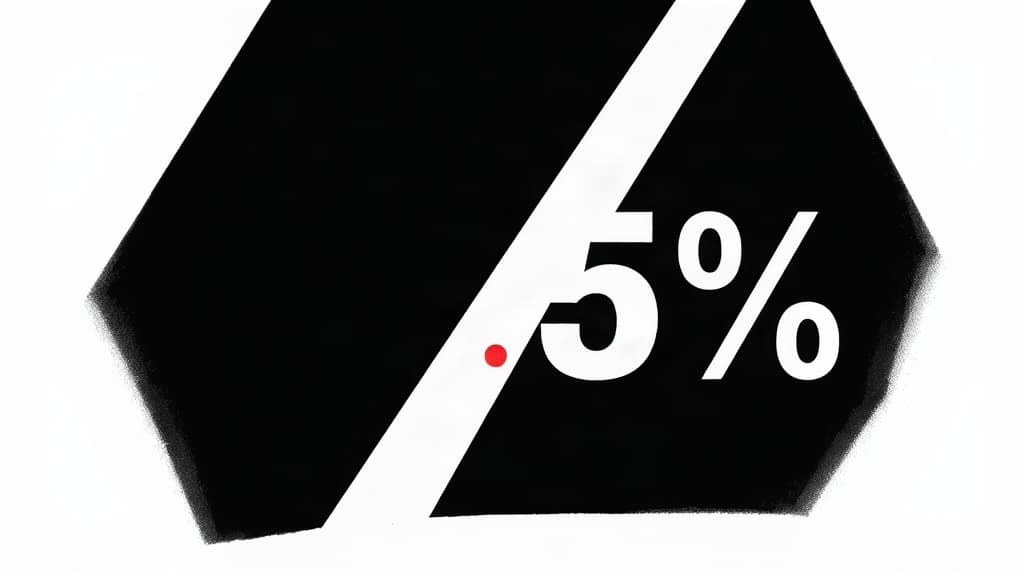
UK inflation hit 3.5% in September, an 11-month high and nearly double the Bank's 2% target. The main driver: fuel costs surging after the Iran war and the bottlenecks it created in the Strait of Hormuz. The central bank's answer is the same one it always reaches for — make borrowing more expensive for everyone, cool the economy, and hope the working class doesn't notice whose policies caused the mess in the first place.
Breitbart framed the inflation spike squarely as the product of the Iran war, noting that rates in the UK had been trending downward from a 15-year high of 5.25% until "the U.S. and Israel attacked Iran in late February." Europe Says, by contrast, referred only to "the conflict in the Middle East" — a noticeably vaguer formulation that buries who initiated the hostilities driving the price shock. Both outlets agree on the mechanism: oil and gas supply disruptions are pushing up costs at the pump and through the utility bills that hit every household.
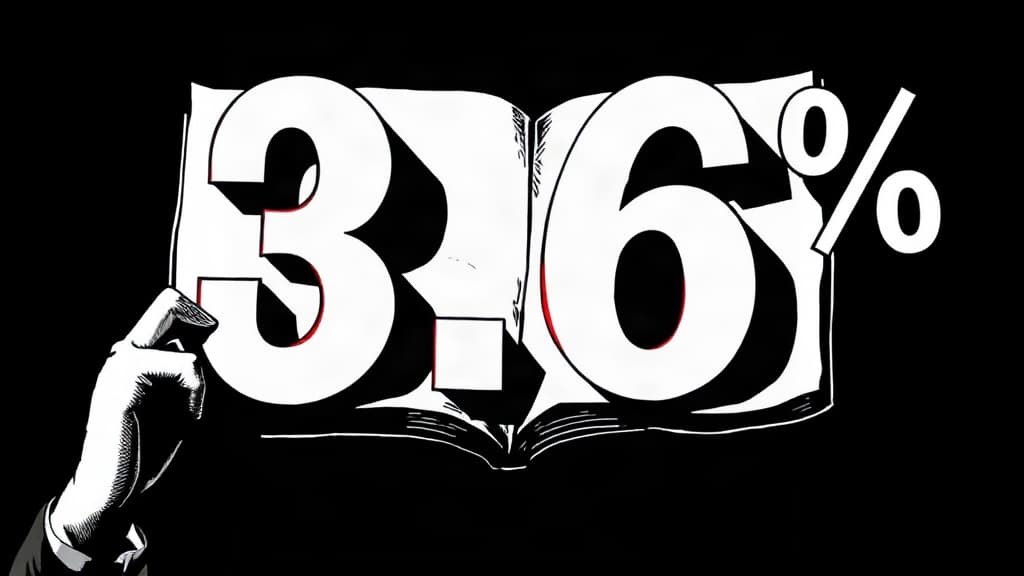
And those utility bills are about to get worse. Ofgem's energy price cap rose 3.6% for a typical household on October 1 and is forecast to jump another 22% in January, according to Europe Says. Producers, said Investec analyst Ellie Henderson, may "not be willing or able to shoulder the burden of higher energy prices for much longer" — meaning those costs get passed straight to the shelf.
Henderson added that "many committee members' patience with the recent rise in inflation has worn thin" and warned that "the longer energy prices remain elevated, the greater the risk that a temporary price shock becomes more permanent." Alexander Harvey of Oxford Economics called a November hike a "done deal."
Here is the trap: markets now expect further rate hikes into 2027. The Bank of England is not hiking its way out of a problem — it is hiking its way deeper into one. Every increase makes mortgages, auto loans, and credit card debt more expensive for ordinary people, while savers see returns that still don't keep pace with real inflation. The fiat system eats your paycheck coming and going.
The Federal Reserve is running the same playbook. The U.S. central bank raised rates last month for the first time in three years, as Europe Says noted. Both parties in Washington have spent the U.S. into an inflationary spiral, and the Fed's only lever is to make money more expensive for the Americans who can least afford it. No one at the Fed or the Bank of England is talking about how to unwind the structural conditions — endless foreign commitments, energy dependence on hostile actors, the war-driven supply shocks — that generate the inflation in the first place.
The question neither central bank will answer: what happens when rate hikes can't fix inflation driven by war and energy scarcity, and the only tool left in the box is making working people poorer?