DoorDash is buying Instacart for $17 billion, handing one San Francisco corporation dominant control over how millions of Americans get groceries delivered — and the leverage to hike fees on families who already can't afford it.
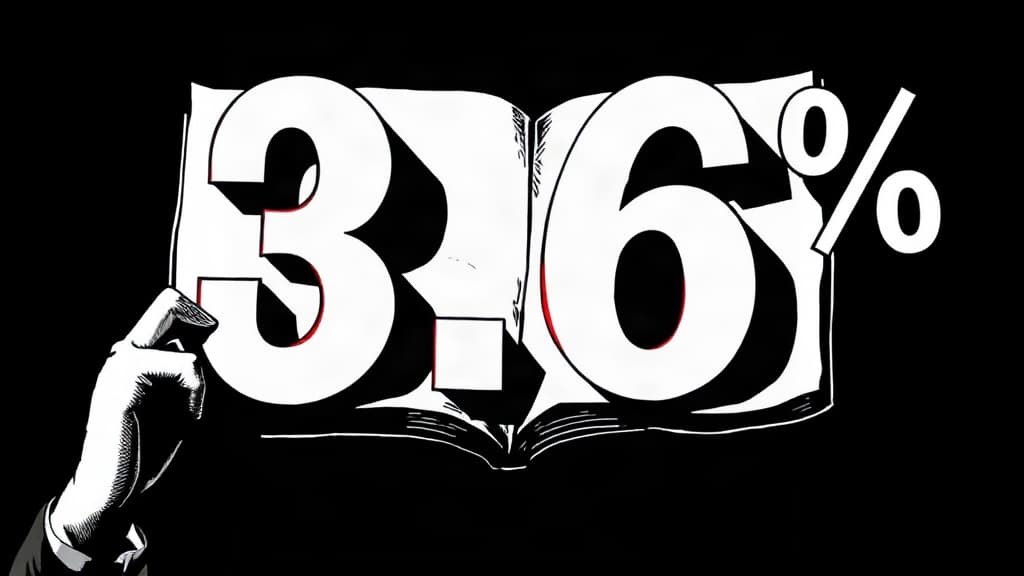
The deal, announced Thursday, folds the country's largest dedicated grocery delivery platform into a company that already commands roughly 59% of all U.S. delivery platform spending, up from 44% just five years ago, according to Consumer Edge data cited by The Guardian. Instacart's share fell from 26% to 18% in that same window. NBC News reported DoorDash controls some two-thirds of all food delivery volumes as of 2024. Either way, the math is the same: one player is eating the market.
DoorDash CEO Tony Xu framed the acquisition as a win for shoppers and stores alike. "Grocery is one of the hardest things to get right online," he said in a statement. "Together, we could give stores of every size more of those tools and unlock the potential of grocery delivery."
Instacart CEO Chris Rogers echoed the talking points, saying the merger lets the company "do even more" for retailers.
What neither executive volunteered is what this means for the people who actually pick and deliver the groceries — or the customers paying the tab.
Both platforms classify their workers as independent contractors. Instacart relies on 600,000 of them; DoorDash has 9 million. Just last month, DoorDash settled with New York City regulators for $131.5 million after the company admitted it deprived workers of tips. "Simply put, we screwed up," DoorDash said in a statement. "Our mistakes meant some Dashers were underpaid or paid late." That settlement came after the damage was done — and with one fewer competitor in the space, workers will have even less leverage to push back.
For consumers, the timing couldn't be worse. NBC News noted that Americans have been complaining loudly about delivery costs, with a viral debate over whether $20 was reasonable to have a burrito delivered. Soaring fuel costs have already triggered new fees and surcharges. Now the combined company says DashPass and Instacart+ members will pay one membership fee instead of two — which sounds like a convenience but also locks customers deeper into a single ecosystem with no rival to keep prices honest.
The consolidation trend is unmistakable. Last year DoorDash bought UK-based Deliveroo. Uber swallowed Postmates and Delivery Hero. Each deal eliminates a competitor and concentrates pricing power further.
DoorDash shares jumped more than 9% in pre-market trading on the news — Wall Street's way of saying it likes monopoly just fine. Meanwhile, Instacart's stock had gone nowhere for two years as it bled market share to Amazon, Walmart, and DoorDash itself. This deal is an exit for Instacart's investors, not a solution for its customers.
The companies say the Instacart brand and app will survive, and grocers can "choose" to work with either platform. But when one corporation owns both choices, that's not competition — it's a menu with one kitchen. The unanswered question is whether regulators will treat this as the monopoly play it is, or let another slice of the American economy get served up to Silicon Valley.