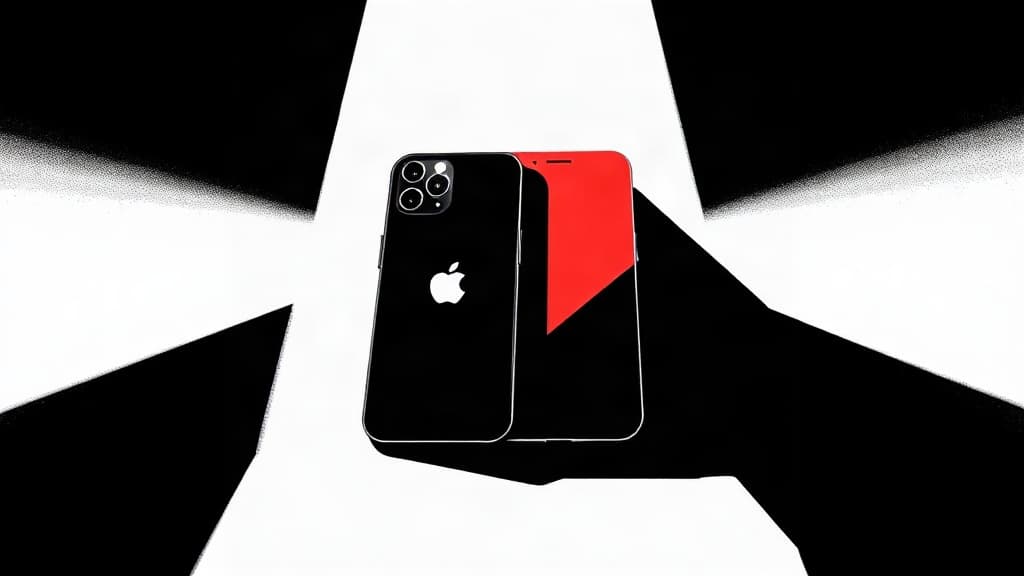
Nearly one in three iPhone Duo buyers returned the device within Apple's 14-day no-questions-asked window — and the only institution less concerned than Apple is Washington. A 9to5Mac poll of roughly 6,000 early adopters found that 30% sent the phone back for a refund. For any company without a trillion-dollar moat, that would be a five-alarm fire. For Apple, it's just the cost of doing business as a monopoly.
9to5Mac framed the return rate as unsurprising — even understandable. The outlet noted that Apple called the Duo "the most transformational change to iPhone since the original," then argued that the weight, the changed aspect ratio, the new interface, and the "extremely high price tag" made a high return rate predictable. Their headline literally says Apple "shouldn't worry."
But read what the buyers actually said. The complaints aren't about adjusting to change. They're about a product that doesn't work right. "I can't go back to Touch ID." "The outside screen is way too small." "I do not want to open the phone every time I want a larger screen." One user reported sand getting into the hinge while camping in Morocco — the phone wouldn't fully open or close without forcing it. These are design failures, not learning curves.
9to5Mac buried the lede: despite a return rate that would crater any competitor's stock, Apple still can't ship the thing fast enough. Random checks show delivery times pushing into late January. That's not a sign of a healthy market. That's a sign of a market with no alternative. When your product fails a third of your customers and you still have months-long backorders, you aren't winning on merit. You're winning because you locked in the ecosystem and locked out the competition.
The Verge first reported on the wave of returns, prompting 9to5Mac to run its own poll. Neither outlet pressed on the antitrust implications. Neither asked why a company commanding this kind of captive market can ship a flawed, overpriced device and face zero consequences.
Where is Washington? The same place it always is — collecting donations and looking the other way. Apple spends millions lobbying Congress and the executive branch every year. The bipartisan consensus in D.C. is that Big Tech is too big to challenge, and too generous to the people who would challenge it. Republicans talk a big game on antitrust when it suits the news cycle. Democrats posture about corporate accountability while cashing the same checks. Neither party will lift a finger while Apple extracts premium rents from a customer base that has nowhere else to go.
A 30% return rate on a flagship device isn't a quirky footnote. It's what monopoly looks like when a company stops innovating and starts extracting. Apple doesn't have to build a better phone. It just has to make sure you can't leave.