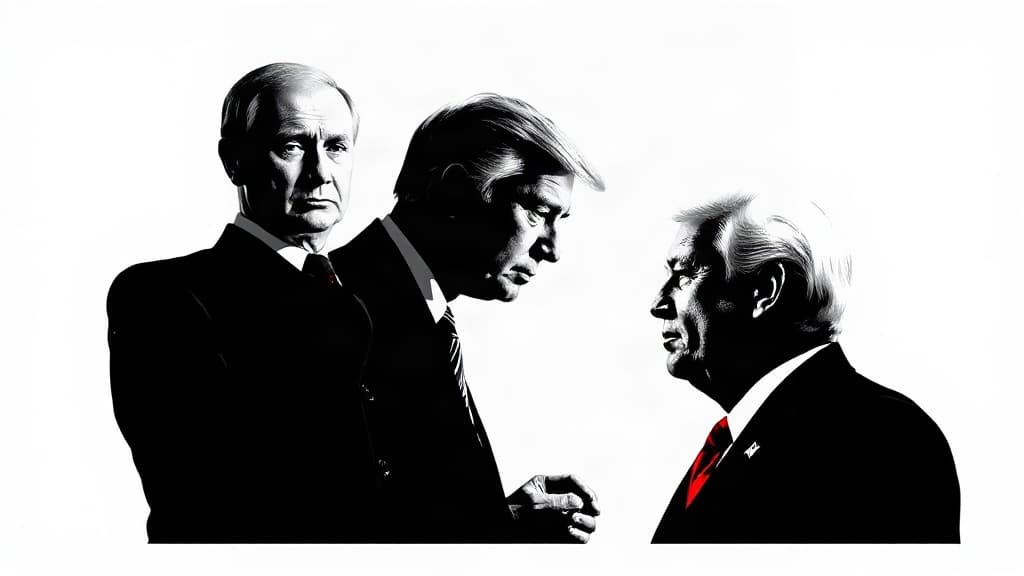
Treasury Secretary Scott Bessent is quietly intervening in bond markets while telling CNBC there's "nothing magic about that $40tn number" — and the gap between his calm words and his panicked actions should alarm every working American who remembers 2008.
When the man who controls the federal purse starts doubling long-bond purchases to force yields down and creates backdoor lending facilities so foreign governments don't dump U.S. debt, the credit crisis isn't coming. It's already here in slow motion. Last time Washington scrambled like this, Wall Street got bailed out and Main Street got the tab.
The Guardian framed the story as Trump driving the U.S. toward a debt crisis, and there's no denying the debt has continued surging in his second term. But the real story is bipartisan. Debt exploded after the 2008 financial crisis, surged again during Covid, and kept climbing regardless of which party controls the White House or Congress. Tax cuts weren't matched by spending cuts. Elon Musk's short-lived Department of Government Efficiency failed to deliver the savings that were promised. Tariff revenue hasn't closed the gap. Both parties agreed to spend, and the public got sold out.
The signals of distress are stacking up. Yields on 30-year government bonds have hit levels not seen since before the 2008 crisis, according to The Guardian. Bessent's response — promising to double the rate at which the Treasury buys up the longest-dated bonds to massage yields downward — is the clearest sign yet that Washington is spooked.
Then there's the Japan situation. The Treasury intervened to prop up the yen earlier this month, selling euros rather than dollars — widely read as a sign of weakness. Japan holds massive amounts of U.S. treasuries, and the intervention looked like the Trump administration feared Tokyo might dump a chunk of them to buy yen, pushing yields even higher. The subsequent move to let Japan use the little-known FIMA Repo Facility — effectively borrowing against its treasury holdings without having to sell them — was read as another signal of alarm. As economist Barry Eichengreen put it in the Financial Times: "Washington, fearing the consequences for US financial markets, is reluctant to see foreign central banks use their dollar reserves. This is telling us that the dollar is not the attractive reserve currency it once was."
The sell-off has multiple drivers. Inflation fears are back, with the Iran conflict keeping oil prices elevated and concerns that new Fed chair Kevin Warsh will raise rates. Meanwhile, the AI investment boom is crowding out public debt — JP Morgan analysis puts debt issuance by "hyperscaler" AI companies at $219bn so far this year alone, offering investors an alternative to treasuries.
And Bessent himself is no stranger to currency crises. As The Guardian noted, he cut his teeth in 1992 shorting the British pound alongside George Soros during the chaos of Black Wednesday. Now he's on the other side — the policymaker trying to hold the line against the markets. History suggests the markets usually win.
The question isn't whether the debt is unsustainable at $40 trillion and climbing. It is. The question is who pays when the math finally breaks — and based on every precedent available, it won't be the people who created the problem.