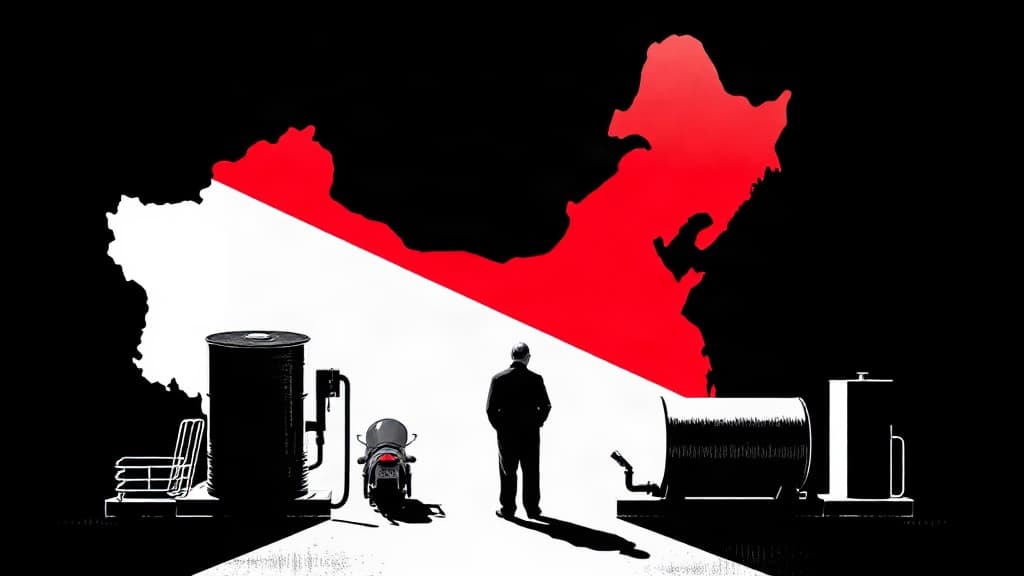
China just gave American families a masterclass in dependency: Beijing offered tariff cuts on Christmas gifts with one hand and shut off fuel exports with the other — and Washington celebrated the first move while scrambling to explain the second.
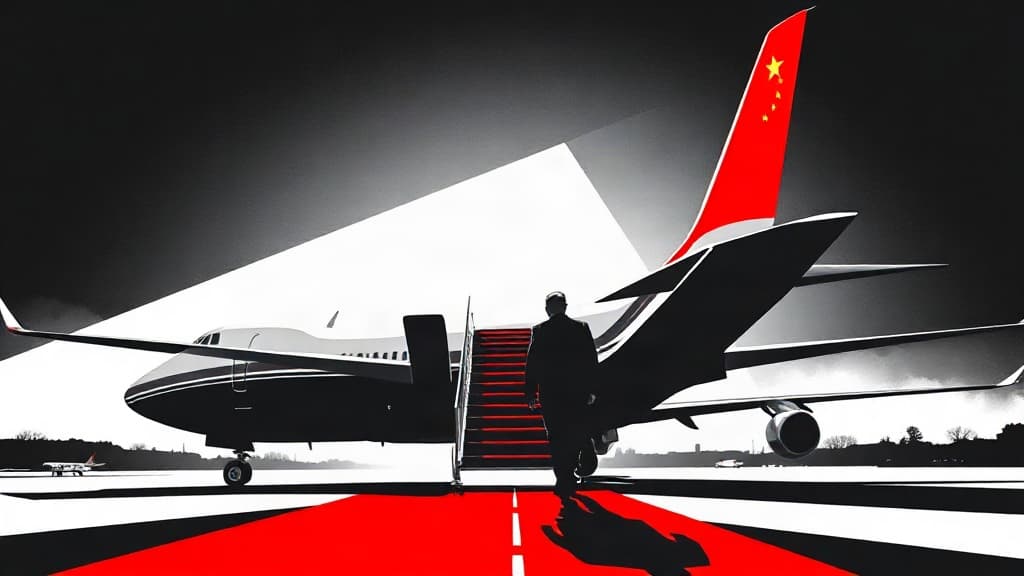
During Chinese President Xi Jinping's state visit to Washington, both countries announced "30-for-30" tariff exemption lists covering $60 billion in goods — roughly 14.5 percent of two-way trade, according to Newsweek. The U.S. dropped barriers on 77 categories of Chinese-made imports, including toys, appliances, baby goods, kitchenware, and Christmas presents. China reciprocated by lowering duties on 1,619 American products, from beef and pork to infant formula and coal. The White House framed it as a win for farmers and families heading into the midterms.
But a week after Trump pressed Xi to "increase production of refined petroleum products to stabilize global supply," as stated in a September 25 White House fact sheet, China did the opposite. State-owned PetroChina canceled gasoline and jet fuel shipments for October, and the country suspended fuel exports entirely, the Daily Caller reported. Diesel already averaged $6.39 a gallon nationwide — up from $3.71 a year earlier, according to AAA.
The juxtaposition lays bare the bipartisan failure decades in the making. Republican and Democratic administrations alike offshored American manufacturing and left the nation's supply chains in Beijing's hands. Now the Christmas tree lights, the kitchenware, the children's toys — they all come from Chinese assembly lines, and U.S. retailers "struggle to source from anywhere else," as Newsweek noted. "Most shoppers never look at where something was made. They look at the price and whether it does the job," said Joel Goldstein, whose Mr. Checkout Distributors supplies tens of thousands of stores nationwide.
On energy, the leverage runs the same direction. China's refiners loaded roughly 1.4 million metric tons of diesel and at least two million metric tons of jet fuel for export in September, according to trade estimates cited by Reuters. Then Beijing pulled the plug — because domestic inventories sat about 20 million barrels below prewar levels, per commodity data firm Kpler. "International markets are an afterthought," said Michal Meidan, head of China energy research at the Oxford Institute for Energy Studies.
Max Meizlish, a research fellow at the Foundation for Defense of Democracies, told the Daily Caller that China has restricted fuel exports before, only to roll back controls when it suits Beijing. "China may temporarily restrict fuel, as it did earlier in the war, but then it will relieve those controls to save itself," Meizlish said. "The world will then see the country as a savior despite the fact that it's actually China saving itself."
Energy Secretary Chris Wright confirmed from the Oval Office that "we've lost diesel exports from China." Trump said he discusses a domestic diesel export ban daily — one that could lower diesel costs but raise gasoline prices. Neither option addresses the root problem: an industrial base that cannot supply its own families or fuel its own economy without Beijing's cooperation.
The tariff deal gives American shoppers a modest break at the register this December. The fuel suspension reminds them who holds the leash. The question neither party wants to answer is how many more holiday seasons will be subject to Beijing's goodwill before this country builds what it needs at home.