The New York Times used Father's Day to publish a cartoon essay about a transgender "dad" whose own daughter tells strangers her father "was a girl" — a deliberate swipe at a holiday millions of Americans spend honoring the men who sacrificed for their families.
The piece, titled "To My Daughter, My Gender Was Never Complicated," ran in the Times' opinion section and was presented as a parenting reflection. But the content makes the agenda clear: fatherhood, in the Times' framing, no longer requires being male — and children are expected to carry the message.
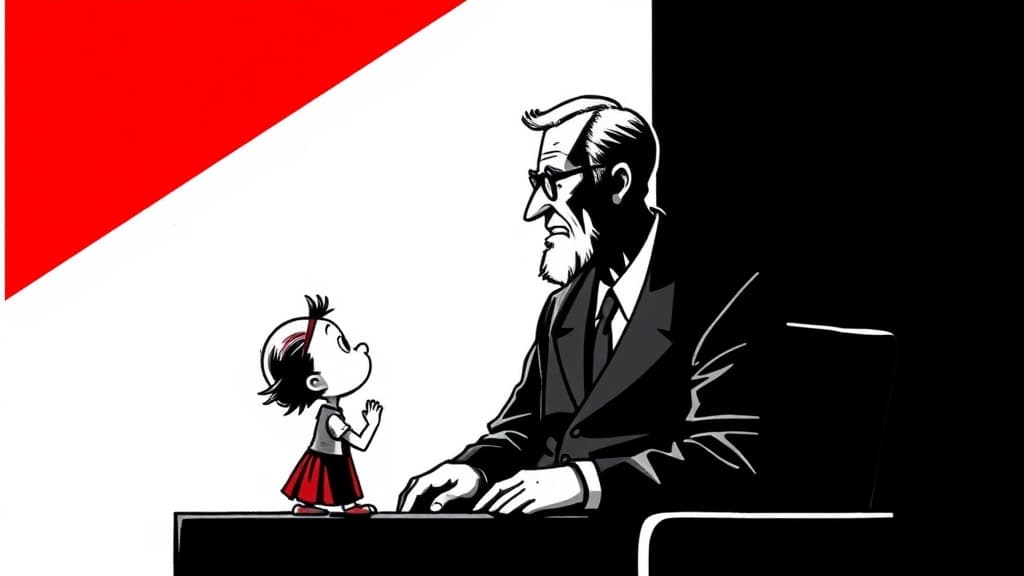
The narrator states, "I've been living as a trans man since I was 18 years old," and adds, "But when my wife and I had Elliot, I had to learn how to be a trans dad." The child in the comic asks the questions any reasonable kid would: "How did you grow a mustache if you were a lady?" In another panel, the daughter tells a playmate, "My dad did, and he was a girl." She also informs a bakery worker about her parent's former identity and discusses the parent's surgery at school, according to The Gateway Pundit's review of the cartoon.
The essay frames the daughter's bluntness as part of a "touching journey of acceptance." But what's actually on display is a child being enlisted to process and publicly defend an adult's gender identity. The parent says in one panel, "I had to trust her with the most vulnerable version of myself." In a healthy culture, adults protect children's innocence. In the progressive worldview celebrated by the Times, children protect adults' emotional identities.
The timing is the tell. The Times didn't publish this piece on a random Tuesday. It chose Father's Day — one of the least controversial holidays in American life, a day about honoring fathers and grandfathers and the sacrifices they make — to repurpose the occasion into a lecture on gender theory.
Contrast this with the Father's Day coverage other outlets ran. The Portland Press Herald published a traditional essay by Reza Jalali, a former refugee from Iran, remembering his Sufi father — a man who "wept reading poetry," taught him to protect grapes from sparrows, and "died the same way he lived: unassuming and simply." Over at HotAir, Larry Elder reflected on his father's taste in Cab Calloway and Frank Sinatra and the quiet ways parents leave marks on their children's lives — "sometimes the thing we barely remember becomes something another person never forgets."
No ideology. No agenda. Just gratitude for fathers.
The most revealing detail in the Times cartoon is that the child isn't confused by reality — she understands it perfectly. She knows her dad "was a girl." It's the adults at the Times who pretend the obvious is mysterious, and who demand the rest of the country play along.
The question isn't whether this family has a right to live as it chooses. The question is why the nation's most influential newspaper decided Father's Day was the right moment to tell ordinary Americans that fatherhood itself is a social construct — and why they expect your children to agree.