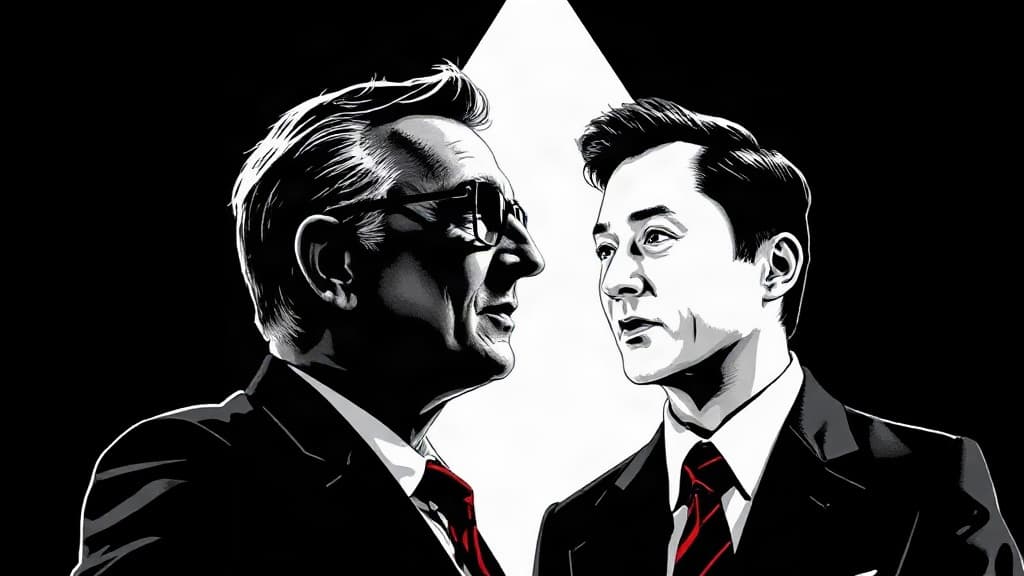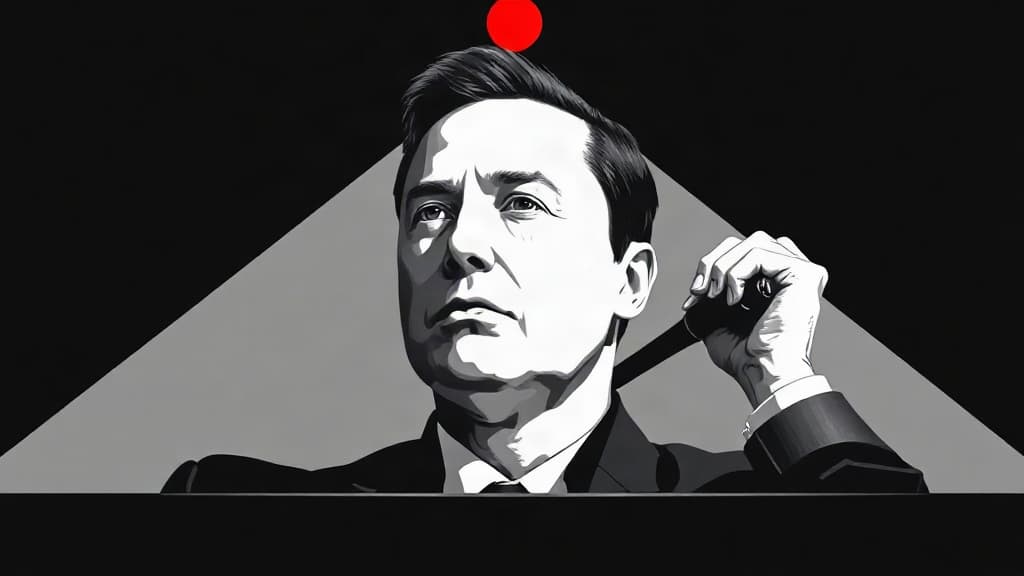
A federal judge refused to block Minnesota's ban on AI-generated fake nude images, rejecting Elon Musk's SpaceXAI attempt to kill the law before it could shield a single citizen from digital sexual exploitation.
A state legislature voted nearly unanimously to stop AI tools from stripping real people's clothes in photorealistic fake images — and a tech corporation waited three months, then sued three days before the law took effect, claiming the First Amendment protects the tools that make it possible. U.S. District Judge Donovan Frank wasn't buying it. For the second time, he denied SpaceXAI's request to block enforcement, ruling the state's interest in protecting people from nonconsensual pornography and child sexual abuse material "weighs heavily" over the company's business concerns.
The Minnesota law, which took effect Aug. 1, bans website operators and software developers from creating AI-generated nude images of identifiable people. It allows civil lawsuits with damages of at least $500,000 per violation and bans advertising nudification products.
SpaceXAI — formerly xAI, now a subsidiary of SpaceX as of February — filed its lawsuit on July 29, nearly three months after the law was signed and just three days before it took effect. Judge Frank noted the timing, writing that any harm to SpaceXAI's business can be addressed in later court orders if the company ultimately proves the law violates the First Amendment.
The company argues the law "imposes an overbroad, content-based ban on free speech and the tools of visual expression in a clumsy attempt to prohibit 'nudification.'" It claims it already prohibits users from generating sexualized images without consent and has sued users who evade its blockers. But Judge Frank pointed out that SpaceXAI is itself facing a "spate of lawsuits" related to Grok's creation of sexualized images — suggesting the self-policing isn't working.
SpaceXAI operates the social media platform X and the AI tool Grok. The company argued increased content moderation could cost it revenue and users, citing the steep fines.
Here's the wrinkle: the Justice Department filed a statement of interest adopting SpaceXAI's arguments, citing a Trump executive order that seeks to restrict state AI regulations. POLITICO reported the DOJ intervention; FOX 9 omitted it entirely. The federal government, under a Republican president, is lining up with a tech corporation against a state law passed by the people's representatives — a tension that cuts against the usual partisan script.
The judge was unmoved. "The State has enacted, democratically and nearly unanimously, a civil statute aimed at protecting the public from the undisputed harm stemming from AI-nudification technology," Frank wrote. "When comparing the interests of the State with any potential harm to xAI, the Court finds without hesitation that the balance of the equities weighs heavily in favor of the State."
The constitutional challenge proceeds. The law stands for now. But the open question remains: does a corporation's right to deploy AI tools trump a state's right to protect its citizens from having their dignity weaponized against them?