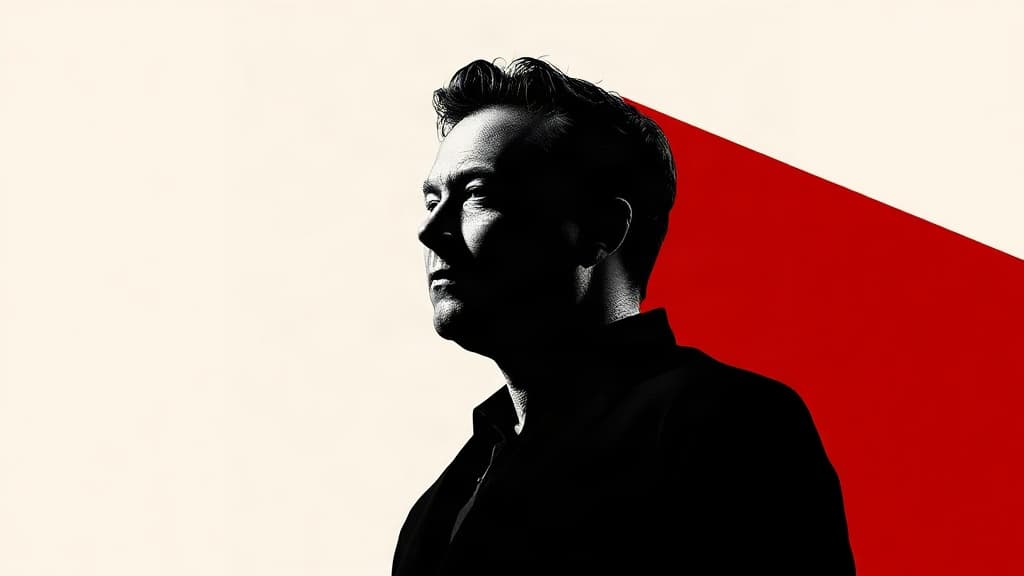
Establishment documentarian Alex Gibney's nearly four-hour takedown of Elon Musk is drawing glowing press coverage from the same institutions that spent years burying evidence of their own collusion with powerful interests to silence ordinary Americans.
The documentary, simply titled "Musk," premiered this week in Los Angeles and New York, and the reception from legacy media tells you everything about who considers Musk a threat. The New Yorker ran a piece praising the film for "expunging" the narrative that Musk ever cared about anything worthwhile, calling it "mesmerizing" and "chilling." NBC News highlighted the "damning voices" of Musk's own lieutenants. What neither outlet grapples with is why the press corps is so eager to celebrate a film attacking the man who broke Big Tech's censorship monopoly when he bought Twitter.
Gibney frames the project as a mystery: "How could Musk assume so much power, and why had we given it to him?" he says in the film. It is a curious question from a filmmaker who has built a career taking aim at anyone who challenges institutional authority. The New Yorker's own Ronan Farrow and Lawrence Wright are listed as producers — a detail the magazine discloses but does not seem to find awkward, despite giving the film a rave review.
The "damning" material NBC highlights turns out to be largely recycled. Ashok Elluswamy, a high-ranking Tesla engineer, acknowledged in a videotaped deposition that a 2016 self-driving hype video overstated the technology's capabilities — a deposition Reuters reported on in 2023. Jared Birchall, who handles Musk's personal matters, was recorded hardballing influencer Ashley St. Clair on child support — audio The Wall Street Journal reported last year. The footage and audio may be newly public, but the substance is old news.
The New Yorker, meanwhile, frames Musk's purchase of Twitter as part of a descent into becoming a "hateful menace" and a "poster boy for global fascism," citing his "radicalization" over the COVID-19 response. That a man who questioned lockdowns and mandates — policies that devastated working Americans while the laptop class stayed home — is cast as the villain tells you who Gibney's audience really is.
Musk declined to participate and has dismissed the film as a "hit piece," saying Gibney has "zero integrity." Musk, Tesla, SpaceX, Elluswamy, and Birchall all declined to comment to NBC.
At a Mill Valley Film Festival screening, producer Jessie Deeter called it a "svelte" four-hour film — still roughly the runtime of "Lawrence of Arabia." The biggest applause, according to NBC, came when a former federal employee explained why they quit rather than cooperate with Musk's Department of Government Efficiency.
What is missing from both outlets' coverage is any mention of the Twitter Files — the internal documents Musk released after his purchase that exposed the federal government's pressure campaigns to censor lawful speech on social media. The same press now celebrating Gibney's film treated those revelations as a nonstory, or dismissed them as nothingburger.
The question isn't whether Musk has flaws. The question is why the institutions that spent years suppressing dissent want you focused on a billionaire's personal failings rather than on the machinery of censorship he helped expose.