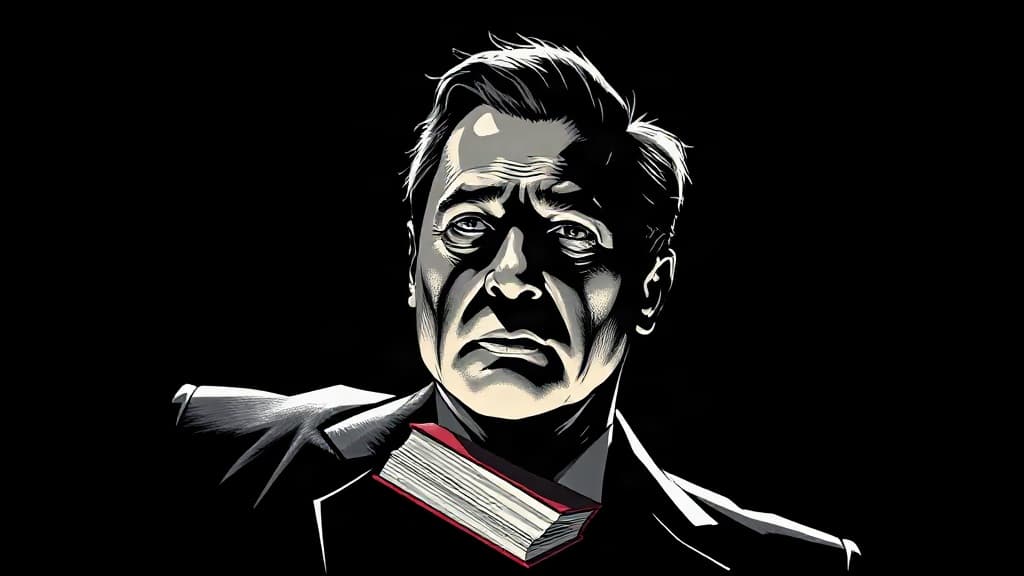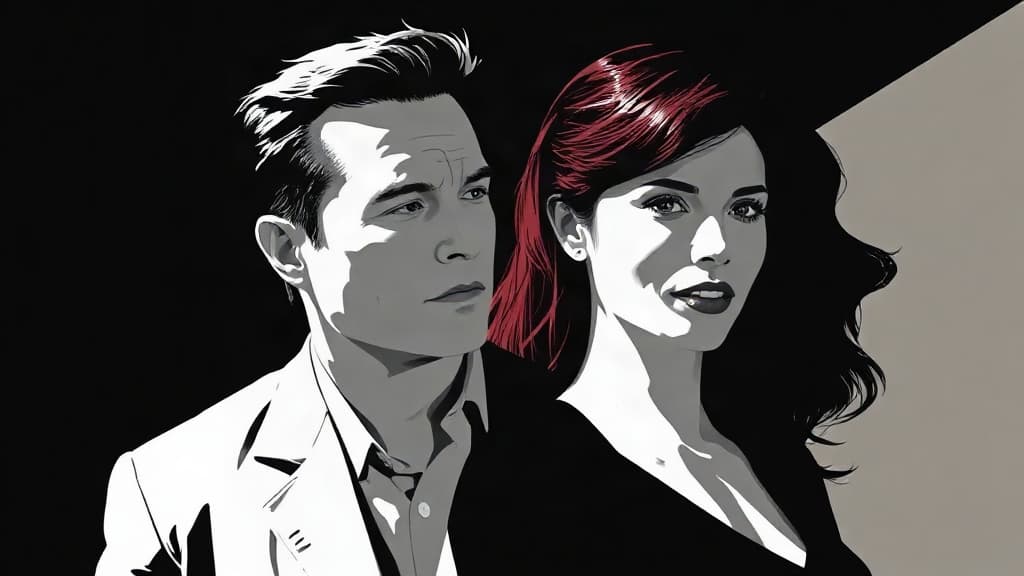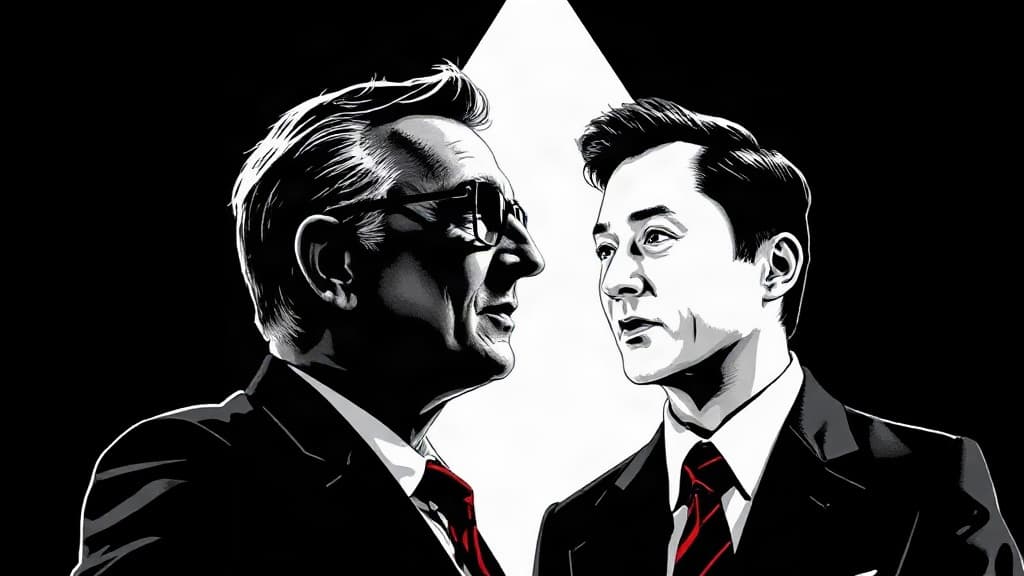
David Byrne, 74, has released a song built entirely from Elon Musk's own quotes — the latest stunt from aging cultural gatekeepers desperate to reclaim a narrative they've already lost.
The track, "Let Me Sell You a Dream," was written for filmmaker Alex Gibney's nearly four-hour documentary Musk, which hits theaters October 16. Byrne and composer Daniel Pemberton assembled Musk's verbatim statements into sardonic lyrics set to a punk score. It's a technique Byrne previously used on a project about Philippine First Lady Imelda Marcos — equating a tech CEO who opened a speech platform with a dictator's wife tells you everything about where these people are coming from.
The framing across outlets is instructive. Pitchfork called them "weird Elon Musk quotes." Rolling Stone opted for "abstract lyricism." The Daily Beast dropped the pretense entirely, headlining that Byrne "humiliates" Musk and describing the documentary as investigating his "descent into MAGA's conspiratorial realm." The Beast's editorializing is the honest one — this isn't art, it's a political weapon.
Byrne claims restraint. "It would be too easy and probably not as much fun to overtly criticize Musk," he said. "Better, I thought, to try and get inside his head a little bit, to use phrases he himself has used." But Pemberton was more candid: "We find ourselves in a messy, complicated moment in history where the richest and most powerful use unrealistic promises, dreams and deflection to consolidate their wealth and control rather than to work towards a genuine better future for anyone else."
The documentary itself stumbled into its own irony. Distributor Bleecker Street found that YouTube, Facebook, Instagram, X, and TikTok all refused to run the film's trailer as paid advertising, flagging it as "political" content. After the ban drew press coverage, every platform reversed course and called it "an error." Even Musk's own X briefly blocked an ad for a film attacking him.
Musk declined to be interviewed for the documentary, called it a "hit piece," and threatened legal action. When Seth Meyers asked Byrne whether Musk might try to claim songwriting credit, Byrne replied: "If he does that rather than sic his lawyers on me, I'll take it. That's a perfectly good outcome."
The song is now being positioned for an Oscar run — Best Original Song — the same Hollywood establishment pipeline that has long rewarded approved messaging. The old guard keeps making art about the man who broke their monopoly on who gets heard. The open question is whether anyone outside their audience is still listening.