FIFA President Gianni Infantino wants you to stop asking questions about his multi-billion-dollar World Cup operation — and he's deploying the establishment's favorite weapon to make it stop: calling critics hatemongers.
In an open letter published Monday on Instagram, Infantino accused World Cup critics of being "consumed by hate" and "spreading hate and false rumours," framing legitimate scrutiny of FIFA's management as bigotry rather than accountability. "To those behind their pens and papers, behind their screens spreading hate and false rumours, I want to say that while you are sitting behind, we at FIFA are on the front lines organising, working hard, and delivering the best show in the world," he wrote.
This is the same rhetorical trick every unaccountable global institution uses: conflate criticism with hatred, and suddenly nobody's allowed to ask where the money went or who pulled the strings.
And there's plenty to ask about. The 2026 World Cup, staged across the United States, Canada, and Mexico, generated real controversies that affect real people — including American citizens who should expect their immigration laws aren't being bent at the whim of foreign sports bureaucrats.
Somali referee Omar Artan was barred from entering the United States after being denied a visa. Fans and officials from Iran, Haiti, Senegal, and Ivory Coast faced travel restrictions. Iran's team was forced to relocate its training camp from Tucson, Arizona, to Tijuana, Mexico, due to Middle East conflict complications, according to Al Jazeera. Infantino's response? Brush it off. "You mentioned the few people denied visas and overlooked the millions who were approved," he wrote, as reported by ESPN.
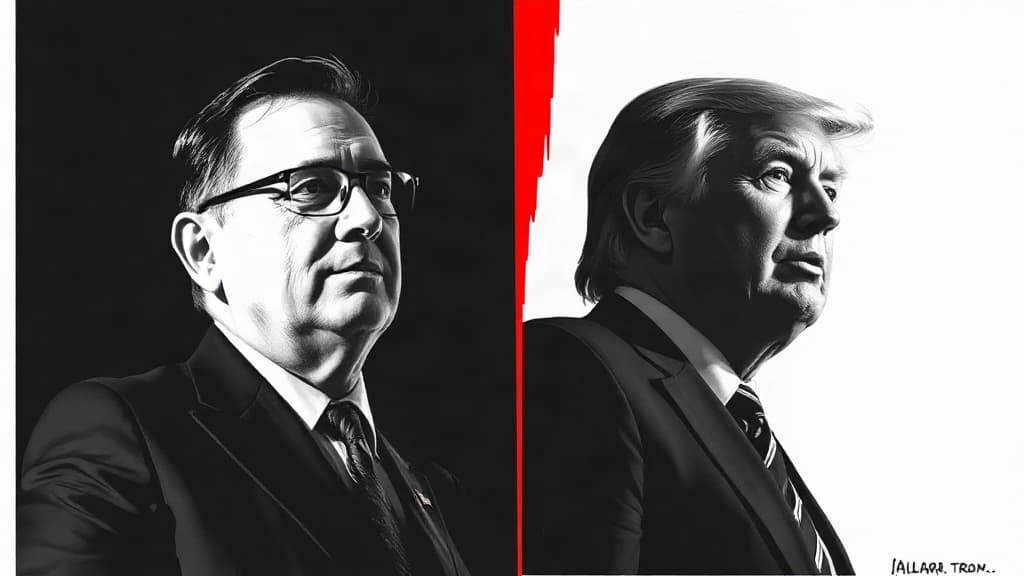
Then there's the matter of presidential interference in FIFA disciplinary proceedings. U.S. striker Folarin Balogun received a red card against Bosnia and Herzegovina, which carried an automatic one-match ban — until President Trump personally spoke with Infantino about the case. FIFA then suspended the ban, allowing Balogun to face Belgium. UEFA, the Belgian Football Association, and European lawmakers all cried political interference. ESPN reported that the Norway FA chief plans to file a formal complaint, demanding Infantino admit the Balogun ruling was an "error." The IOC has already said it will not investigate Infantino over the Trump interference allegations.
Infantino's defense of that decision was telling. Without addressing the Trump call directly, he argued that "potentially mistaken red or yellow cards or subsequent decisions not to ban players in certain situations are routine and widely accepted in some of the biggest leagues worldwide," according to Al Jazeera. "It's curious that the same countries employing these practices are the ones criticising."
So now questioning whether a foreign sports body cut a backroom deal with an American president is just... hate.
ESPN also noted FIFA faced investigations into World Cup ticket pricing — a pocketbook issue for ordinary fans — while Al Jazeera reported FIFA is still investigating the on-pitch altercation between Argentina and Spain players after the final in New Jersey. Infantino claimed the tournament experienced "no violence, no incidents, 100% safety and security, only joy and happiness." That's either selective memory or a flat lie; FIFA itself opened a disciplinary probe into the post-final incident.
Infantino told critics they should "reflect, meditate, pray, or watch a football match." Translation: sit down, shut up, and consume the product.
The man clocked over 65,000 miles touring the tournament, per ESPN, while fans from conflict zones scrambled for visas and referees were turned away at borders. But the real problem, he insists, is the people writing about it.
When the head of a global monopoly worth billions tells you that asking questions is hate, the question isn't whether you'll comply — it's what he's trying to hide.