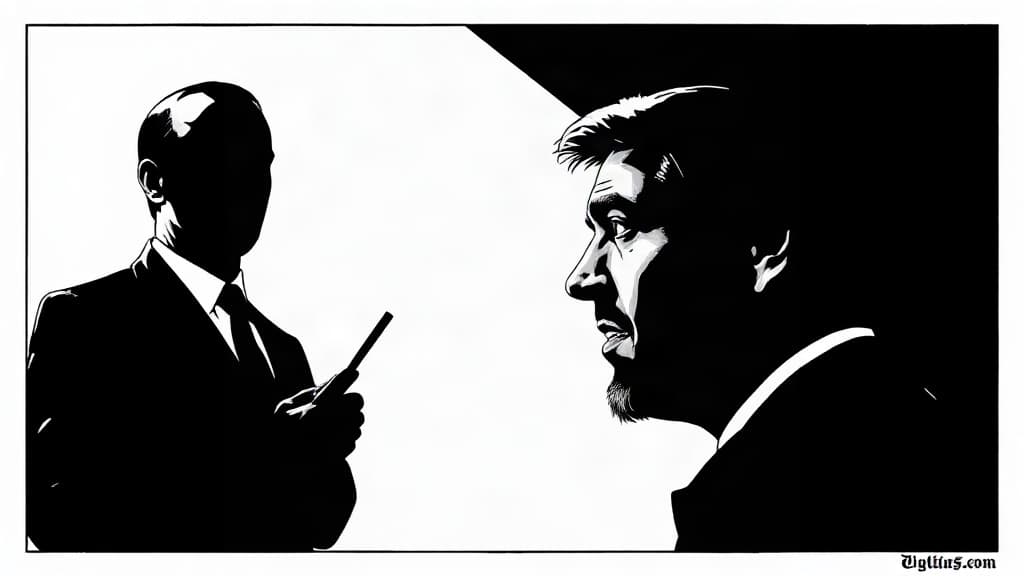
A pro-Israel lobbying group has poured thirty million dollars into Michigan's Democratic Senate primary to anoint an establishment loyalist over a populist challenger who calls his own party's brand "bullshit" — and the fight reveals a Democratic coalition cracking at the seams.
Abdul El-Sayed, a former public-health official and son of Egyptian immigrants, is running against Rep. Haley Stevens for the Democratic nomination to replace retiring Senator Gary Peters. Stevens has the backing of Chuck Schumer, Gretchen Whitmer, and roughly sixty-one million dollars in outside spending. El-Sayed has Bernie Sanders, Elizabeth Warren, and roughly fifteen million. The race isn't just about Michigan. It's about whether a party that claims to represent working people can survive when its establishment drowns out those voters with lobbyist cash.
El-Sayed doesn't talk like a man afraid of his own party. He told The New Yorker the Democratic Party's brand is "bullshit." He wants to ban ICE, withhold arms funding for Israel, push Medicare for All, and "get money out of politics." He denounces the October 7th massacre — a contrast with some left candidates who attended pro-Hamas rallies — but calls Israel's war in Gaza a genocide.
That's where the race turned ugly. After El-Sayed accused AIPAC of picking "the least capable candidate in America" and said Schumer was "doubling down" by backing Stevens, Stevens fired back on X: "Everyone in America understands you want to blame all of your problems on Jewish Americans."
It's a familiar play: criticize a lobbying organization's spending, get accused of antisemitism. AIPAC is not "Jewish Americans." It's a political action committee that spends tens of millions to influence elections. Conflating the two is either dishonest or lazy. Stevens knows the difference — but it's easier than defending thirty million dollars in lobbyist money.
The money trail tells the story. According to AdImpact figures cited by CBS, Stevens' campaign and six super PACs have spent more than sixty-one million dollars on primary ads. The New York Times reported that United Democracy Project, AIPAC's main super PAC, dropped $30.6 million on Stevens alone. Six other super PACs that have not disclosed their donors kicked in another $29.4 million on her behalf. El-Sayed's side has spent roughly $15.3 million combined. That's a four-to-one spending gap — and Stevens still trails El-Sayed in primary polls, according to The New Yorker.
Stevens reminded El-Sayed on X that she won her 2018 House race while he lost his gubernatorial primary to Whitmer by over twenty points. She warned he'd lose to Republican Mike Rogers by "talking like this." She has a point on the general election: The New Yorker reports El-Sayed trails Rogers by ten points, while Stevens runs even.
But El-Sayed's pitch is that the Democratic establishment has forgotten who it claims to fight for. He told donors, according to Politico, that if you "put one ogre on a pike" — referring to Senator John Fetterman — "everyone else gets the message, and all of a sudden starts to sound a lot different." It's ugly talk. It's also how a lot of working Americans feel about a political class that takes their votes and delivers for donors.
The New Yorker framed El-Sayed as a complex figure — a capitalist influenced by both Sanders and Obama, an Oxford man with populist instincts. Breitbart framed him as "far-left." The truth is simpler: he's the candidate who isn't bought, running against the candidate who is. Whether that's enough to beat thirty million dollars — or a Republican in November — is the open question.