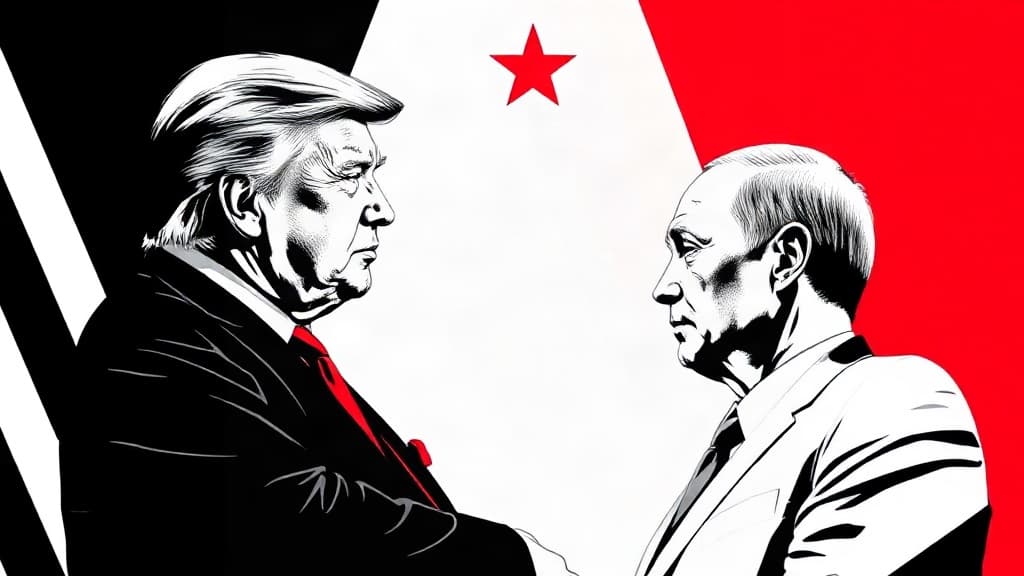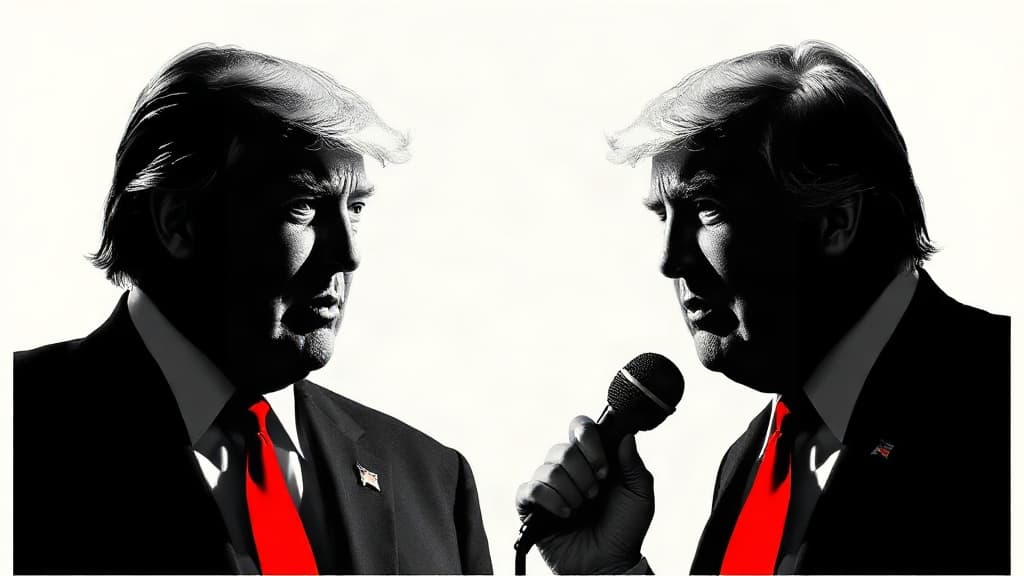
President Donald Trump is waging a two-front legal war to wipe out the hush money conviction that a Manhattan DA manufactured specifically to tag him — and the courts that spent years enabling the prosecution are now dragging their feet on letting him off the hook.
The stakes are straightforward: if a prosecutor can campaign on targeting a specific citizen, win office, and then deliver that conviction, no American is safe from weaponized justice. Trump's case is the headline, but the principle is the same one the founders argued about in taverns — can the state turn its prosecutorial power into a political weapon?
A three-judge panel of the 2nd U.S. Circuit Court of Appeals heard more than an hour of arguments Monday on whether to pull the case into federal court, where Trump could seek dismissal on presidential immunity grounds, according to the Reading Eagle. Trump's lawyer, Robert Giuffra Jr., pressed the panel to act fast — even before issuing a written decision — and halt the state appellate court's ongoing deliberations.
Without federal intervention, Giuffra warned, Trump "will likely have to wait years" for state courts to rule before he can reach the U.S. Supreme Court.
The judges weren't eager. Judge John M. Walker Jr. — appointed by his cousin, President George H.W. Bush — and Chief Judge Raymond J. Lohier Jr., an Obama appointee, questioned whether Congress ever authorized the procedural maneuver Trump is demanding. "You're asking us to embrace an entire procedural mechanism that I don't see anywhere authorized by Congress," Lohier said, as the Reading Eagle reported. Giuffra countered that the law's provision for post-verdict transfer is "a safety valve that's intended to protect against exactly the gamesmanship that's gone on here."
This is Trump's fourth attempt at a federal transfer. Judge Alvin K. Hellerstein, who died last month at 92, rejected the bid three times — ruling that paying hush money to an adult film star isn't an official presidential act. That reasoning conveniently ignored that the case was brought by a prosecutor who told voters he'd go after Trump.
Simultaneously, Trump is pursuing a traditional appeal through New York's state court system. The mid-level Appellate Division heard arguments on Nov. 5 but hasn't ruled.
Trump was convicted on 34 felony counts of falsifying business records tied to a $130,000 payment to Stormy Daniels. He denies wrongdoing and received no punishment — yet carries the distinction of being the first U.S. president convicted of a crime, a label that went to trial while he was campaigning for his return to the White House.
Notably absent from this story: The New York Times, which spent Monday covering Pentagon media access restrictions instead. The paper of record couldn't be bothered with a president fighting to overturn a conviction born from a prosecutor's campaign promise. That framing choice tells you everything about institutional media priorities.
The open question isn't whether the conviction was political — the DA bragged about targeting Trump before he even took office. The question is whether any court has the nerve to say so out loud.