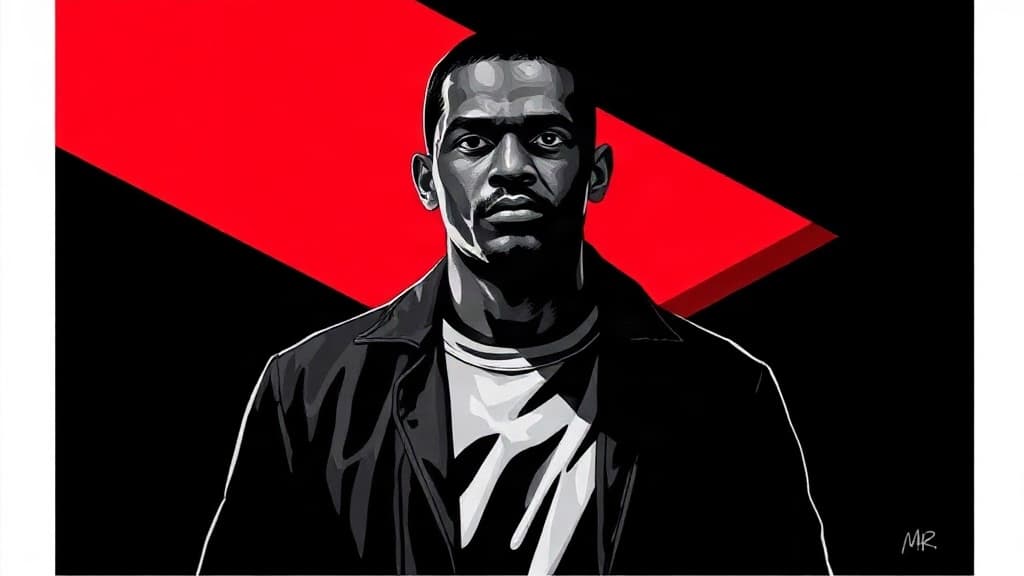
A convicted killer is asking a Texas judge to throw out his 35-year sentence because evidence was withheld from jurors — evidence both sides, including his own attorneys, agreed to keep out. Karmelo Anthony, 19, was found guilty in June of stabbing 17-year-old Austin Metcalf during a confrontation in the bleachers at a high school track meet near Dallas. Now his new legal team wants a docket, arguing the deal to suppress evidence denied him a fair trial. For ordinary Americans, the question is straightforward: can defense lawyers engineer a quiet agreement during trial, then cry procedural error after they lose?
The so-called off-the-record agreement is the centerpiece of the retrial motion. Both the prosecution and Anthony's original defense team agreed to hold back details that could inflame racial tensions in a case already swamped with death threats and online hysteria. What jurors never heard: Anthony once sent a text message fantasizing about stabbing someone, had an obsession with guns and knives, and was angry the morning of the killing. On the other side, Metcalf had a history of fighting and using racist language, and had bullied Black classmates, according to defense attorney Mike Howard and documents shown at Thursday's hearing.
Prosecutor Bill Wirskye said Anthony went to that track meet "spoiling for a fight" and told the court that "witness after witness came in" and confirmed the stabbing was not self-defense. Wirskye defended the trial as fair and noted Anthony's original attorneys agreed to every procedural call. Defense attorney Russell Wilson, who did not represent Anthony at trial, countered that the original judge allowed a "shadow docket" operating at "an astonishing clip" that shielded character evidence from the record. Howard, the original lead attorney, said the goal was to lower the temperature: "All of us wanted the temperature on this, so to say, to be turned down."
Both outlets reported the core facts. NBC News provided the fuller account, including Wirskye's detail that the prosecution also sat on evidence of Anthony's weapons obsession and morning anger. The Atlanta Journal-Constitution, running the shorter AP version, stuck to the basics and omitted the specific evidence descriptions and the "shadow docket" quote from Wilson.
Anthony has already won one procedural victory: the original trial judge, John Roach, was removed from the case — partly because of a TV interview, according to NBC News. Judge Michael Chitty is now assigned to decide the retrial motion. The hearing was set to continue Friday.
Meanwhile, Metcalf's parents sat silently in the gallery as attorneys argued over procedure. The case drew national fury, with fake autopsy reports circulating online, threats against a judge who granted Anthony bond, and attempts to intimidate witnesses. Wirskye said lawyers on both sides feared for their safety.
The tension here is real and it isn't going away: a family buried a teenager, a jury rejected self-defense, and now the convicted man's new lawyers are using the very deal his old lawyers struck to argue the whole thing should be done over. The judge's ruling will signal whether procedural second-guessing can override a verdict reached on the merits.