A Michigan cop detained a 16-year-old based on behavior his training taught him signals weapon concealment — and immediately got accused of racial profiling. Across the border, Montreal's mayor wants to ban random police checks entirely after 16 officers were caught targeting minorities for abuse. The same playbook in two countries: frame proactive policing as racial oppression, demand cops wait until after crimes happen, then hold them responsible for not preventing them.
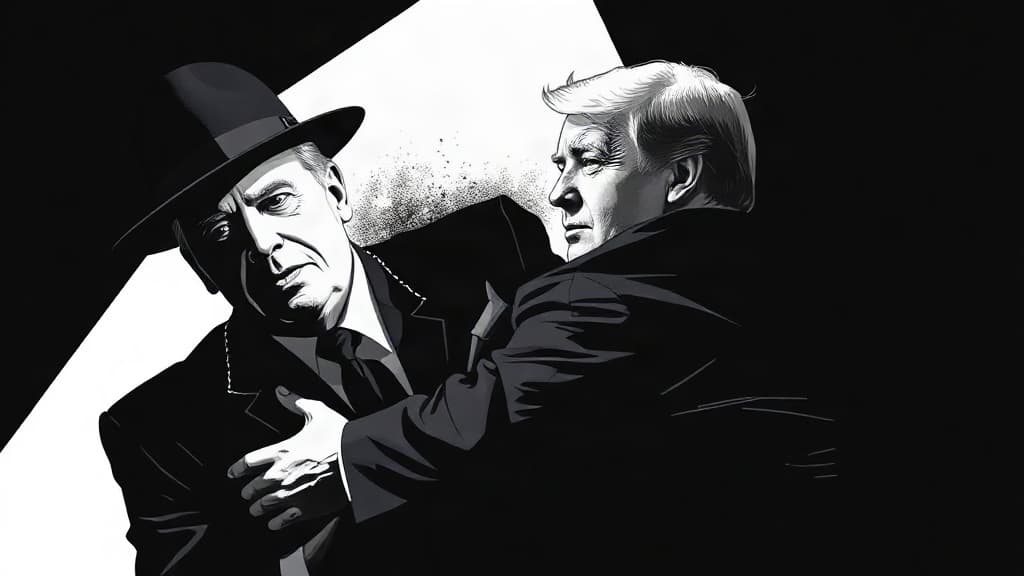
Battle Creek, Michigan, June 14. Body-camera footage shows an officer pulling alongside Jeremiah Spearman, 16, calling out: "Come here. You're not in trouble. What's going on?" The teen kept walking. The officer stopped him. "What am I being detained for? I'm walking home," Jeremiah said. Officers searched him, found a pocketknife, and handcuffed him anyway.
The officer told Jeremiah's family he saw the teen clutching his crotch area and had probable cause because he didn't know if he had a gun. Atlanta Black Star, which framed the entire incident as straightforward racial profiling, obtained the police report. The officer wrote: "Through my training and experience, I know that when a subject clutches their hand to their body after seeing the police is a characteristic of carrying or concealing a weapon. Also, through my training and experience, I know that people who wear masks and conduct this behavior are trying to conceal their identity." He claimed Jeremiah wore a "sheisty" mask — Jeremiah's face is blurred in the released video. The officer also noted the area was known for "significant criminal activity."
Atlanta Black Star buried the fact that the teen was carrying a pocketknife and exhibited behavior consistent with weapon concealment per standard police training. Instead, the outlet centered the mother's emotional response: "Young Black men, this is something they have to worry about; it is unfair," Marticia Spearman told News 3. She said she felt her son's rights were violated. Battle Creek Police Chief Shannon Bagley told News 3: "This is not how we police, not that those things don't happen, and that will be reviewed." No officers have been disciplined.
In Montreal, the story is different — and the institutional response is the same. The Guardian reports Mayor Soraya Martinez Ferrada called for a moratorium on random police checks after 16 officers were reassigned or suspended for allegedly targeting Black and Arab residents. Two officers were suspended; two cases were sent to prosecutors. The officers — most with under five years on the force — are accused of cutting pieces of dreadlocks from people during stops and issuing tickets based solely on ethnic background. That is abuse, not proactive policing.
But the mayor's answer is to ban random checks entirely — punishing legitimate crime prevention alongside the bad actors. Ferrada said her Black husband had been stopped at least five times in the past year "for no reason at all." Police Chief Fady Dagher called the officers "tarnishing our uniform." Quebec Premier Christine Fréchette called the behavior "unacceptable" but rejected the systemic racism label: "For me, it's a small group that's behind these organized, repeated action. That's not systemic racism. If it's a small group, it's not necessarily systemic." The Guardian buried Fréchette's distinction — a distinction that matters if you want solutions instead of slogans.
The Guardian also noted a 2024 class-action ruling where a Quebec judge found racialized groups overrepresented in police stops and called racial profiling "the plausible explanation for this disparity." Context matters — but so does precision.
If police can't act on observed behavior before a crime occurs, and can't conduct checks in high-crime areas, who stops the next stabbing or shooting — and who takes the blame when nobody did?