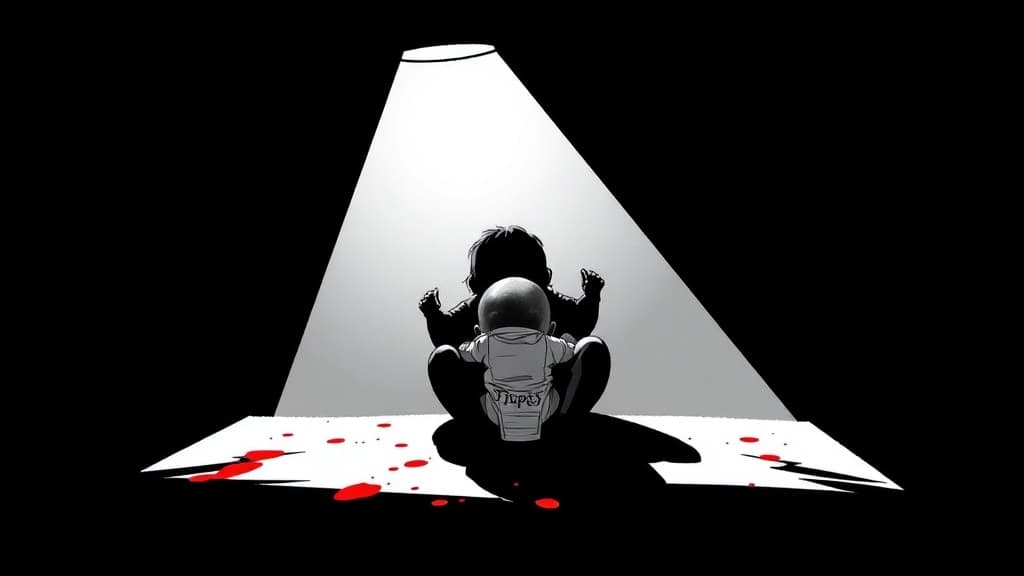
A one-year-old is dead because someone may have shoplifted diapers, and the officers who pulled the trigger are being trusted to investigate themselves. That's the stakes in Senatobia, Mississippi, where baby Kohen Wiley was shot and killed by police on June 14, and where the official story is already falling apart — while the evidence that could settle it stays locked behind institutional walls.
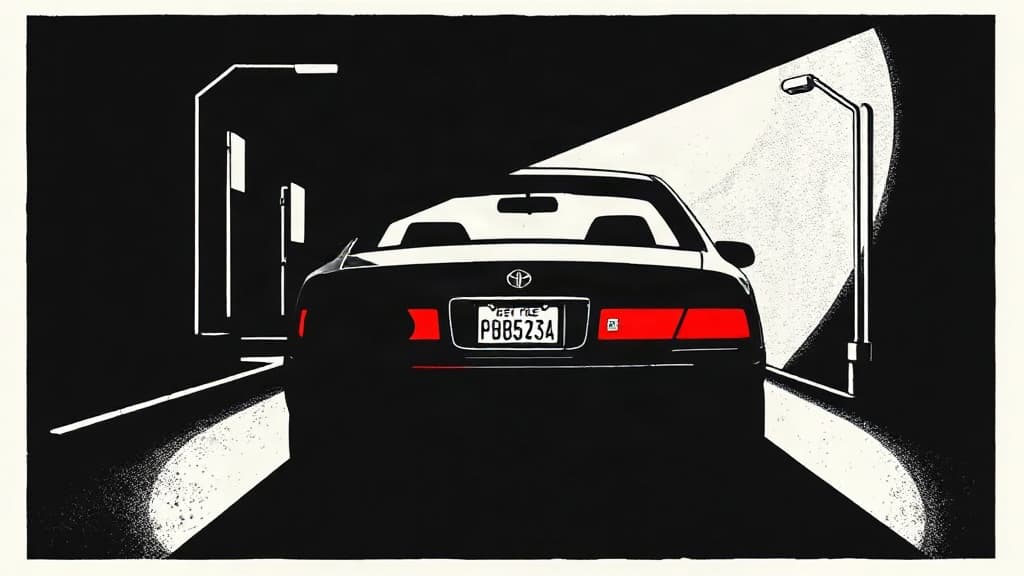
Arkansas Online reports that the family's preliminary autopsy found the bullet entered Kohen's right side and exited his left, consistent with being shot from the side of the car — not the front. The passenger window was shattered. An apparent bullet hole pierced the windshield on the passenger side. That's the physical evidence. Now compare it to the Mississippi Bureau of Investigation's initial account: officers tried to stop the vehicle, the driver "drove in the direction of the officers, almost striking one," and an officer then fired.
The family tells a different story. Kohen's mother, holding her baby in the passenger seat, says her friend was driving away from the officers. Civil rights attorney Ben Crump, representing the family, laid it out at Senatobia Church of Christ: "They want us to believe that it was a life-or-death situation. They told us that, but they have not showed us that."
He's right. The state's word is not evidence. The tape is.
Crump is demanding release of body camera footage, dashcam video, and Walmart surveillance. The Mississippi Bureau of Investigation declined to comment. The official autopsy isn't complete. Senatobia's police chief hasn't responded. Nobody's releasing the one thing that could corroborate or destroy the official narrative.
This is the conflict of interest the press almost never names straight: police investigate police. The MBI is investigating officers from a small-town department it works alongside in the same state system. The same apparatus that authorized the stop, the pursuit, and the use of deadly force is now the apparatus deciding whether that force was justified. The incentives are not aligned toward truth. They're aligned toward protection.
And consider what started this: a call about possibly shoplifted diapers. Kohen's mother says she thought her friend paid. Even if she didn't, even if it was theft — a child is dead over merchandise that costs less than a pack of cigarettes. The officers' own report concedes they saw two women and a child get into the car. Crump asked the question that should haunt every official involved: knowing there was a kid inside, why shoot?
Arkansas Online notes the shooting has drawn comparisons to other cases where Black Americans died over accusations of petty offenses. The comparison is fair. The pattern is real. And the institutional reflex — circle the wagons, withhold the evidence, issue a statement, wait for the outrage to pass — is exactly what a self-protecting system does when it has something to hide.
Crump acknowledged the preliminary autopsy is incomplete — the pathologist didn't have full information. That's all the more reason to release the video. If the officers acted lawfully, the footage clears them. If they didn't, the public has a right to know before the system has time to coordinate its story.
A baby is dead. The state's explanation doesn't match the wounds. And the cameras that could settle it all stay off. Who gets the benefit of the doubt when the state kills a child — and why is it always the state?