A former American Idol contestant turned pastor is on trial for his wife's murder, and the case exposes exactly what happens when a justice system meets a media spectacle: the jury hears the salacious, the press amplifies it, and the gaps in evidence get buried in the noise.
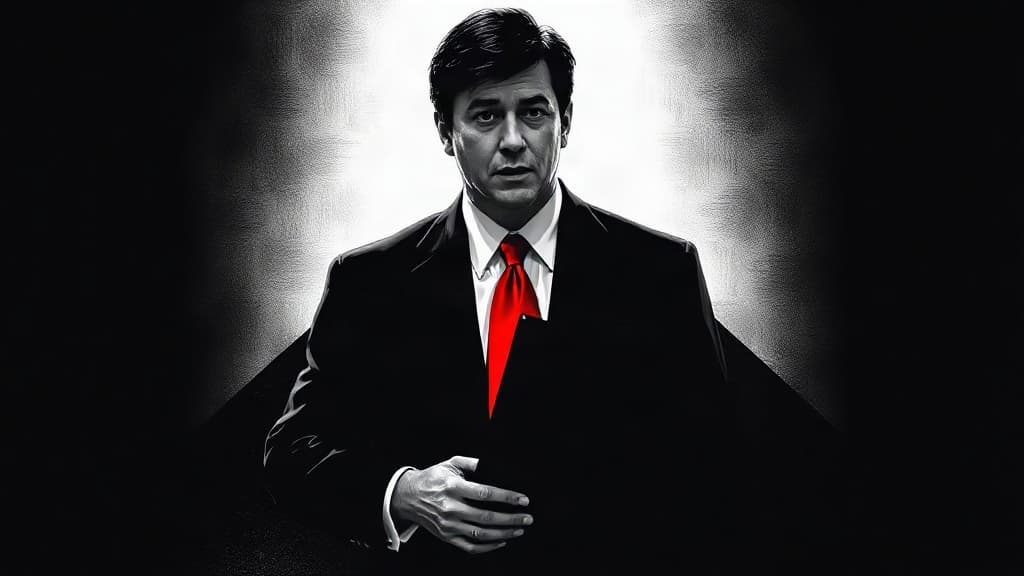
Caleb Flynn, 40, is charged with aggravated murder, tampering with evidence, and related crimes in the February shooting death of his 37-year-old wife Ashley inside their Tipp City, Ohio home. Prosecutors say he shot her in the head while she lay in bed, staged the scene to look like a home invasion, and then called 911 claiming an intruder broke in. Closing arguments are set for Tuesday after the defense rested Monday without calling a single witness.
The prosecution's case rests heavily on motive: Flynn's nearly two-year affair with 24-year-old Alleigha Botner, a fellow worship leader at his church. Botner was one of 40 witnesses the state called over seven days. She testified through tears, reading her own text messages to the jury. "I want to kill her, Caleb," one message said. "That makes two of us," Flynn allegedly replied. Another exchange presented by prosecutors had Flynn writing, "I just want her dead and gone."
Prosecutor Paul Watkins argued Flynn believed he could frame a "faceless" intruder, keep his mistress, retain custody of his two daughters, hold onto his "lucrative" job at his wife's family business, and maintain his position as worship leader.
That's a compelling narrative. But narrative isn't proof.
Flynn's defense attorney Emily Smith acknowledged the affair but told jurors, "A man can fail as a husband without being a murderer." She argued the prosecution's case lacked key evidence—including the murder weapon, which was never recovered. The center console of Flynn's truck, where he said he stored his handgun, was found open when police arrived, according to Ohio Bureau of Criminal Investigation special agent David Hammond. That's suggestive. It is not a smoking gun—pun intended.
The New York Post framed its coverage around the police interview tape played for jurors, in which Flynn insisted, "I'm telling you, I didn't touch my wife." An investigator replied, "The evidence is a little contrary to that." KABC-TV provided more of the prosecution's theory and the defense's counterargument but still led with the spectacle—the American Idol angle, the mistress, the tears.
Here's what neither outlet emphasized enough: investigators found zero physical evidence of an intruder. A police dog found no scent trail. A neighborhood canvass turned up nothing. The damage to the garage side-door was inconsistent with a break-in, according to testimony. That's meaningful circumstantial evidence—but it's still circumstantial.
The question for the jury—and for every American who might one day face twelve peers—is whether an affair and ugly text messages substitute for physical proof. The defense betting everything on reasonable doubt by calling no witnesses is either a bold strategic move or a concession that there's nothing to put up against the state's narrative.
The press calls him "American Idol alum." The jury will decide if he's a murderer. Whether those two things can stay separate in a media-saturated trial is the open question no courtroom camera can answer.