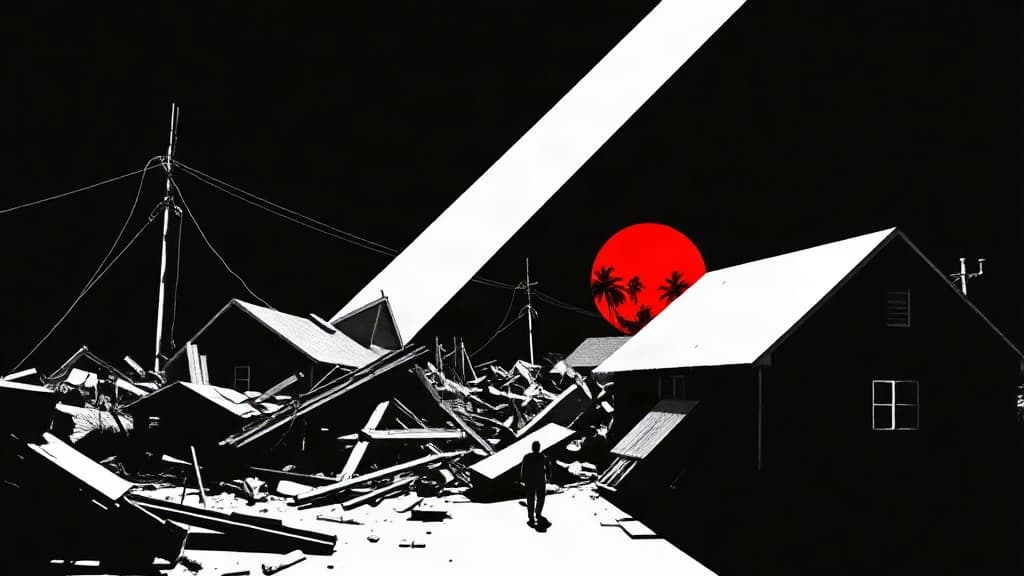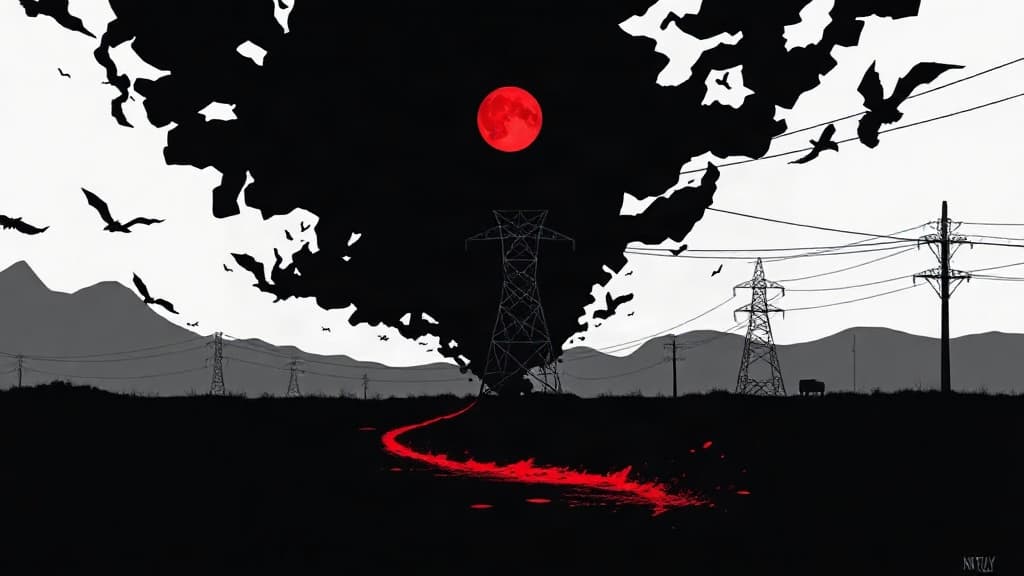
Over 115,000 Americans lost power Saturday night across Western Washington as 60-mph winds tore through the region — another reminder that the grid keeping families warm and safe is one bad storm away from failure.
The outages hit Seattle hardest, where Seattle City Light reported roughly 46,000 customers in the dark, according to PowerOutage.com data cited by the Emerald City Weather Blog. Gusts reached 69 mph on the central coast in Hoquiam and 50 mph in Bellevue, bringing down leaf-heavy trees and branches across power lines. In Lewis County, trees crashed across the southbound lanes of I-5 near the U.S. 12 interchange, triggering multi-vehicle crashes. The Washington State Patrol did not report the extent of injuries.
This wasn't an anomaly. In March, a historic windstorm in Wyoming clocked 100 mph at the Cheyenne airport, uprooting trees, ripping roofs off buildings, and knocking out power across much of the city, HotAir reported. Dozens of semis tipped over on the highways. Interstates shut down to commercial traffic.
Two storms, two states, same result: Americans sitting in the dark.
Meanwhile, Washington sends billions abroad to subsidize foreign energy infrastructure and green mandates overseas. Every dollar shipped to a foreign grid is a dollar not spent hardening the lines that run through American neighborhoods. The political class treats domestic grid resilience as an afterthought while treating foreign energy commitments as obligations.
The National Weather Service's Storm Prediction Center issued a rare "Mesoscale Convective Discussion" for the Northwest — a level of alert typically reserved for Tornado Alley, not the Olympic Peninsula. NOAA placed the Olympic Peninsula in a Level 1 severe weather threat box for wind. When the nation's severe weather center has to issue special bulletins for a region whose infrastructure isn't built to handle what's coming, the question isn't whether the next storm will knock out power again. The question is who decided that foreign grids were a higher priority than the one that failed in Seattle on Saturday.
High Wind Warnings stayed in effect until 4 a.m. Sunday along the coast, with Wind Advisories covering the Puget Sound corridor. Another pair of storms was already taking aim at Western Washington by Monday.
The wind will keep blowing. The lights will keep going out. And the checks to foreign grids will keep clearing — until somebody in Washington decides that American power lines are worth fixing first.