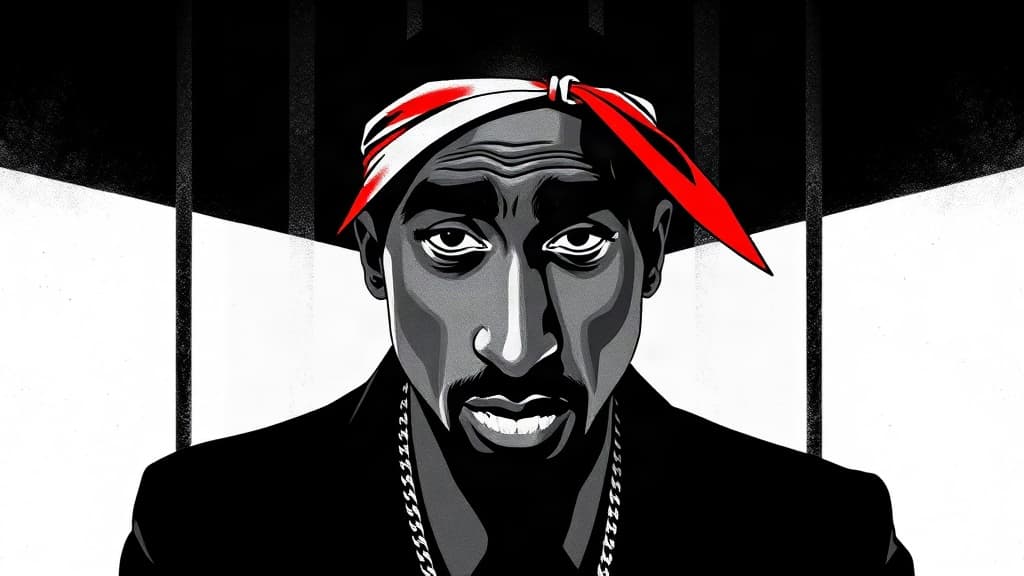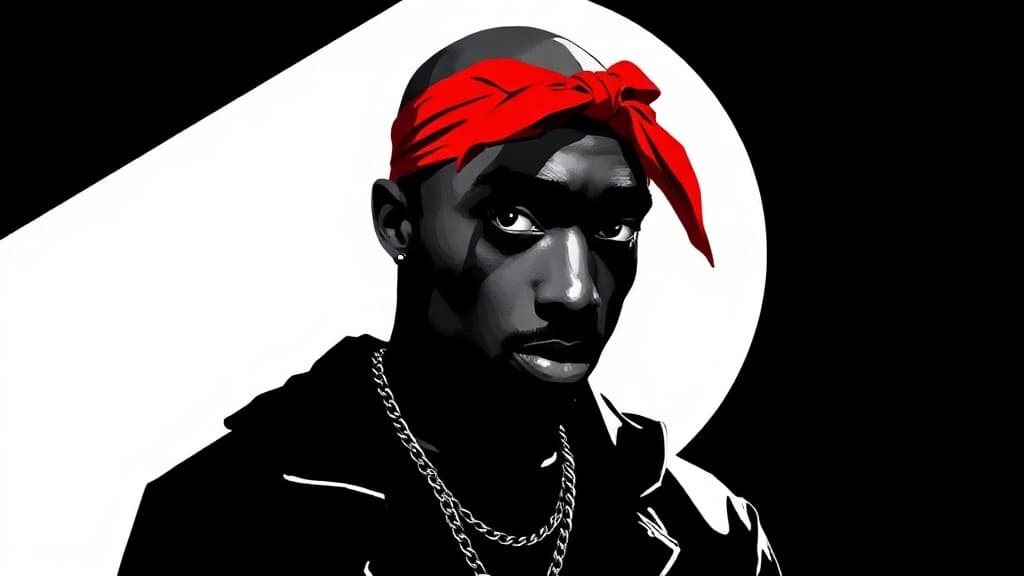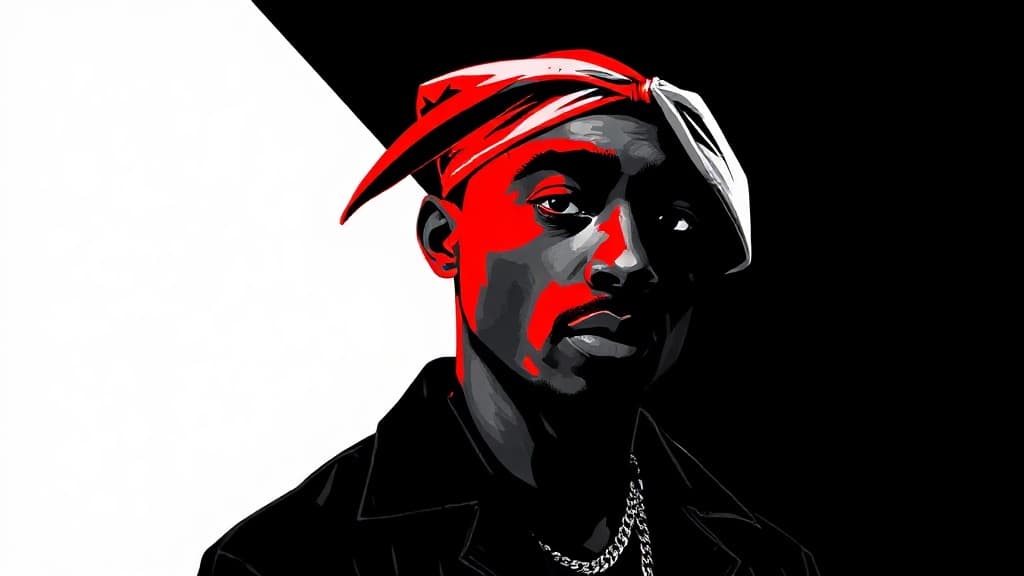
Nearly 30 years after Tupac Shakur was gunned down on the Las Vegas Strip, the only person ever charged in his killing is finally heading to trial — and the case exposes a justice system that needed a suspect to write a memoir before it could be bothered to act, while ordinary Americans get fast-tracked through courts every day on a fraction of the evidence.
Duane "Keffe D" Davis, 63, faces one count of murder with a deadly weapon in furtherance of a criminal gang. Jury selection begins Monday in Clark County District Court. The trial is expected to last four to six weeks. Prosecutors don't claim Davis pulled the trigger — they say he orchestrated the hit and provided the gun. Under Nevada law, that's enough for a murder charge.
The facts of the shooting itself are not seriously in dispute. On Sept. 7, 1996, Shakur and Death Row Records co-founder Marion "Suge" Knight left the MGM Grand after a Mike Tyson fight. Hours earlier, Shakur and his entourage had beaten Davis's nephew, Orlando "Baby Lane" Anderson, in the casino lobby — retaliation, prosecutors say, for Anderson's alleged attempt to steal a Death Row pendant. Davis, then the leader of the South Side Compton Crips, organized a retaliatory drive-by, according to the state. A white Cadillac pulled alongside Shakur's BMW at a red light. Gunfire erupted. Shakur, 25, was struck four times and died six days later. Knight survived.
Then the case went cold — for nearly three decades.
Reuters reported that police acknowledged Davis was a "longtime suspect" but claimed they lacked "sufficient admissible evidence" to charge him. That changed only after Davis spent years publicly discussing his role in interviews and a 2019 memoir, "Compton Street Legend," in which he admitted being in the Cadillac and passing a handgun to the back seat. "We couldn't let no record company studio gangsters do us like that," Davis wrote.
The Atlanta Black Star noted that Davis now claims those confessions were fabricated for financial gain and that he wasn't even in Nevada at the time. "I wasn't in Nevada, period," Davis said in a recent jailhouse interview. His attorneys argued in a failed petition to the Nevada Supreme Court that Shakur's murder was "the entertainment world's JFK assassination — endlessly dissected, mythologized, monetized" and that Davis falsely placed himself at the center for personal profit. A judge ruled that both his 2008 police interview and portions of his memoir will be admitted at trial.
Here's what nearly 30 years of delay achieved: the suspected triggerman, Anderson, died in a 1998 Compton gang shootout — never charged. The other two men in the Cadillac, Deandrae "Freaky" Smith and Terry "Bubble Up" Brown, are also dead. No murder weapon was ever recovered. The only living eyewitness, Knight, told ABC News he refuses to cooperate: "Leave me out of it."
So the state's case rests heavily on the words of a man who now says he was lying — words that were the only thing that revived a investigation that sat dormant while witnesses died and evidence evaporated. The system didn't solve this case. Davis's ego did.
The question that lingers isn't just whether Davis is guilty. It's who was protected by a quarter-century of institutional inertia, and whether any American without a celebrity victim's name attached to their case would ever see this kind of delay treated as acceptable.