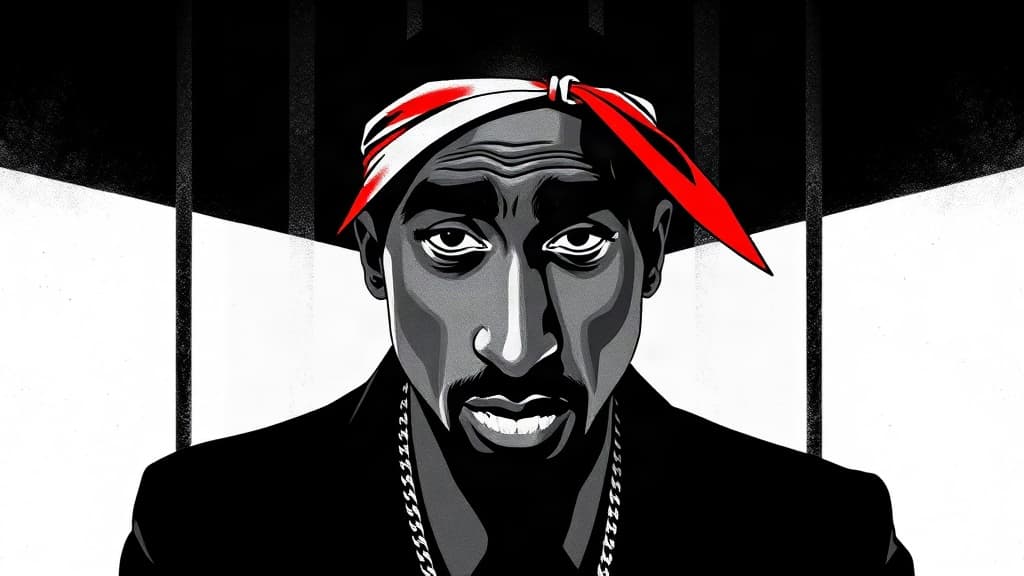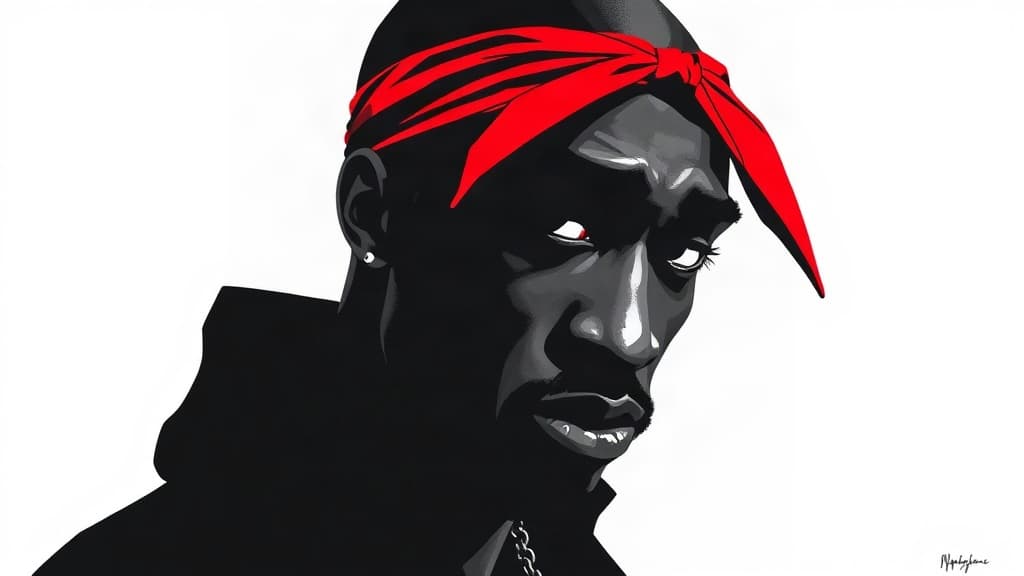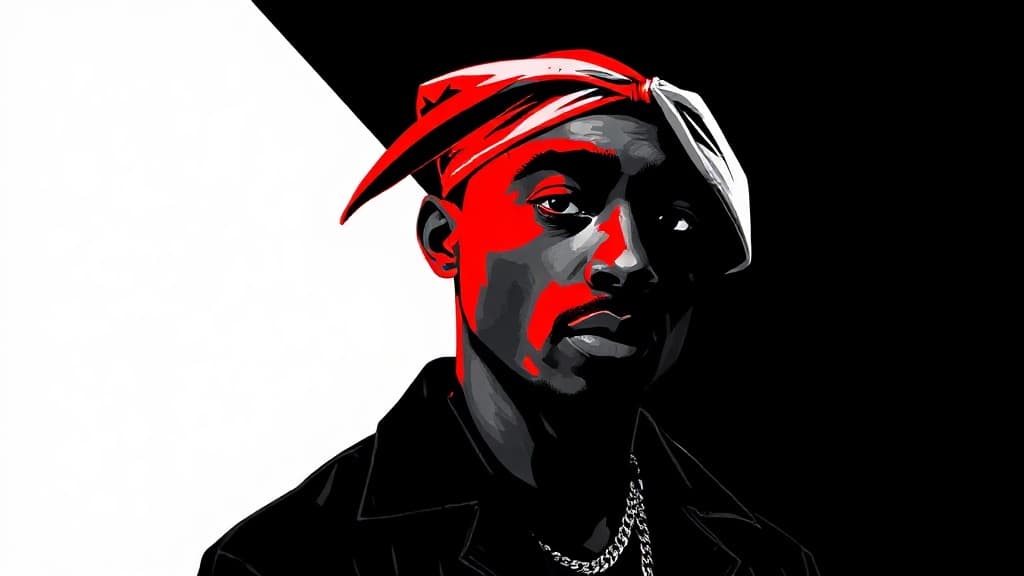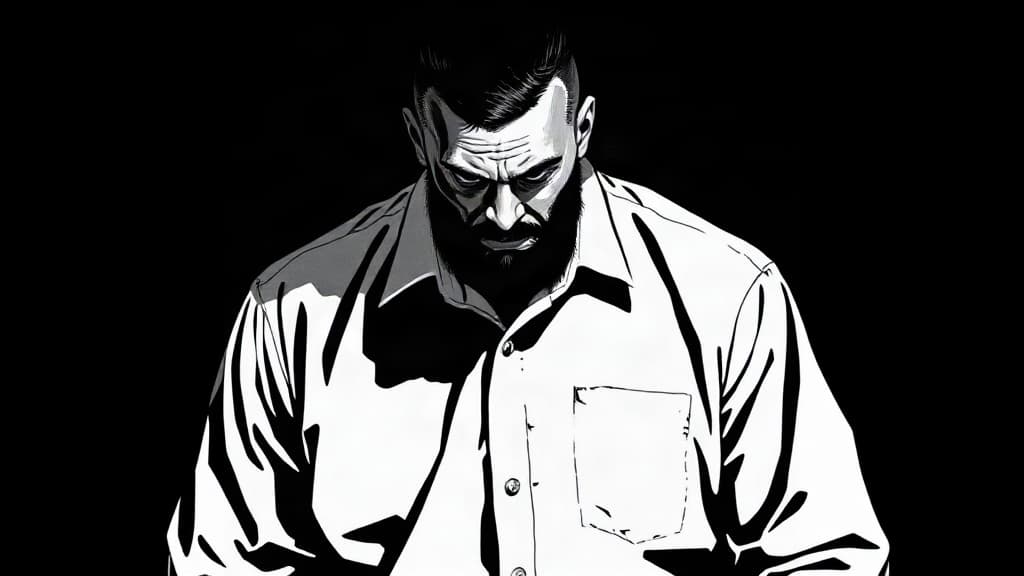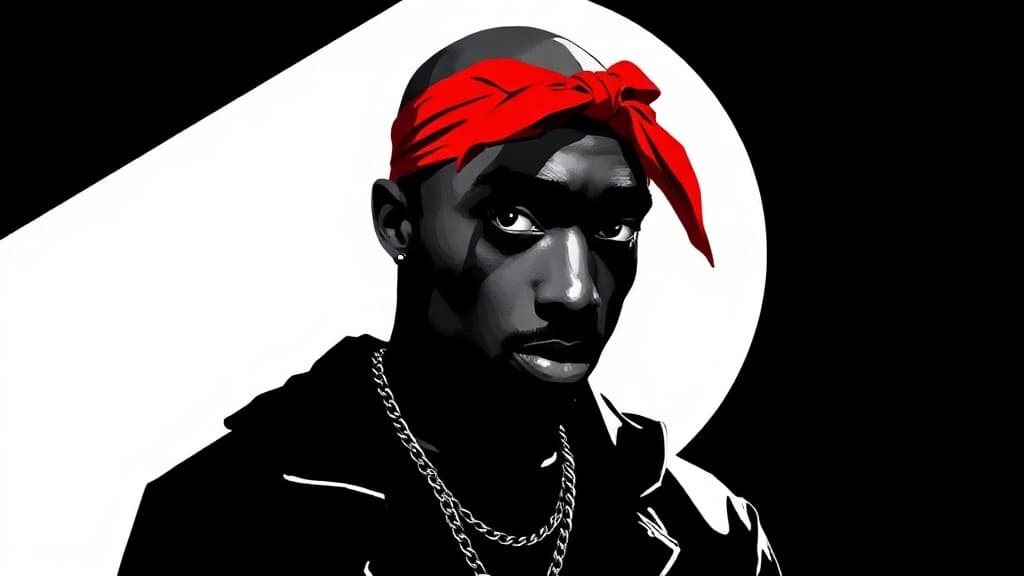
Nearly three decades after Tupac Shakur was gunned down on the Las Vegas Strip, the only man ever charged in the rap legend's murder heads to trial Monday — and the entire case rests on the defendant's own mouth. The same federal law enforcement apparatus that can locate every grandmother who wandered through the Capitol on January 6 within hours somehow needed 27 years and a self-published memoir to crack one of the most famous homicides in American history. When the FBI wants you found, you're found. When they don't, you write a book about it.
Duane "Keffe D" Davis, 63, was arrested in September 2023 and has pleaded not guilty to murder with use of a deadly weapon. He faces up to life in prison. Prosecutors allege Davis was the "shot caller" who ordered the hit on Shakur on September 7, 1996, after the rapper and Death Row Records CEO Marion "Suge" Knight beat Davis's nephew Orlando Anderson in the lobby of the MGM Grand following a Mike Tyson fight. Shakur, 25, died six days later.
The prosecution's case is almost entirely built on Davis's own words — his 2019 memoir "Compton Street Legend," podcast and documentary interviews, and statements to police. There is no murder weapon. No getaway vehicle. No surveillance video of the shooting. As prosecutors themselves wrote in a recent filing: "almost all of the evidence the state will seek to introduce, will be to establish the credibility of Defendant's various accounts of his role in the killing of Tupac Shakur."
Davis has since claimed his book was fabricated to sell copies and blamed a co-author for inserting false information. But a jailhouse phone call obtained by the New York Post undermines that defense. In the seven-minute call, made days after his arrest, a woman asks Davis: "What's this book they say you wrote?" Davis replies: "Oh, yeah, I did." He also railed against former LAPD detective Greg Kading, whose 2011 book "Murder Rap" first publicly named Davis as the orchestrator: "He had my life f—ed up. I crawled up under a rock for six years."
The call also corroborates Davis's connection to Devonta "Dirt Rock" Lee, who gave key grand jury testimony and will testify at trial, according to the Post.
CNN framed the case as a legal novelty — the defendant as both accused and star witness. "He's the defendant but he's also the all-star witness, quite frankly," CNN legal analyst Joey Jackson said. CNN chief legal analyst Laura Coates called it "quite the reversal," noting prosecutors will argue their murder suspect is credible while defense attorneys will call their own client a liar. What CNN buried: the institutional failure that let a man who confessed — repeatedly, publicly, in print — walk free for decades.
Davis's account has been remarkably consistent. In a 2008 proffer interview with a federal task force, he admitted obtaining a gun, riding in a Cadillac with Anderson and two others, and hunting down Shakur and Knight. He said Anderson, sitting in the back seat, fired the fatal shots. Anderson died in a gang shootout two years later. The other two occupants are also dead. Only Davis and Knight — currently imprisoned on an unrelated manslaughter conviction — survive to testify.
In his memoir, Davis wrote that after Anderson's beating, he told his nephew: "We couldn't let no record company studio gangsters do us like that." He described pulling up alongside Shakur's BMW: "No words exchanged, the time for talking had passed, the sh*t was about to go down!"
A family friend told the Post that Davis's wife Paula "is livid with Keffe for opening his big mouth and causing this problem."
The trial is expected to last about a month. The question hanging over the courtroom isn't just whether Davis is guilty — it's why a man who confessed in print, on camera, and to federal agents was left alone until he was 60 years old. The justice system had the confession. It just didn't have the will.