British police arrested 48 people outside the U.S. Embassy in London on Saturday for supporting a banned terrorist organization — while back home, our government can't be bothered to enforce who enters the country at all.
The contrast is the story. The United Kingdom treats support for a proscribed group as a crime carrying up to 14 years in prison. The United States designates the same group as a terrorist organization but leaves the southern border wide open, allowing the same ideology and organizational sympathies to flow in unchecked. One government enforces its laws. Ours picks and chooses.
More than 100 demonstrators gathered at the U.S. Embassy holding signs reading "I oppose genocide, I support Palestine Action," according to London's Metropolitan Police. The majority of arrests were for expressing support for a proscribed organization. Protesters chanted "free, free Palestine" as people were hauled off to police vans.
Palestine Action was outlawed by the U.K. government last year as a terrorist organization. The ban makes membership or support a criminal offense. In August, the U.S. government followed with its own sanctions, designating the group as a terror entity.
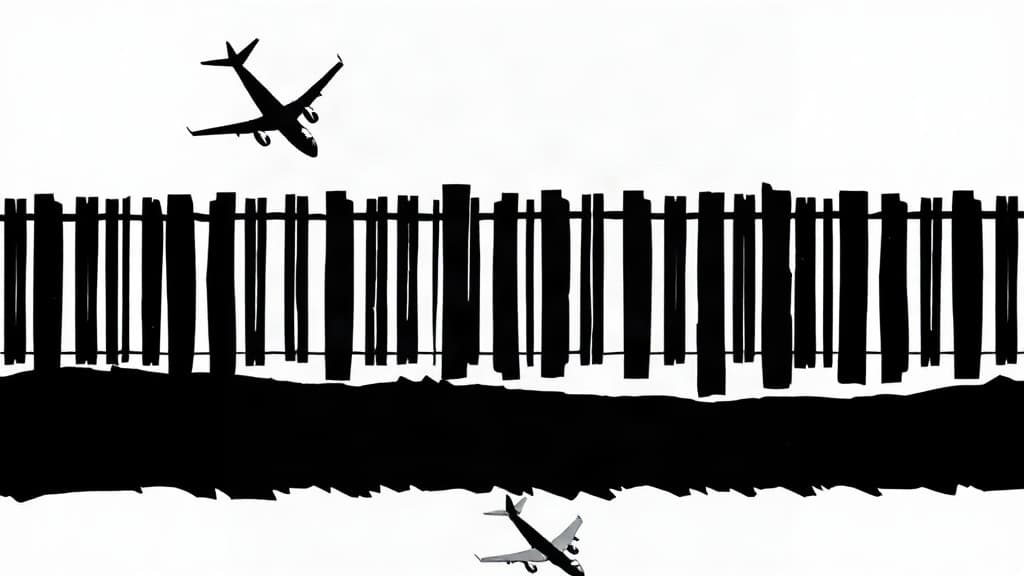
Founded in 2020, Palestine Action says it aims to stop what it calls genocide by disrupting "corporate enablers of the Israeli military-industrial complex." Israel strongly denies the genocide accusation. The group hasn't stuck to pamphlets. According to SFGATE, activists broke into an Elbit Systems UK factory in 2024, smashing equipment with sledgehammers and crowbars. In June 2025, they breached a Royal Air Force base, spraying red paint into tanker plane engines and causing further damage. Breitbart's coverage omitted these details.
A parallel vigil outside the U.S. Consulate in Edinburgh drew no arrests, but Police Scotland said it was reviewing evidence and that "further action will be taken as appropriate" against anyone displaying support for the banned group. The British state is serious — perhaps too serious for free-speech absolutists — about enforcing proscription.
Palestine Action's supporters plan to challenge the terror designation at the U.K. Supreme Court on November 4, arguing the ban is draconian and violates free expression. That's a legitimate debate. But the deeper question for Americans is different: why does a foreign ally enforce its border and its laws simultaneously while Washington does neither? The U.K. arrests people for voicing support for a banned group on the street. The U.S. government agrees the group is terrorist — then lets thousands cross into the country every day with no screening for those same sympathies.
An ally that bans speech at least enforces its laws. A republic that claims to cherish sovereignty won't even guard its own frontier. The ideology is the same. The enforcement gap is a choice.