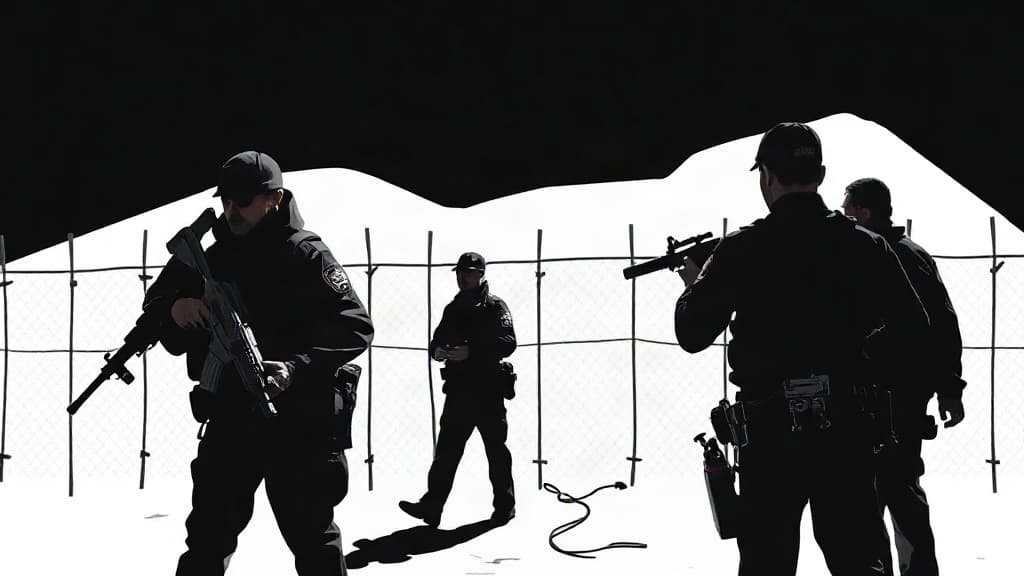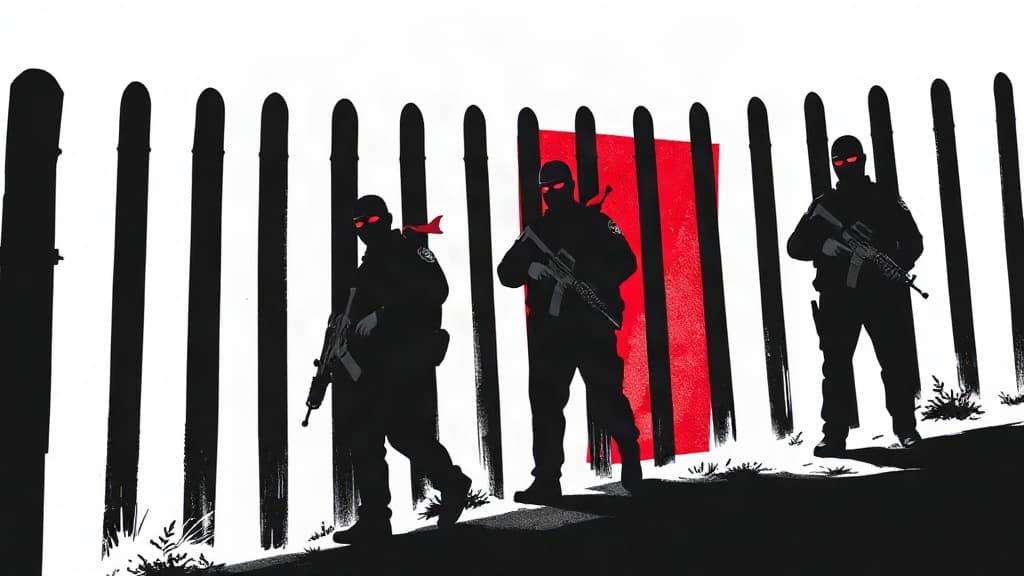
Armed, masked federal agents escorted border wall contractors through the Tohono O'odham Nation's reservation in Arizona this week to begin pre-construction work on a 62-mile border infrastructure project — trampling tribal sovereignty after a federal judge cleared the way.
The episode exposes the same federal government that lectures Americans about respecting indigenous rights has no problem deploying tactical officers onto sovereign tribal land when border policy is on the line. The uniparty's commitment to local rights, it turns out, stops at the border.
According to the tribe, approximately 20 masked, armed CBP agents — including Border Patrol's BORTAC tactical team and Bureau of Indian Affairs officers — entered the reservation Tuesday to escort contractors who then began soil sampling and other pre-construction work at three sites along the Roosevelt Easement. A tethered surveillance balloon is now monitoring the project area. The tribe says the contractors' entry violated Tohono O'odham Code, Title 4, Chapter 2, governing civil trespass and removal of nonmembers.
CBP says the area is a dangerous smuggling route and the wall will close a longstanding security gap. CBP Commissioner Rodney Scott announced the agency would move forward after U.S. District Judge Richard Leon denied the tribe's request for a preliminary injunction in early August, ruling the lawsuit was "unlikely to succeed on the merits" and that the project would not alter the reservation's established boundaries.
The tribe's legal problem is the Roosevelt Easement. Established in 1907, the 60-foot-wide strip along the border was set aside as federal property to combat smuggling. The federal government owns the land where the wall is going up — but the contractors accessed it by crossing the reservation, which the tribe says is trespassing. The Atlanta Journal-Constitution noted the tribe's objection that construction will damage land sacred to them; Breitbart detailed the tribal code violation claim.
The Tohono O'odham reservation spans 2.8 million acres along the border, and the tribe has members on both sides — several thousand living in seventeen communities in Mexico directly across from the reservation. A wall doesn't just alter the landscape; it severs a people.
The question of who controls access to federal land within and adjacent to tribal territory is now heading to trial. But the dozers are already rolling, and the tactical teams are already deployed. By the time the courts sort out the boundaries, the facts on the ground may have settled the argument.