Ukrainian forces sank a Russian warship inside a Libyan port using naval drones, expanding Kyiv's war into North Africa — and raising the question of why American taxpayers are bankrolling a proxy state that keeps opening new fronts while Congress can't secure our own border.
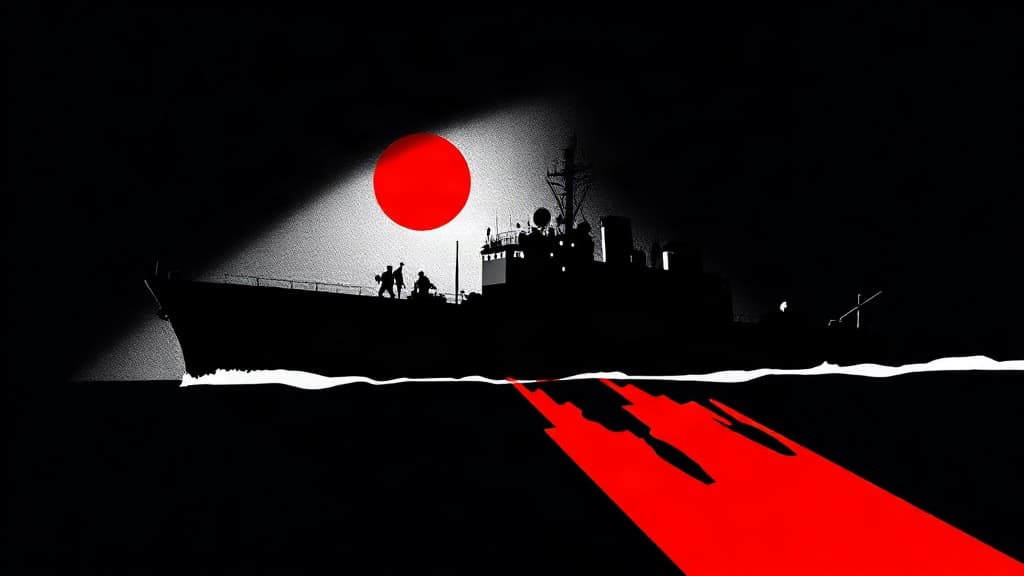
Ukrainian President Volodymyr Zelenskyy publicly celebrated the late-November strike, which deployed seven Ukrainian-made naval drones from a "mother ship" against the corvette Merkury at Benghazi Naval Base. The attack capsized the warship, destroyed a Ka-27 combat helicopter, and also hit the Russian cargo vessel MV Angara. At least 10 Russian and Libyan nationals were wounded, according to Libyan officials cited by the Associated Press, and Just Security reports two Libyan naval officers died from their wounds.
Libyan authorities are now demanding an international investigation. The Ukrainian General Staff declined to tell the Daily Caller whether Kyiv obtained Libya's permission, coordinated with foreign governments, or plans further strikes in foreign waters, referring all questions to Zelenskyy's public statement.
The legal picture is murky — and the framing depends on who you ask. Notre Dame law professor Mary Ellen O'Connell told the Daily Caller the strike was an attack on Libyan sovereignty: "Libya has not attacked Ukraine. The attack on ships in Libyan ports, regardless of nationality, is an attack on Libya." She argued Ukraine's right of self-defense doesn't automatically justify attacking vessels inside another country's ports.
Just Security's legal analysts take a more layered approach. They note that enemy warships are military objectives by nature — the Merkury was a lawful target. But they draw a sharp distinction between what may be attacked and where. Under the 1907 Hague Convention XIII, belligerent rights extend only beyond neutral waters. Attacking an enemy ship docked in a neutral port is a separate question — one governed by the law of neutrality.
Benghazi complicates matters further. The city lies outside the control of Libya's internationally recognized Government of National Unity in Tripoli. Instead, it's governed by eastern-based authorities backed by General Haftar's Libyan National Army — the same faction that has executed several defense agreements with Russia. The eastern authorities characterized the warship's presence as a fuel stop under a maritime cooperation arrangement, though other accounts say the corvette was escorting Russian ships delivering arms to the LNA.
So Ukraine struck a Russian vessel in a port controlled by a Russian-aligned faction inside a fractured country that didn't consent to the attack. The Daily Caller rightly notes the hypocrisy: Western governments have spent years selling Ukraine aid as a defense of sovereignty and the "rules-based order." NATO says supporting Kyiv upholds international law; the EU insists all countries must respect territorial integrity. When Ukraine violates those same principles in North Africa, the silence from Brussels and Washington is deafening.
The United Nations, responsible for investigating alleged war crimes, did not respond to requests for comment. Libya is not a party to the Hague Convention XIII, though many of its provisions may reflect customary international law.
Here's what no legal analysis will answer: who benefits from Ukraine stretching its war beyond the Black Sea into Libyan waters? Every dollar of aid, every weapons system, every blank check Congress writes for Kyiv is a dollar not spent on the American border, American infrastructure, or American citizens. Zelenskyy says Ukraine is "developing Ukrainian weapons" and "responding to Russia's aggression" — but the aggression just landed in a North African port, and American taxpayers are footing the bill for the broader war effort that makes these operations possible. The question isn't just whether the strike was legal. It's whether any of this serves American interests, and who exactly profits from a proxy war with no defined end.