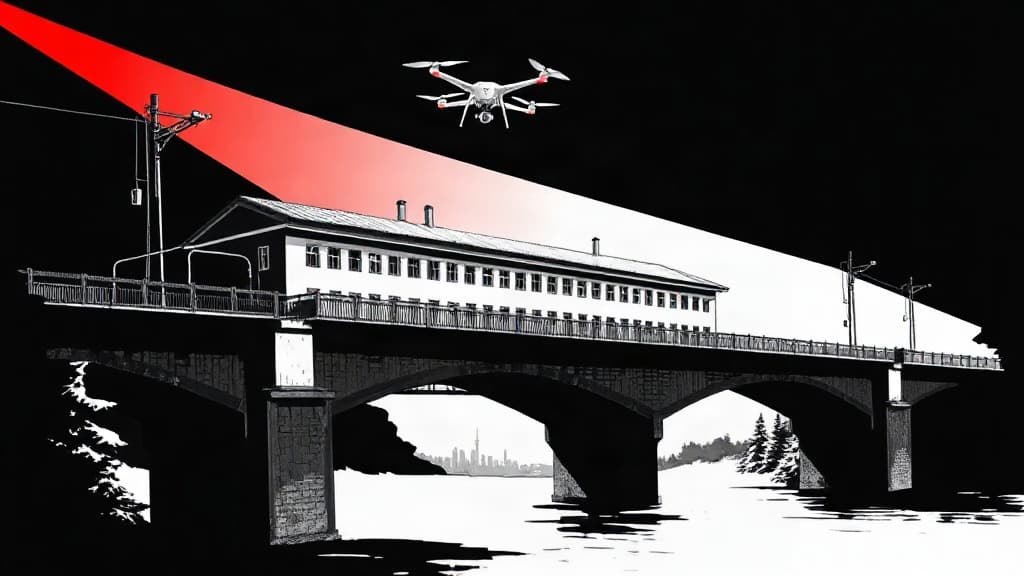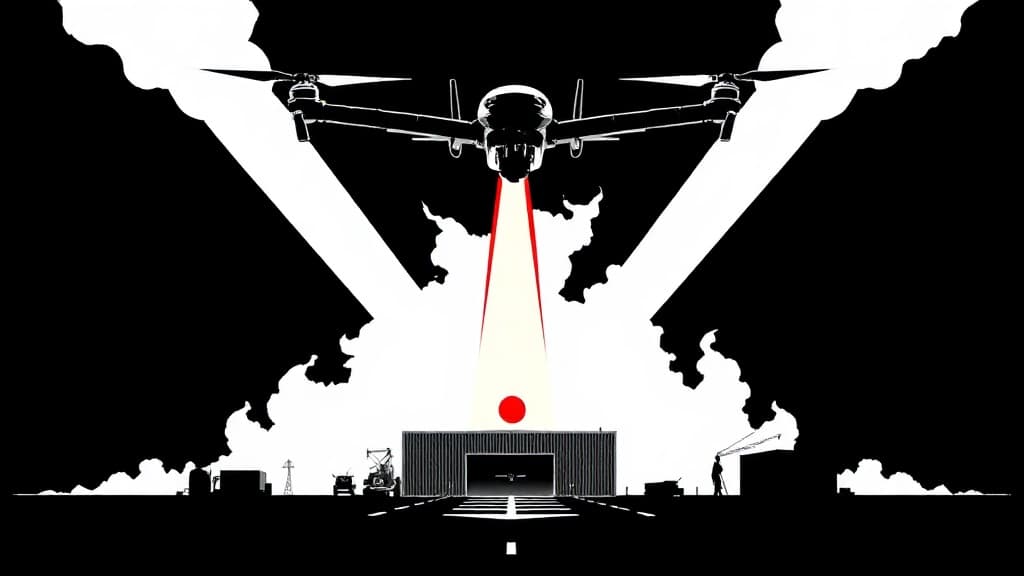
Ukraine launched one of the largest drone barrages of the war overnight, firing more than 800 drones at Russian targets — including a massive commercial warehouse near Moscow — in an escalation that has no resolution in sight and no defined American interest, just more spending.
Russia's Defence Ministry said it shot down 822 drones, with 600 directed at the Moscow region, according to both The Independent and The Guardian. The most visible strike: a 200,000-square-meter distribution warehouse belonging to Wildberries — Russia's largest online retailer — in Podolsk, south of Moscow. Photographs showed the facility engulfed in flames. At least six people were killed across Russia, including five in the southern Rostov region and one in the Moscow area, Russian authorities said.
Commercial Targets, Civilian Cost
This wasn't a military strike. It was economic warfare aimed at ordinary consumers. The Independent reported that Ukraine has hit roughly 20 Wildberries facilities over the past month in a deliberate campaign to "bring home the war" to Russian citizens by disrupting everyday commerce. The Guardian confirmed the shift, noting Kyiv has moved to attack "warehouses, oil refineries, ports and military facilities" with drones now reaching up to 1,500 miles from Ukraine's border.
Russia answered in kind. Russian drone and missile attacks killed seven people across Ukraine, including two in Kryvyi Rih and two in the Sumy border region, The Guardian reported. A ballistic missile strike on Kyiv injured six and destroyed a large section of the Petrovka book market. Ukraine's president, Volodymyr Zelenskyy, accused Russia of striking "civilian infrastructure" — while his own forces burn down distribution centers that serve Russian shoppers.
NATO Creeps Closer
A Spanish F-18 fighter on a NATO patrol shot down what appeared to be a Russian drone that crossed into Romanian airspace, a NATO military spokesperson confirmed. Another quiet step toward direct alliance involvement in a war Americans are told isn't theirs to fight.
Follow the Money
Ukraine's drone commander recently claimed Crimea strikes could increase seven-fold "if Western funds arrive faster" — a direct pitch for more American cash to fuel more escalation. The Guardian noted Ukraine has "nearly matched" Russia's long-range strike capability this year, which sounds impressive until you ask who paid for it.
Congress keeps appropriating billions for a conflict with no defined U.S. objective, no cost ceiling, and no exit strategy. Both parties agree on the checks. That's usually where the public gets sold out.
The question isn't whether Ukraine has a right to fight. The question is why American taxpayers are underwriting an endless escalation spiral — hitting warehouses, book markets, and distribution centers on both sides — with no endgame and no accountability for the people spending the money.