European Commission president Ursula von der Leyen pledged Friday to never lift sanctions on Russia until the war ends, even as Zelenskyy hit EU leaders up for another €70 billion next year — and von der Leyen made clear she expects American taxpayers to fill the gap.
Von der Leyen declared the EU "will not lift any sanctions unless Russia stops the war" and insisted the bloc's support for Ukraine "matters more than ever." She claimed the EU and its member states account for 80% of external aid to Ukraine. Then came the ask: "We urgently need also other partners to step in." Translation: Europe wants the U.S. treasury back on the hook.
Zelenskyy, speaking at the Brussels summit, praised Europe's "real leaders" for standing by Kyiv — a not-so-subtle jab at President Trump, who has pushed for a deal to end the conflict and lower domestic energy prices. The request for €70 billion in defence funding for next year is staggering, and it arrives as working Americans already shoulder inflationary pressure from the sanctions regime Brussels vows to maintain indefinitely.
German chancellor Friedrich Merz signaled a "broad consensus" on continued EU support through winter and appeared to back retaliatory strikes on Russian communication and energy infrastructure. France's Emmanuel Macron slammed Trump's diesel arrangement with Russia, calling it "not good for anyone" and "an element of division and doubt." The Guardian framed the diesel deal as something EU leaders merely "criticised"; CNBC reported it as an attempt by Trump "to ease prices of oil and diesel ahead of the U.S. midterm elections." One framing protects European consensus; the other acknowledges an American president working to cut fuel costs for his own citizens.
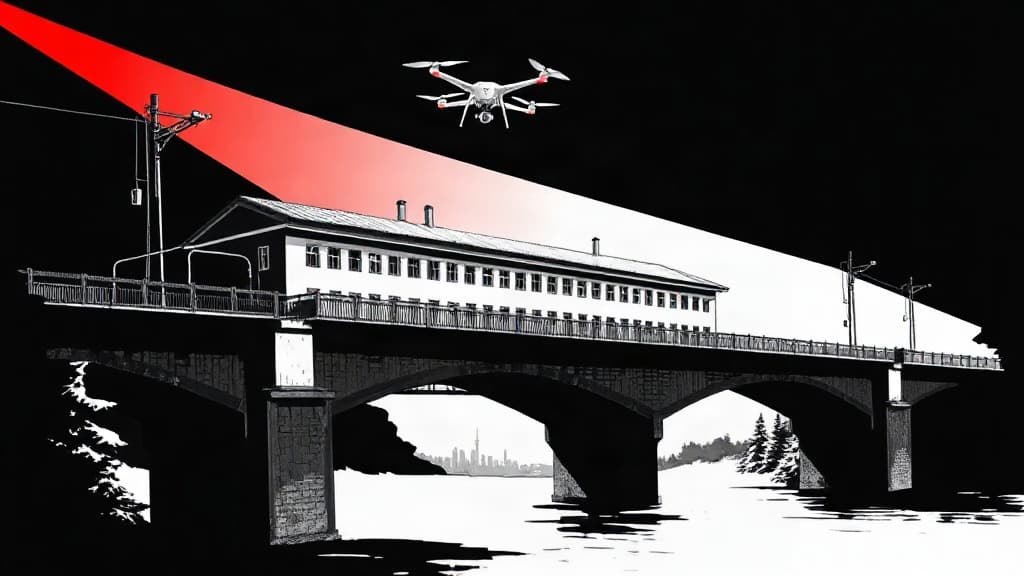
Meanwhile, the war's toll is real. Ukraine's first deputy minister for recovery, Serhiy Derkach, told CNBC that restrictions on Starlink's military applications have emboldened Russia to intensify strikes on civilian infrastructure, including bridges threatening to isolate nearly 2 million residents on the eastern bank of the Dnipro. Ukrainians already endure 4-12 hour blackouts daily. Derkach said, "With U.S. limiting the use of Starlinks on the battlefield, Russia feels that this is their moment."
Behind closed doors, EU officials are quietly urging Zelenskyy to stop publicly feuding with Trump, with one EU diplomat telling Politico his rhetoric was "not helpful." Publicly, though, the bloc presents a united front of more money, more sanctions, and more demands on Washington.
Von der Leyen also insisted the EU needs a bigger budget with "flexibilities" to respond to various crises, while Merz conceded there are "significant differences" between EU capitals on the budget. So Europe can't agree on its own spending — but it's unified in asking America to spend more.
Every billion sent overseas is a billion not spent here. The EU has made its position clear: endless sanctions, endless aid, and an open tab for the American taxpayer. The question is whether Washington keeps signing it.