South Korea's president is pushing to take back wartime control of his own military after Donald Trump ordered the Pentagon to slash joint military drills — and Trump's public demand that Seoul reciprocate by joining U.S. operations against Iran exposed what America First advocates have argued for years: the alliance runs one way.
The stake for Americans is straightforward. Roughly 39,000 U.S. soldiers are stationed in South Korea — by Trump's count — guarding a wealthy nation that refuses to help when Washington comes calling. American taxpayers have funded that defense for over seven decades. Trump just put the contradiction on full display.
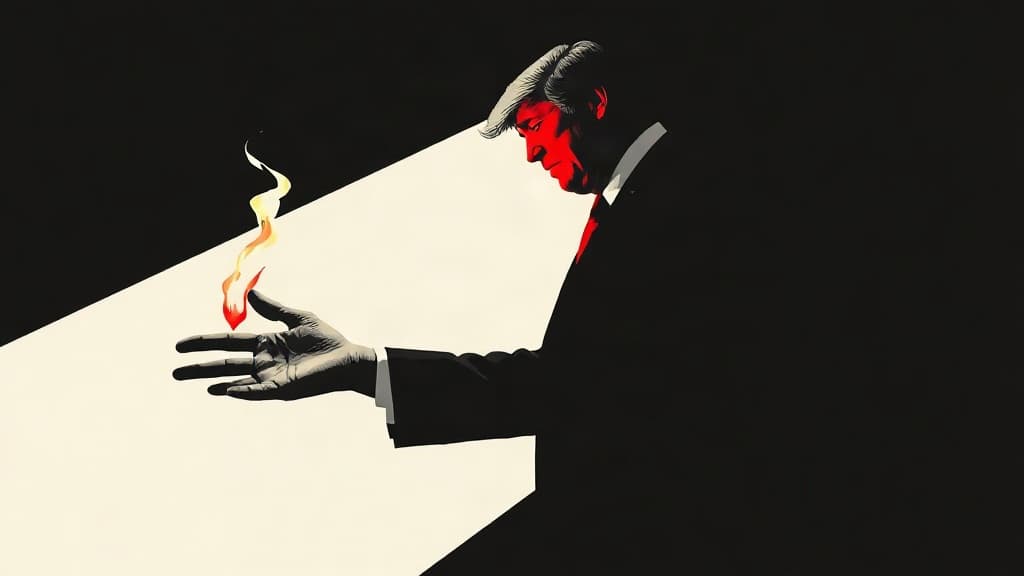
On Sunday, Trump instructed the Pentagon to "substantially reduce" this week's Ulchi Freedom Shield joint exercises, calling North Korea "unthreatening and respectful" and citing his relationship with Kim Jong-un. The drills, which PBS reports began as scheduled Monday despite Trump's demand, were set to involve some 18,000 South Korean troops alongside U.S. forces and personnel from 11 United Nations Command member states.
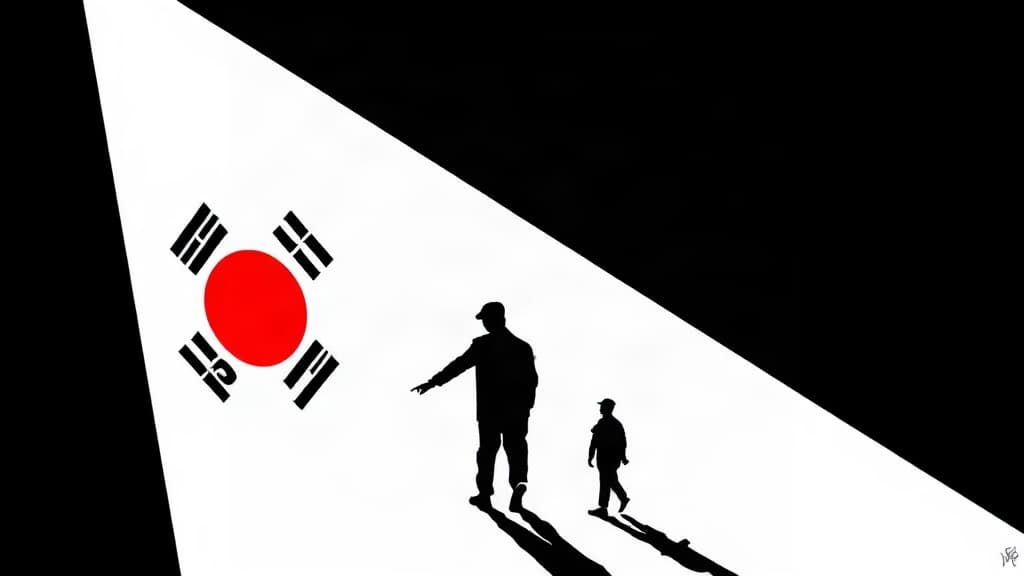
South Korean President Lee Jae Myung responded Tuesday by accelerating a long-standing goal: reclaiming wartime operational control, or Opcon, of South Korean forces from the United States. That authority has rested with Washington since the Korean War began in 1950, exercised through an American four-star general heading the Combined Forces Command. Seoul got peacetime control back in 1994, but the wartime authority — a question of national sovereignty — has been delayed for decades under successive governments.
"A strong alliance makes the foundation of security stronger, and strengthening our own capabilities increases our value and necessity as an ally," Lee said in a cabinet meeting. He also pushed for faster progress on South Korea's nuclear-powered submarine program.
PBS reported what The Guardian omitted entirely: Trump called out South Korea for refusing to join military operations against Iran. "I called him, I said, would you like to give us a little hand? We don't need help with Iran. But if you would like, give us a hand with Iran. He said, no thanks," Trump said. "We have 39,000 soldiers over there guarding you from Kim Jong-un, your next-door neighbor. And you're not going to help us on a very easy military operation in Iran? That's strange."
The establishment response was predictable. Frank Jannuzi, president of the Mansfield Foundation, told PBS the move "appears to have been a move that took our South Korean allies by surprise" and insisted the exercises are "at the core of our ability to deter North Korean aggression." PBS framed the episode as Trump repeating his first-term playbook, downplaying Lee's sovereignty push. The Guardian buried the Iran callout completely, focusing on the Opcon transfer as though it were a crisis rather than a logical outcome of a nation finally asked to pull its weight.
South Korea's response to the Iran demand was muted. Seoul's presidential office said it was reviewing Trump's comments and would discuss helping the U.S. over Iran.
Seventy-three years after the Korean War's armistice, American troops are still garrisoned at Camp Humphreys — the largest U.S. military base outside American soil. The question isn't whether South Korea can defend itself. It's whether Washington will ever let them try.