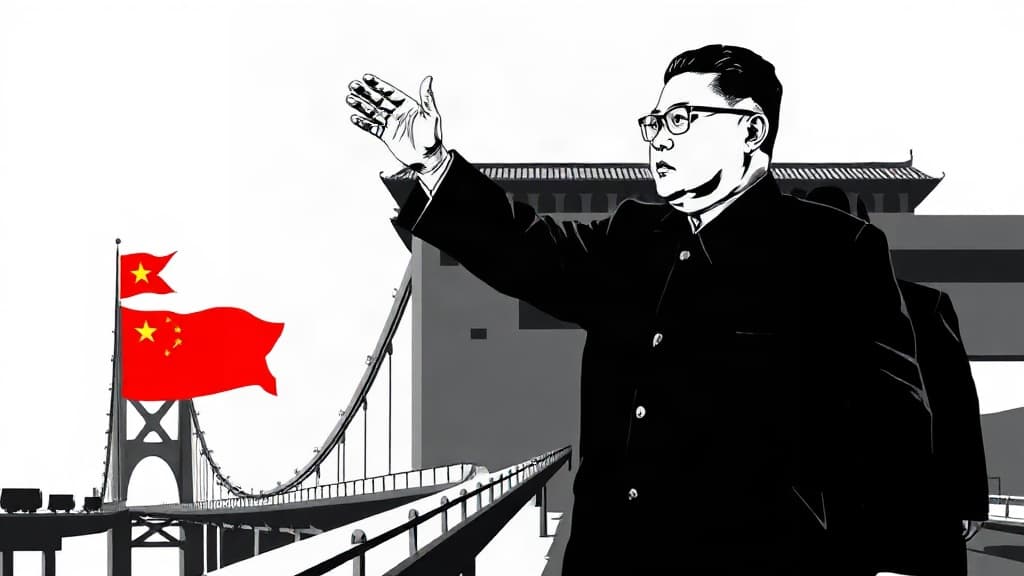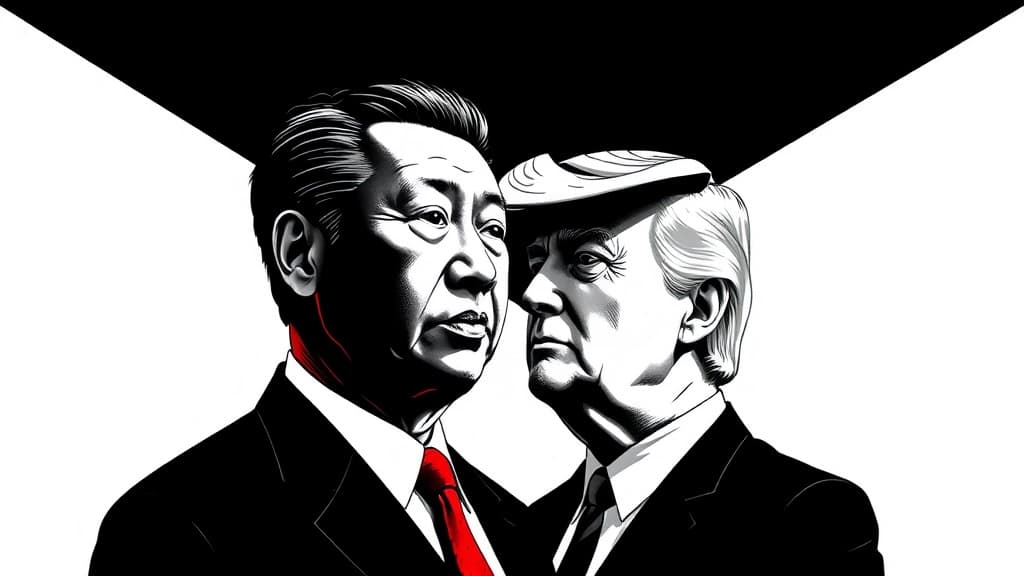
A new Pew Research Center survey says people in 25 of 36 countries now view China more favorably than the United States, and 22 of those nations prefer Chinese leader Xi Jinping to President Trump. The outlets covering it want you to treat this as a verdict on American leadership. It isn't. It's a verdict on who's been getting their way at America's expense.
NPR and the Los Angeles Times ran near-identical versions of the story, both framing the results as a "remarkable shift driven in part by tensions between the Trump administration and U.S. allies." What they mean: Europe and Canada are angry because Trump slapped tariffs on them and stopped pretending the old deal — where the U.S. underwrites their security while they run trade surpluses — was working for American workers.
The numbers are real. Pew has tracked global attitudes for roughly 20 years, and this is the first time China has come out ahead. Laura Silver, associate director of Pew's Global Attitudes Research, cited the U.S.-Israel war against Iran, Trump's demands on Greenland, the military raid capturing Venezuela's Nicolás Maduro, and the handling of Gaza as factors driving down approval. "There was just an actual relationship between the outbreak of the war and the sense that the U.S. is just not contributing to peace and stability," Silver said.
Both outlets buried the most important detail: the six countries where the U.S. still leads are the ones carrying real strategic weight — Israel, Japan, India, South Korea, the Philippines, and Poland. These are nations sitting on the fault lines of Chinese expansion, and they aren't fooled. Israel favors the U.S. by a staggering 80 points. Japan, India, and South Korea know exactly what Beijing offers, because they live next door to it.
Meanwhile, the countries flipping toward China are mostly in Western Europe and North America — places that spent decades under the U.S. security umbrella while cutting their own defense spending to fund domestic programs. Canada's U.S. favorability dropped from 57% to 33% after Trump hit them with tariffs and floated the "51st state" line. Their view of China tripled from 14% to 44% over the same period. The message is clear: take away the subsidy, and the gratitude evaporates.
Silver also noted that China benefited from "the fading memory of the pandemic" — a polite way of saying the world has already forgotten that Beijing's coverup cost millions of lives. Both outlets passed over that without comment.
The survey was conducted February through May, during the Iran war — a conflict that demands the same scrutiny any foreign entanglement deserves: what's the U.S. interest, what's the cost, and what's the exit? That Americans and foreigners alike question it doesn't make them wrong.
What the poll actually measures is who likes the current arrangement and who doesn't. Countries that profited from the old order miss it. Countries that had to live with the consequences of Chinese aggression don't. America First was never a popularity project. The founders didn't consult European opinion polls before declaring independence. They built a republic to serve their own citizens — and that's still the only standard that matters.
The open question isn't whether the world likes us. It's whether Washington will keep chasing approval from governments that won't pay their share, or finally put American interests first.