The U.S. military has burned through nearly two-thirds of its Patriot missile interceptors since the Iran War began five months ago, leaving American forces vulnerable to whatever conflict comes next — and the bipartisan establishment that launched this war without a vote is now asking taxpayers for $67 billion to refill the hole.
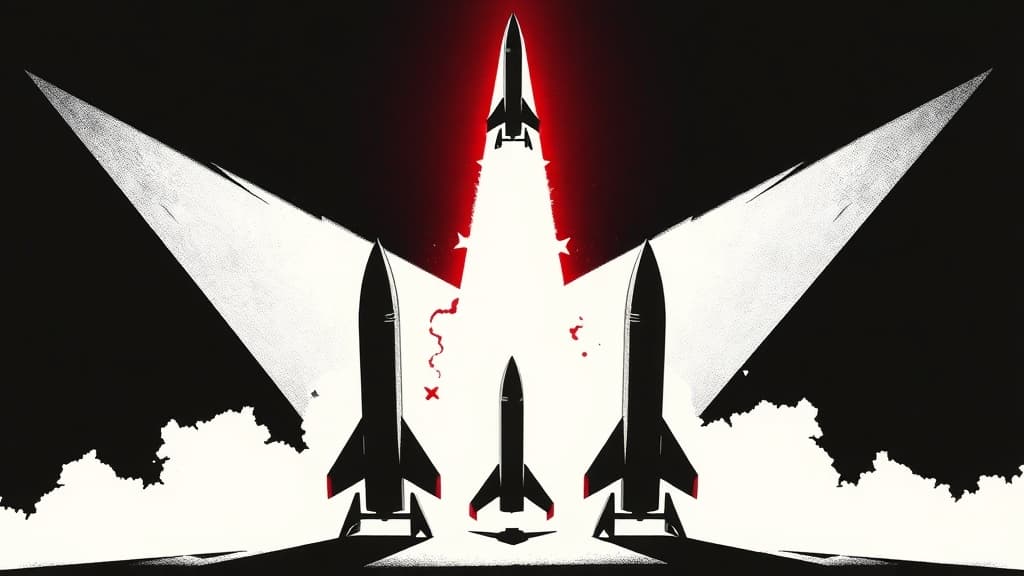
A new analysis from the Center for Strategic and International Studies lays out the damage. Before the war, the U.S. held more than 2,700 missiles across its Patriot and THAAD interceptor systems. As of this week, that number has plummeted below 1,000. Patriot interceptors alone have fallen from pre-war levels to roughly 827 — a drop of at least 65 percent. THAAD interceptors, which can hit advanced ballistic missiles at 125 miles, fell from 452 to between 232 and 262. The THAAD stockpile is still 38 percent smaller than before the war, even after modest replenishment.
The war drained stockpiles that were already running low. As the New York Post reported, American inventories were below normal before the first shot was fired because of prior transfers to Ukraine — a separate foreign commitment with no defined exit strategy. Then came Operation Epic Fury, the opening U.S. salvo that decimated Iranian launchers but consumed enormous interceptor volume in the process. Daily Iranian strikes, growing more sophisticated over time, have continued the bleed.
The consequences are not abstract. Three U.S. soldiers were killed at Muwaffaq Salti Air Base in Jordan this month when Iranian missiles broke through depleted American defenses. Eighteen service members have died in the conflict overall. Retired Marine Col. Mark Cancian, co-author of the CSIS report, warned that dwindling supplies will force commanders to make grim calculations: