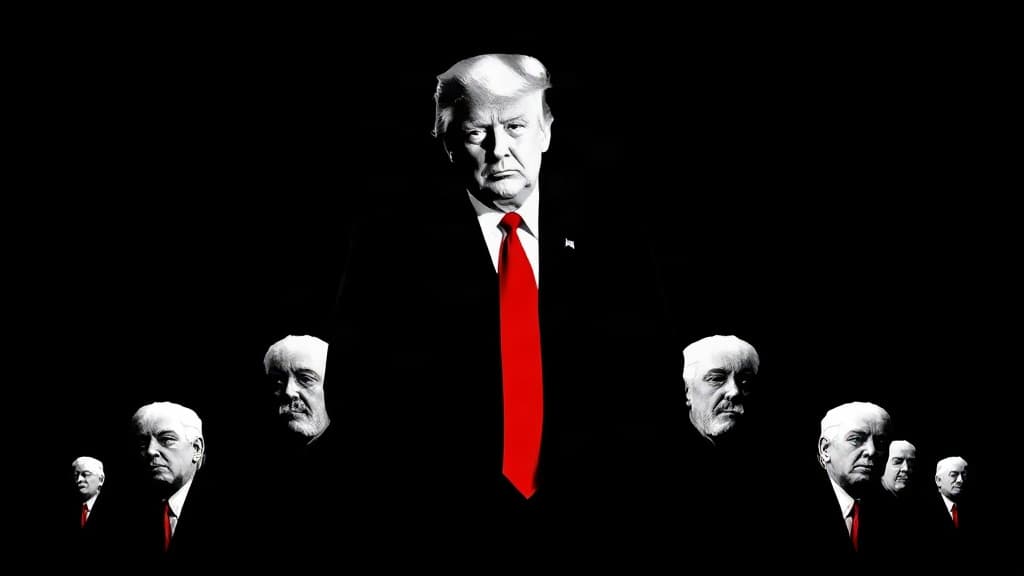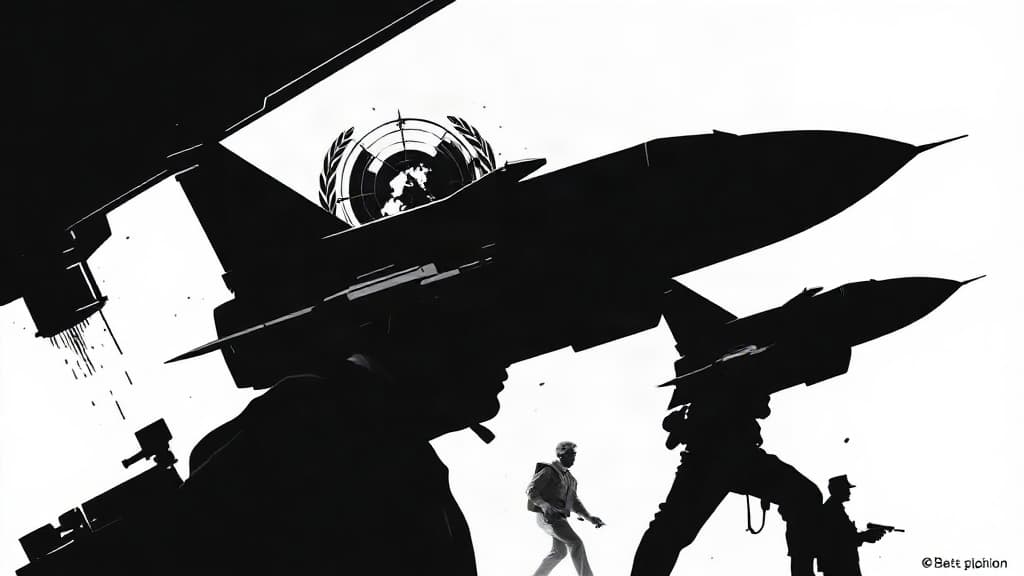
Three days after voters handed Congress to Democrats over a war they never wanted, President Trump ordered fresh strikes on Iranian air defenses and signaled more may be coming — the exact neocon playbook his base elected him to dismantle.
The midterms were a referendum on this war and the economic pain it's causing at home. Voters said stop. The establishment said more. According to Breitbart, senior national security officials presented Trump with options for "expanded military operations" at a White House meeting Thursday, while other advisers pushed negotiations and economic pressure. Trump said he would decide "soon" whether further military action was necessary. Meanwhile, CENTCOM just launched a 20-person task force called "Iron Gate" to choke off Iranian land routes for weapons and sanctioned materials. This is escalation dressed up as restraint.
Trump called the Qeshm Island strikes "minor" — "They built a little bit of an anti-aircraft device and we knocked it out in about 15 minutes, maybe five." Maybe so. But minor strikes have a way of becoming major wars. Iranian state media reports two missiles struck the island, and Iran's military claims it shot down an American MQ-9 drone over Qeshm. CENTCOM declined to confirm the drone loss but called the situation "relatively calm" — a word doing heavy lifting for a strait where 11 ships were attacked in a single week and three sank, according to the UK Maritime Trade Operations.
Then there's the rhetoric. "If we didn't hit Iran, you wouldn't have Israel today," Trump told reporters. "If they had nuclear, they would have used nuclear. They would have gone after Europe, and they would have gone after some of our cities." This is the same mushroom-cloud sales pitch that sold Iraq. It wasn't true then, and it deserves hard scrutiny now.
Meanwhile, a diplomatic off-ramp actually exists. Under Qatar's proposal, the US would lift the naval blockade — which CENTCOM says has bottled up $25 billion in Iranian crude — and release frozen Iranian assets in exchange for IAEA inspectors returning to bombed-out nuclear sites. Iran's foreign minister says he's spoken with 12 foreign ministers in 48 hours to prevent escalation. Trump himself says Tehran "wants to make a deal very badly." VP JD Vance, Steve Witkoff, and Jared Kushner are working the diplomatic channels alongside Qatari and Pakistani intermediaries.
So why the strikes? Why the new task force? Why the threat — "I would rather not destroy the rest of the country if possible, but maybe I'll have to"?
Follow the money. Who profits from a blockade that chokes $25 billion in crude and keeps oil prices — and American gas prices — elevated? Which defense contractors stand to gain from "expanded military operations"? Which senior national security officials are whispering escalation into the president's ear, and where did they work before their government appointments?
The bipartisan failure here is stark. Democrats campaigned against the war and won Congress. Republicans owned the war and lost it. The voters spoke clearly. And the war machine just keeps humming.
Trump was elected to end foreign wars, not to manage them. Every day this continues, the America-first base gets sold out to the same permanent-war class that has burned through trillions of dollars and thousands of lives since 2001. The question isn't whether a deal is possible — Trump himself says it is. The question is who's telling him he can't take it.