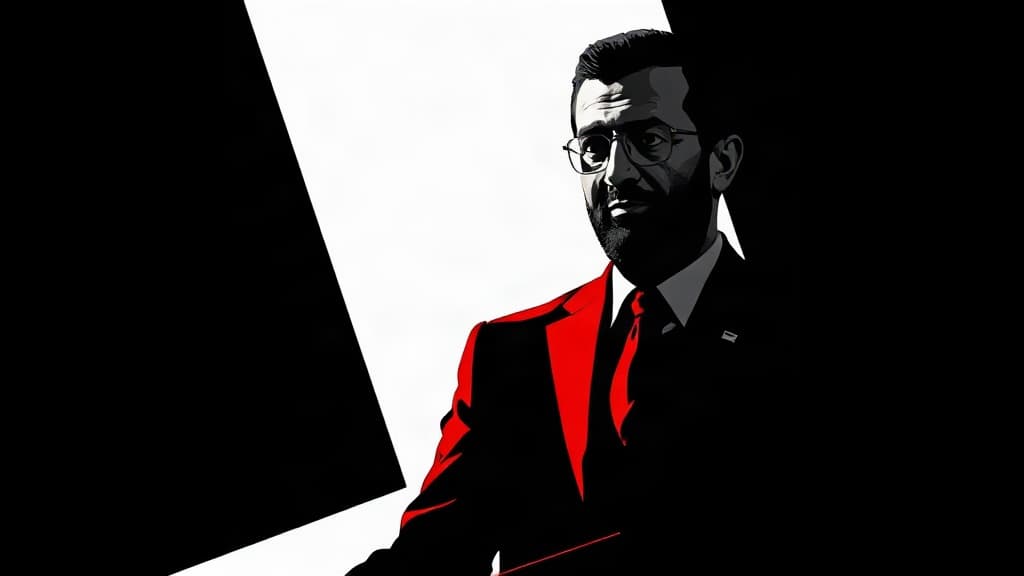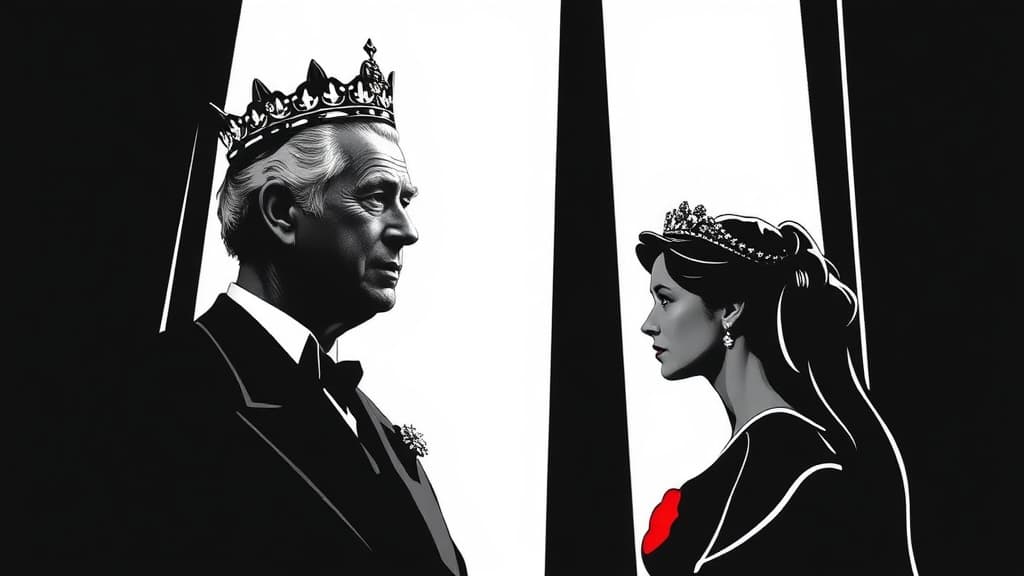
King Charles personally approved revoking Prince Harry's invitation to stay at Buckingham Palace this week, and the American press spent the day playing court chronicler—breathlessly covering a foreign family's lodging dispute while U.S. citizens in Guam and other territories still can't vote for president and barely warrant a headline.
The facts: Harry's team announced Monday he had accepted an offer to stay at the Palace during his U.K. visit for an Invictus Games countdown event. Minutes later, Buckingham Palace pulled the invitation. A spokesperson for Harry called it "disappointing" and said the offer had been "withdrawn at the last moment" after formal acceptance, according to the BBC.
The Palace tells a different story. Harry formally declined the accommodation offer on Saturday, then belatedly tried to accept it after a deadline had passed, sources told CBS News. The Palace said it needed minimum notice for staffing and security. The New York Post reported that the decision to revoke was made "in consultation with" the King himself—and that the Palace also cited the timing of Harry's privacy lawsuit verdict against the Daily Mail's publisher, expected Tuesday, as adding a "further degree of complexity." Harry's team said the Palace knew the verdict was coming this week.
CBS News framed the dispute as "confusion" and "the latest snag," soft-pedaling the King's direct involvement. The Post used sharper language—"yanked" and "rogue royal"—but buried the more substantive detail about the lawsuit's role in the Palace's reasoning.
Harry is traveling without his wife Meghan or their children, Archie and Lilibet. Plans for the family to accompany him were abandoned after his request for police protection was blocked. Harry lost a legal challenge last year against the British government's decision to strip him of automatic police protection after he stepped back from royal duties in 2020.
So here is the real question: why does any of this dominate American news cycles? A foreign monarchy's internal family spat over guest rooms and deadlines has zero bearing on the lives of working Americans. Yet U.S. citizens in Guam—a territory seized over a century ago—still lack full voting representation in Congress and cannot vote for president. The press corps that deploys reporters to track every Palace slight can't be bothered to cover that constitutional failure with anywhere near the same vigor. The founders didn't break from a king so American media could fawn over one.
The Palace controls the guest list. The American press controls the spotlight. Both are choosing poorly.