Israel and Hezbollah agreed to a ceasefire Wednesday, but Israel flatly refused to withdraw its troops from southern Lebanon — openly defying private demands from the Trump administration and leaving American taxpayers on the hook for another open-ended Middle East commitment with no exit in sight.
The ceasefire, brokered by the US and Qatar alongside a broader US-Iran memorandum of understanding, was supposed to bring what the BBC described as a "permanent cessation of hostilities." Instead, both sides kept firing even after the ink dried. Israel struck 80 Hezbollah targets overnight, killing at least 18 people according to Lebanon's health ministry. Hezbollah killed four IDF soldiers in an ambush that destroyed three Israeli tanks. The ceasefire that took effect at 4 p.m. local time is already hanging by a thread — and the bill keeps getting sent to Washington.
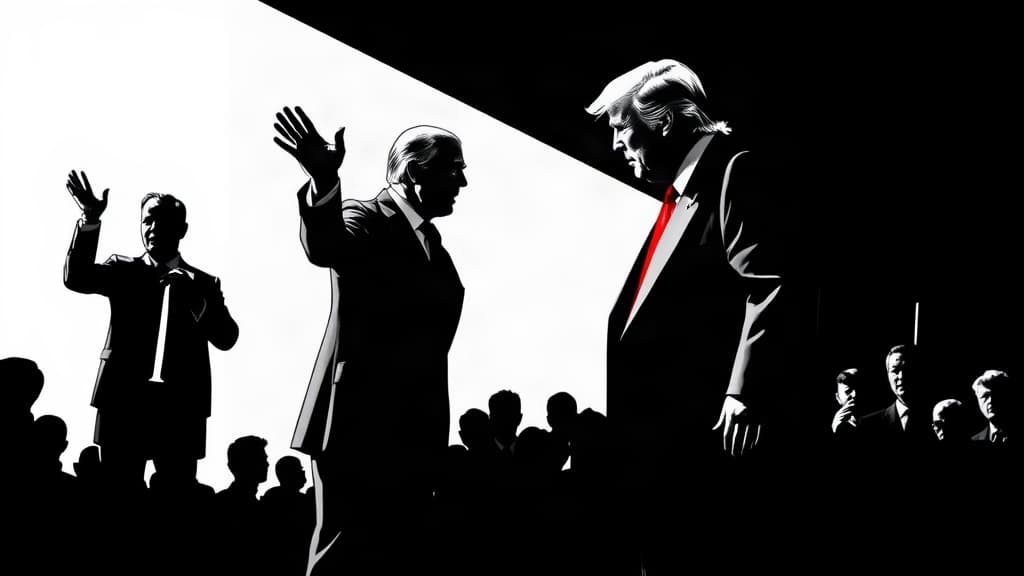
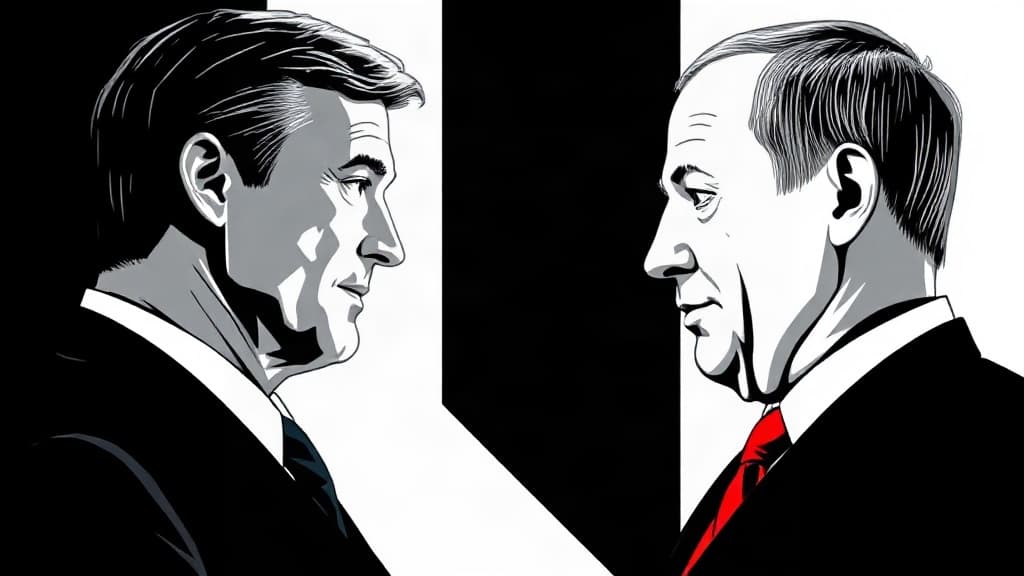
Trump publicly celebrated the arrangement, writing on Truth Social that "the United States is committed to PEACE" and encouraging the region to "allow our negotiations to beautifully unfold." Privately, it was a different story. The administration demanded Israel pull its forces from southern Lebanon and got nowhere. Netanyahu reiterated Thursday that Israel will maintain its "security zone" in southern Lebanon "as long as Israel's security needs require it," according to the Times of Israel. A senior Israeli official told Reuters that Jerusalem is "conducting stubborn negotiations" with Washington over the troop presence. The IDF published an updated map of its buffer zone the same day — a quiet dare to the White House.
The US-Iran MOU includes provisions on Iran's nuclear program and sanctions relief, with a 60-day deadline for a final settlement, the BBC reported. That means American leverage is being traded away on a clock — for a deal Israel says it isn't bound by and has no intention of honoring if it conflicts with its own security calculus.
Vice President JD Vance tried to pressure Israel by reminding officials that the US is their "only ally" — a claim HotAir noted "isn't true but is close enough for careful consideration in Jerusalem." Vance then cancelled a planned trip to Switzerland for direct talks with Iran, the BBC reported, further scrambling the diplomatic picture.
The ceasefire itself is a familiar mirage. Israel has multiple past agreements requiring Hezbollah to disarm and withdraw north of the Litani River — all accompanied by promises of UN enforcement that, as HotAir observed, "never materialized and never will materialize." Lebanon's Parliament Speaker Nabih Berri, whose Amal movement is aligned with Hezbollah, recommitted to the ceasefire, but only, per the Times of Israel, to "bolster the upcoming negotiations between the US and Iran." That's not peace. That's a tactical pause.
Israel's far-right National Security Minister Itamar Ben-Gvir made the temperature clear: "All of Lebanon must burn," he said Friday. "With all due respect to the Americans, Israel must make it clear to the entire world that the blood of our sons and the security of our citizens are not up for bargaining."
Lebanon's toll is staggering: at least 3,912 dead, 11,699 wounded, a million displaced, and entire southern communities destroyed, per Lebanon's health ministry. Israel occupies roughly 5 percent of Lebanese territory. Hezbollah has vowed to keep attacking as long as Israeli troops remain.
The BBC framed the story around Lebanese civilian suffering and Trump's criticism of Israel's conduct. HotAir framed Israel's refusal to withdraw as hard-earned pragmatism — the Israelis have learned the hard way that international guarantees are worthless. The Times of Israel focused on the diplomatic gap between Trump's public posture and his private pressure. All three agree on the central fact: the ceasefire is fragile, Israel isn't leaving, and the US-Iran deal doesn't bind Jerusalem.
Trump wants a deal. Iran wants sanctions relief. Israel wants to hold the ground it's taken. Hezbollah is already promising more attacks. The American public gets no vote on whether its money and credibility keep flowing into a conflict that every party involved has already signaled it has no intention of ending.