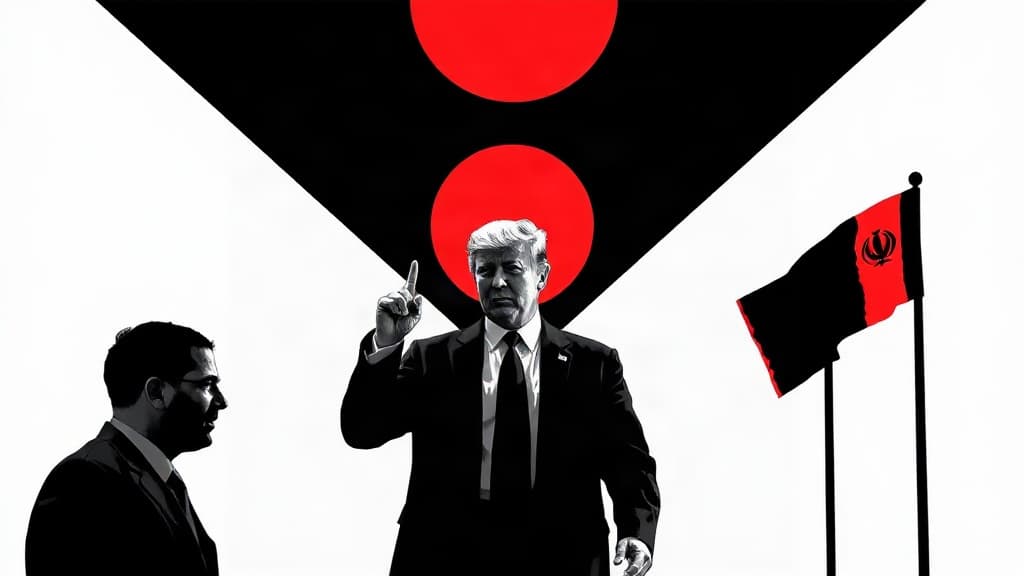
Iran kicks off a six-day funeral spectacle Saturday for slain Supreme Leader Ali Khamenei, and the American press is already calling it a show of defiance — the same kind of framing that greased the skids into every Middle Eastern quagmire that drained American blood and treasure.
This matters because the establishment media is once again doing the work of foreign interests, painting regime-orchestrated pageantry as organic national will. CNN called the procession a "colossal" display designed to show the world the Islamic Republic "not only survived an existential war, but will stubbornly immortalize its slain leader." The Guardian described it as "an epic display of personal mourning, national power, resilience and social cohesion." Notice what's missing: any serious interrogation of whether millions of mourners are turning out because they loved Khamenei or because the theocracy mobilized every government employee, university, labor union, and religious "mourning group" in the country to produce the optics. CNN itself reported that authorities launched "one of the largest logistical efforts in the Islamic Republic's history" to manufacture the crowd — then buried that admission beneath paragraphs of breathless scene-setting.
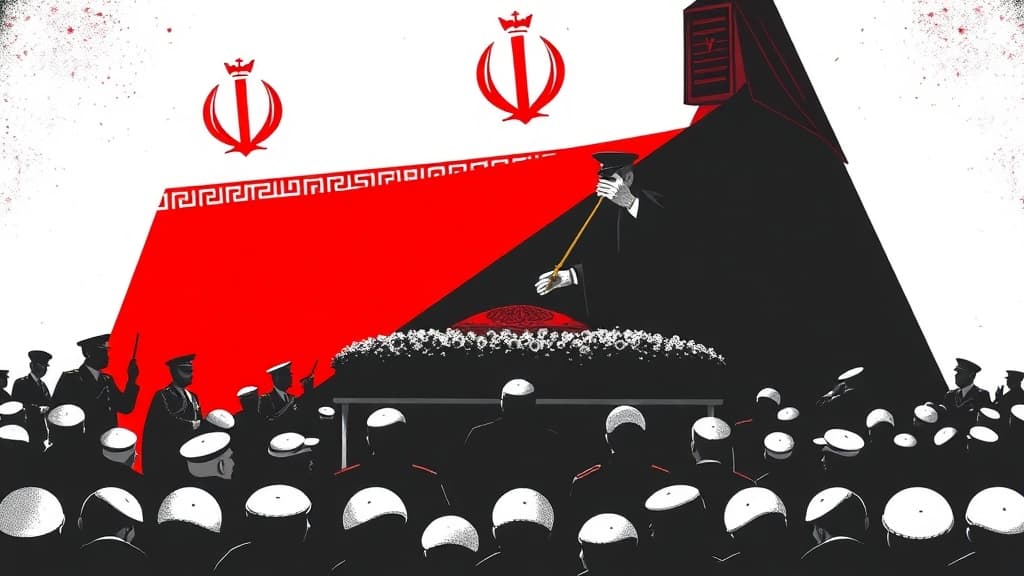
The facts on the ground: Khamenei was killed February 28 in the opening strike of the US-Israeli war. His funeral begins Saturday at Tehran's Grand Mosalla and ends Thursday with burial in Mashhad, with the body also carried through the Iraqi Shia holy cities of Karbala and Najaf at the request of Iraqi politicians. Iran's first vice-president Mohammad Reza Aref called it "the most important event of this century" and the largest gathering since the 1979 revolution.
The timing is deliberate. The body lies in state on the 250th American Independence Day. Key procession dates coincide with a major Shiite commemoration. The entire spectacle unfolds during Muharram, Islam's month of martyrdom and mourning — a period, as CNN noted, "deeply associated in Shiite Islam with mourning, betrayal and martyrdom." Khamenei's casket was draped in a red flag reading "Ya Hussein," which AP reported traditionally symbolizes "both the spilled blood of someone unjustly killed and a call for vengeance." This is regime choreography, not spontaneous grief.
Meanwhile, the new supreme leader — Mojtaba Khamenei, the slain leader's son — has been in hiding since the February strike that killed his father, his wife, and his 14-month-old daughter. The extent of his injuries is unknown. He has issued only written statements, including one distancing himself from ceasefire negotiations while sanctioning their continuance. Israel's defense minister Israel Katz publicly threatened to kill him this week. CNN suggested Mojtaba may use the funeral for his public debut. AP reported that Gen. Ahmad Vahidi, who leads the Revolutionary Guard and hadn't been seen publicly since February 8, emerged from hiding Thursday to attend a funeral planning meeting — a signal that the regime's security apparatus is reconsolidating, not crumbling.
Parliamentary speaker Mohammad Bagher Ghalibaf, who is leading Iran's negotiations with the US, published a message Thursday calling on Iranians to "raise the cry for the nation's blood to the world" and promising "an epic feat that will show the greatness of a nation's spirit." That's not the language of a government seeking de-escalation. That's a regime using a funeral to rebrand a military defeat as martyrdom.
The same American press that swallowed every claim about Iraqi WMDs is now transmitting Iranian state messaging with a fresh coat of paint. The question isn't whether Tehran can stage a crowd — it's whether Washington will take the bait again.