War Secretary Pete Hegseth is pushing out the commanding general of U.S. Army forces in Europe and Africa — the latest signal that the Trump administration intends to stop staffing a permanent American security guarantee for a continent that won't defend itself.
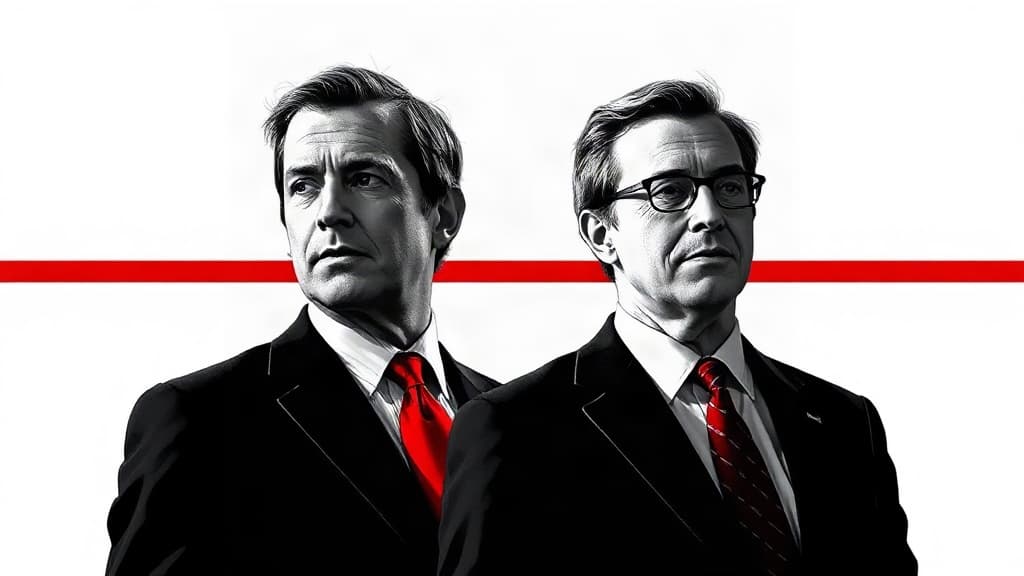
Gen. Christopher Donahue will relinquish command July 2 after just 18 months on the job, the Army confirmed. His deputy, Maj. Gen. Christopher Norrie, takes over in the interim. The real story isn't the man leaving — it's the post itself being downgraded from four stars to three, a deliberate shrinking of the U.S. military footprint in Europe that should have happened years ago.
Donahue, 56, is best known as the last American soldier to depart Afghanistan in August 2021, a moment captured in widely circulated night-vision imagery. The New York Post reported that Pentagon insiders called that scene a "photo op," with one source questioning whether Donahue was actually the final American out, noting a U.S. helicopter visible in the background of the images. Another source claimed top Hegseth staffers accused Donahue of using space on evacuation aircraft for memorabilia he intended to donate to museums. The Post said it could not independently verify that claim.
The Guardian framed the departure as part of a broader purge, noting nearly two dozen senior military leaders have retired or left early under Hegseth — casting the secretary's "less generals, more GIs" mantra as politically motivated house-cleaning. The Post, by contrast, emphasized internal Pentagon dysfunction, reporting that Donahue was "tired of dealing with the static" of working under Hegseth and Gen. Christopher LaNeve, the Army chief of staff who replaced Gen. Randy George after Hegseth dismissed him in April. One Post source called LaNeve "very political" and said he "knows Pete is playing to an audience of one in the president."
What neither outlet disputes is the structural shift underneath the personnel drama. Hegseth told NATO allies last week that the Pentagon will conduct a six-month review of American forces in Europe, designed to ensure the alliance is "moving fast and irreversibly toward Europe leading, stepping up to take primary responsibility for the defense of Europe." He added: "It's a review that some countries will fail and others will pass with flying colors."
That is the sentence that matters. For decades, American taxpayers have footed the bill for a continental defense umbrella that lets European governments underfund their own militaries and redirect savings into generous domestic programs. Downgrading U.S. Army Europe and Africa from a four-star billet is a concrete step toward ending that subsidy — not a personality clash, not a purge, but a long-overdue realignment of American resources toward American interests.
The open question is whether NATO allies will actually step up, or whether the permanent Washington class will find a way to restore the status quo the moment this administration leaves.