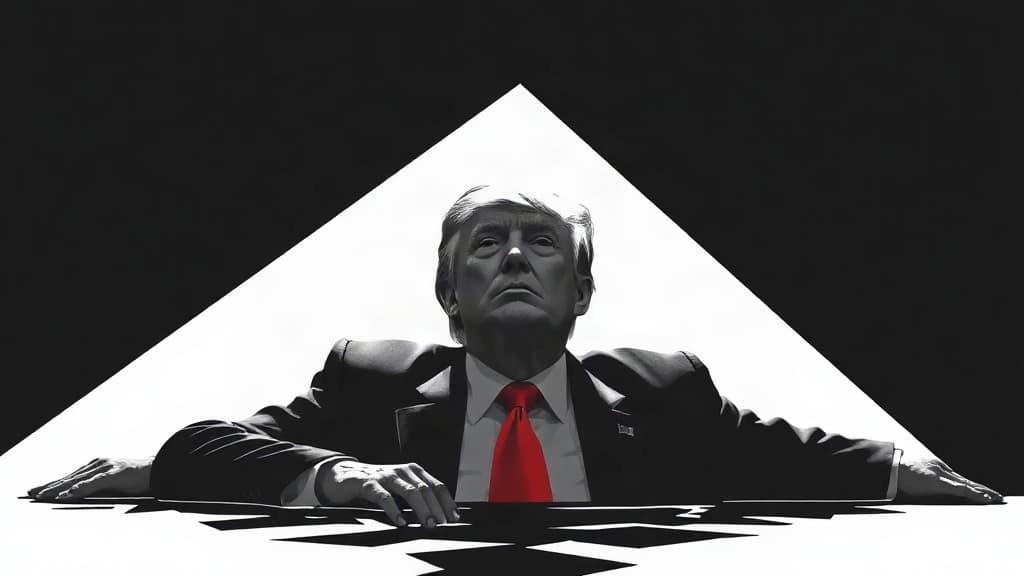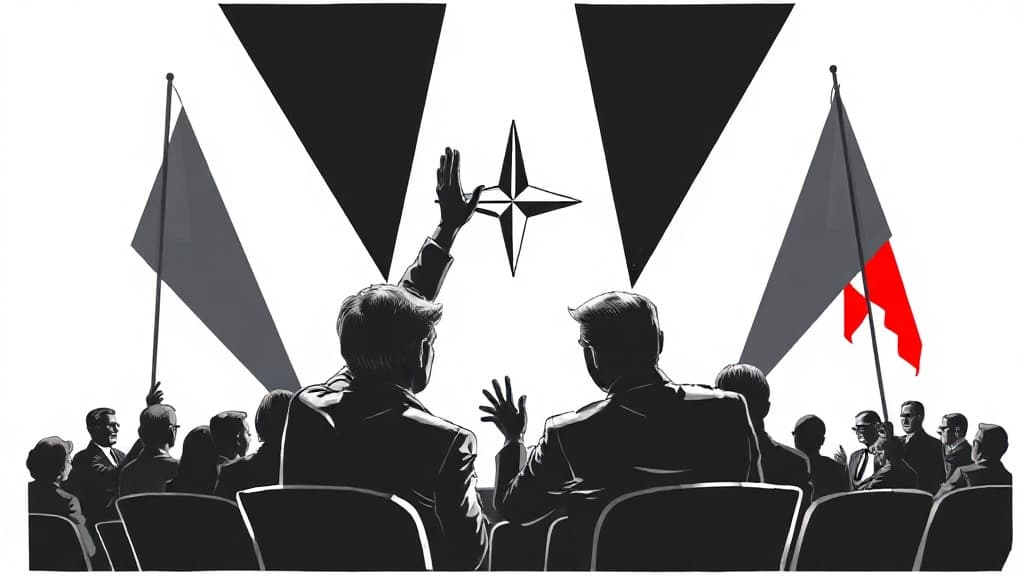
NATO leaders gather in Ankara this week for a summit that should force one obvious question — why does American blood and treasure still underwrite European security? — but you won't hear it from the establishment press, which is too busy treating the whole affair like a diplomatic cocktail party.
The stakes for ordinary Americans are direct: troops stationed overseas, billions in military commitments, and a long line of European nations happy to let Washington carry the load. NATO Secretary-General Mark Rutte has made keeping the United States inside the alliance his primary mission, and his strategy is pure sycophancy. At a White House meeting last month, Rutte unveiled a chart labeled "The Trump Trillion" in gold letters, crediting the president with $1.2 trillion in additional defense spending by European allies and Canada since 2017. He called Trump the "leader of the free world" and highlighted tens of thousands of U.S. jobs created and a $300 billion backlog in European weapons orders.
Trump's response was blunt: "We don't need their money — we don't need anything. I just want loyalty." He noted he might have skipped the summit entirely were it not being hosted by Turkish President Recep Tayyip Erdogan.
Both AP and DW framed the summit as a test of alliance unity and Rutte's flattery as savvy statecraft. AP described Rutte's pitch as "carefully choreographed" and noted he has spent "a huge amount of energy just to keep the United States inside their alliance." DW called his approach an effort to "emphasize the benefits NATO brings to the US." Neither outlet paused to ask whether those benefits justify the cost to Americans — or whether Europeans should simply defend themselves.
DW quoted Claudia Major, a trans-Atlantic security expert at the German Marshall Fund, who said leaders would be "looking to please Trump and to make a case for NATO." The German Marshall Fund is itself a product of the trans-Atlantic lobbying ecosystem — funded to sustain the very relationship it claims to analyze objectively. Follow the money: Rutte is expected to unveil what he calls a "defense industrial revolution" at the summit, including tens of billions in new procurement deals. Weapons contractors on both sides of the Atlantic stand to profit handsomely.
Defense Secretary Pete Hegseth drove the pressure home at a June 18 meeting in Brussels, announcing a review of U.S. troop deployments in Europe. "We're going to keep a close eye on allies who are not doing their part," Hegseth said. "It's a review that some countries will fail, and others will pass with flying colors." German Defense Minister Boris Pistorius warned against creating military shortfalls — a telling admission that Europe still relies on Washington to fill the gap.
AP noted that NATO's real problem is no longer just spending pledges but turning money into actual military capability. That concession buries the lede: decades of promises, and Europe still can't stand on its own.
The summit will showcase unity. The real question is whether Trump will accept the flattery or finally force Europe to pay its own way — and whether anyone in the press will bother to ask.