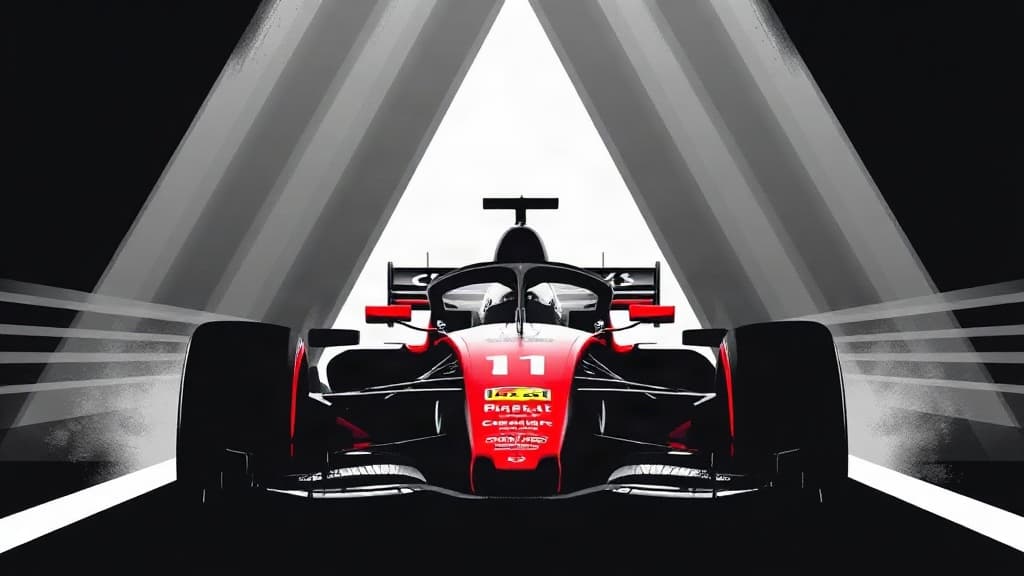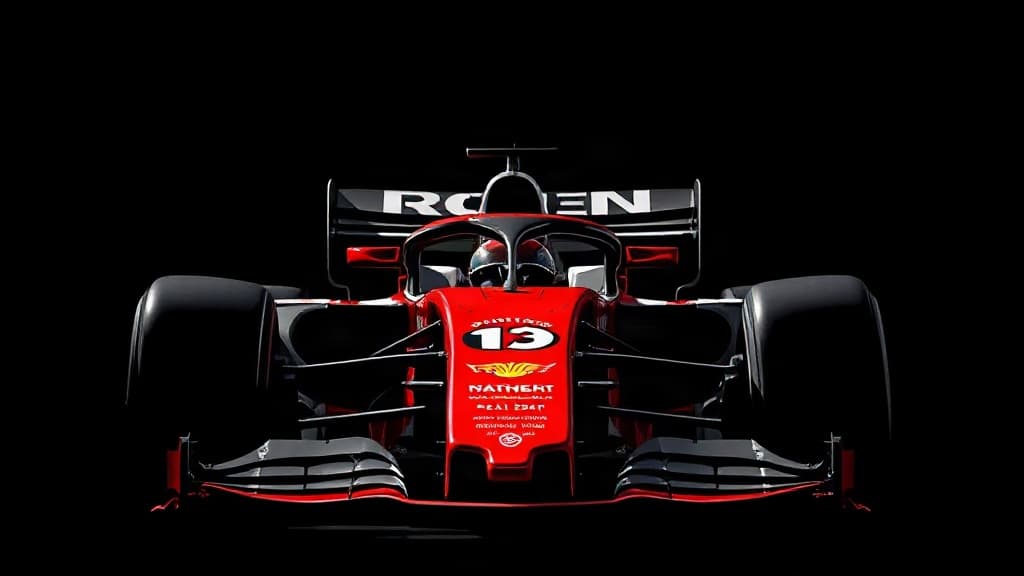
Lewis Hamilton put Ferrari on top of the timesheets at Circuit of the Americas on Saturday, but the real story is how Formula 1's European establishment treats Austin like a colonial outpost—extracting American dollars while burying the American entry.
The global racing series rolled into Texas this weekend with its usual pomp, and both Formula 1's official site and Motorsport.com covered it like an expedition to the provinces. The results dominated the copy. The one American angle in the paddock barely rated a line.
Hamilton's 1m34.893s lap on soft tires was the only time to break the 1m35s barrier in the final 20 minutes of FP3, putting him 0.168s clear of Red Bull's Max Verstappen and 0.234s ahead of Ferrari teammate Charles Leclerc. It completed a practice clean sweep for the Scuderia, with Leclerc having topped both Friday sessions. Mercedes filled out the top five with Kimi Antonelli fourth and George Russell fifth.
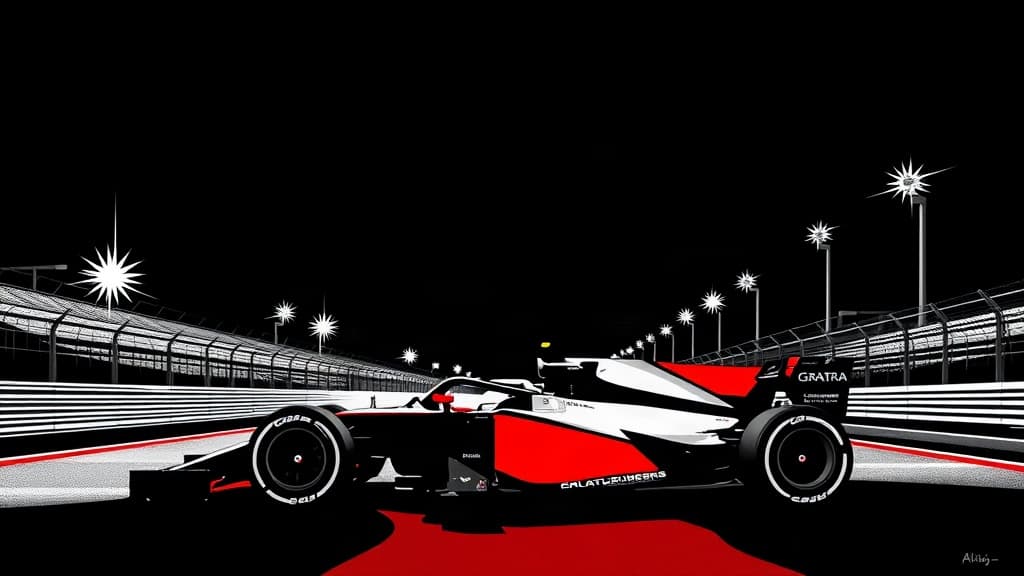
But here is what the European outlets glossed over: Cadillac—the American squad—gave American driver Colton Herta a run in Friday's FP1, with Sergio Perez sitting out that session. Formula 1's official report buried the detail in a subordinate clause. Motorsport.com didn't mention Herta or Cadillac at all. The only American-flagged operation in the series, on American soil, and the continental press treated it as a footnote.
Track limits violations consumed the weekend, with a staggering 128 laps deleted in FP2 alone, per Formula 1's report. Leclerc, Norris, and Antonelli all had times scrubbed Saturday for exceeding track limits—European stewards penalizing drivers on American asphalt. Motorsport.com called the opening quarter of FP3 "pedestrian"; Formula 1's official site opted for the more diplomatic "relatively quiet."
Verstappen spent the session complaining about his car's unsettling downshifts on team radio, according to both outlets. Audi's Nico Hulkenberg had a pit lane incident with Aston Martin's Lance Stroll that stewards confirmed would be investigated after the session. Leclerc warned against "high expectations" despite his Friday pace, noting rivals had more "to unlock"—a warning that proved accurate when Hamilton and Verstappen surpassed his times.
The broader picture is plain. Formula 1 comes to America to collect revenue from American fans, American sponsors, and American venues. Then its press corps treats the American entry as a curiosity and the American host city as a province worth visiting only for the take. Cadillac's presence on the grid should be the story of the weekend. Instead it's an afterthought.
Hamilton may own the timesheets, but the open question remains: when does Formula 1 start treating the American market as something more than an ATM—and the American entry as something more than a prop?