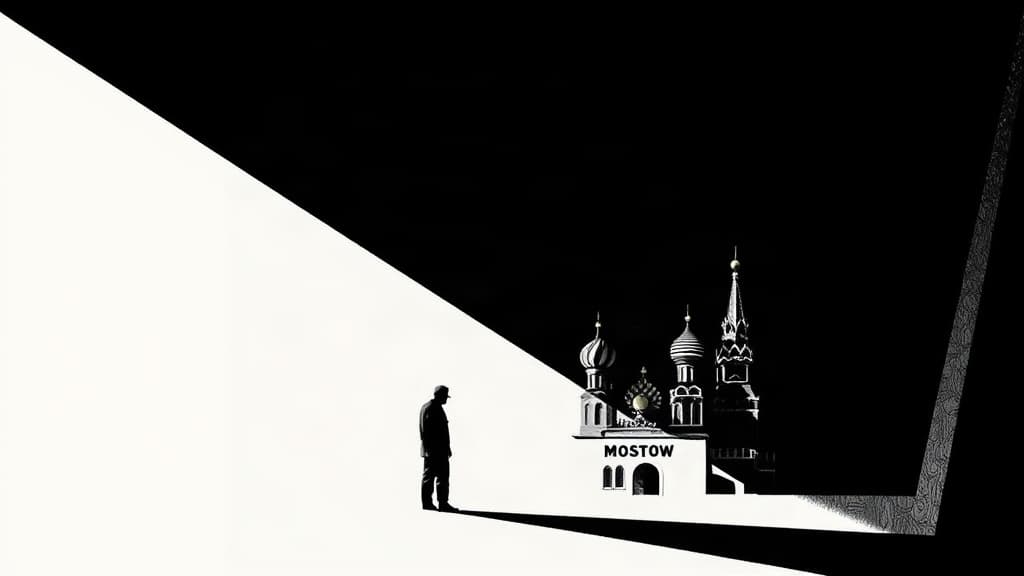
CIA Director John Ratcliffe flew to Moscow on an unannounced visit Tuesday, met with Russian intelligence brass, and flew home — and the American people are expected to just trust that whatever was discussed in secret serves their interests.
The trip, first exposed by public flight-tracking data showing a U.S. government C-17 Globemaster from Andrews Air Force Base to the Russian capital, marks the first known visit by a CIA director to Moscow since Bill Burns made the trip in late 2021 trying to head off the Ukraine invasion. That history is exactly why this matters: the last time a spy chief made this run, war followed within months. The American public deserves to know what deal is being cut this time before they're asked to pay for it.
Kremlin spokesman Dmitry Peskov confirmed Wednesday that Ratcliffe met with Russian intelligence services — not President Vladimir Putin — for peer-to-peer talks. "I can only tell you that there were contacts through the intelligence services. I can assure you there were no meetings with the Russian president," Peskov said, per Breitbart. Putin was briefed on the talks, Peskov added, but said it was "too early to say how much this will impact the overall process of bringing our bilateral relations out of the deep crisis they are in."
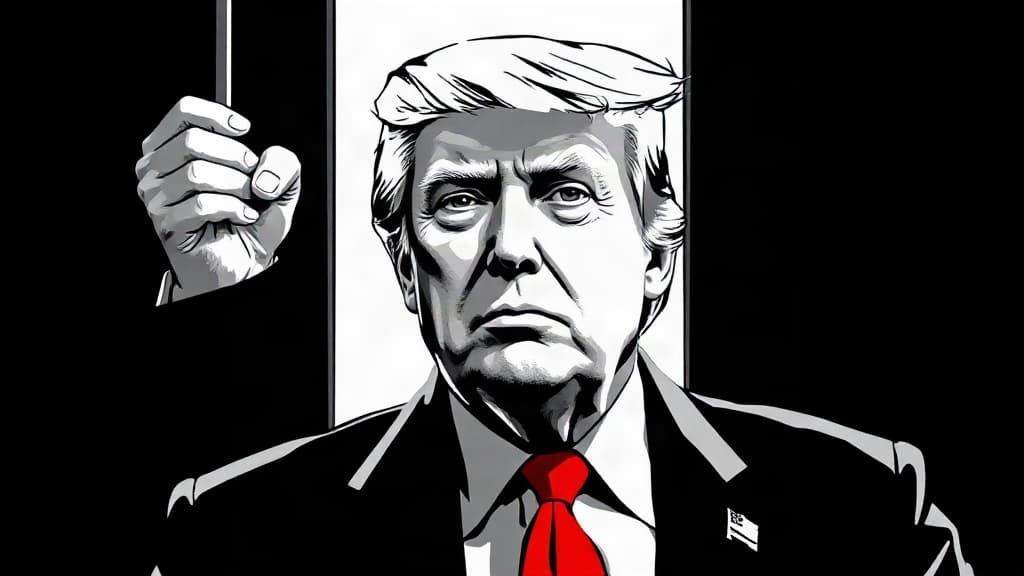
President Trump, asked by Glenn Beck whether Ratcliffe went to warn Putin against testing NATO resolve or to discuss Iran sanctions, played it casual: "Well, none of the above. He's there, you know, on very sort of semi-routine — I hate to disappoint people." Trump then pointed to Ukraine peace efforts: "We would like to see the war with Ukraine end. That's a war would have never started, Glenn."
That's a lot of words to say nothing. The CIA, Pentagon, Air Force, and White House all declined to comment, according to HotAir. When every spook in Washington clams up, the default assumption shouldn't be trust — it should be scrutiny.
The speculation runs in two directions. One camp thinks Ratcliffe delivered a warning about potential Russian provocations against NATO targets. Former deputy director of national intelligence Beth Sanner told the Wall Street Journal the message could have been: "We know what you are thinking about doing, and you better not." The other camp points to Iran. Trump's Operation Economic Outcast aims to choke Tehran by severing its economic lifelines to Moscow and Beijing. HotAir notes that Professor Sam Greene of King's College London argues "Iran is the only foreign policy issue that Trump can afford to care about right now," given rising gas prices threatening the midterms. Follow the money: getting Russia to cut military supplies to Tehran could crack open a deal to reopen the Strait of Hormuz and lower prices at the pump.
The logistics alone tell you this wasn't routine. Ukraine was reportedly asked to ground its drone attacks on Russia for the duration of the visit to keep the skies clear, per Breitbart. The flight transited through Riga, Latvia — home to a major NATO command — before proceeding to Moscow. And the aircraft flew with transponders on, meaning they weren't trying to hide. They just didn't want to tell you about it.
European leaders are reportedly spooked, with HotAir citing a "dangerously febrile atmosphere" and an uptick in sabotage attacks. When your allies are panicking and your adversaries are briefing the press before you are, the problem isn't the messaging — it's the policy.
Here's the bottom line: an unelected intelligence chief jetted to an adversary's capital to discuss God-knows-what, and the only reason we know is because some plane spotters tracked a C-17 on Flightradar24. Whatever Ratcliffe promised or threatened in that room, Americans will foot the bill — in aid, in risk, in whatever commitment gets made without their consent. The intelligence community works for the public, not the other way around. It's time they acted like it.
The open question isn't what Ratcliffe said in Moscow. It's why the people who'll pay for the consequences are always the last to know.