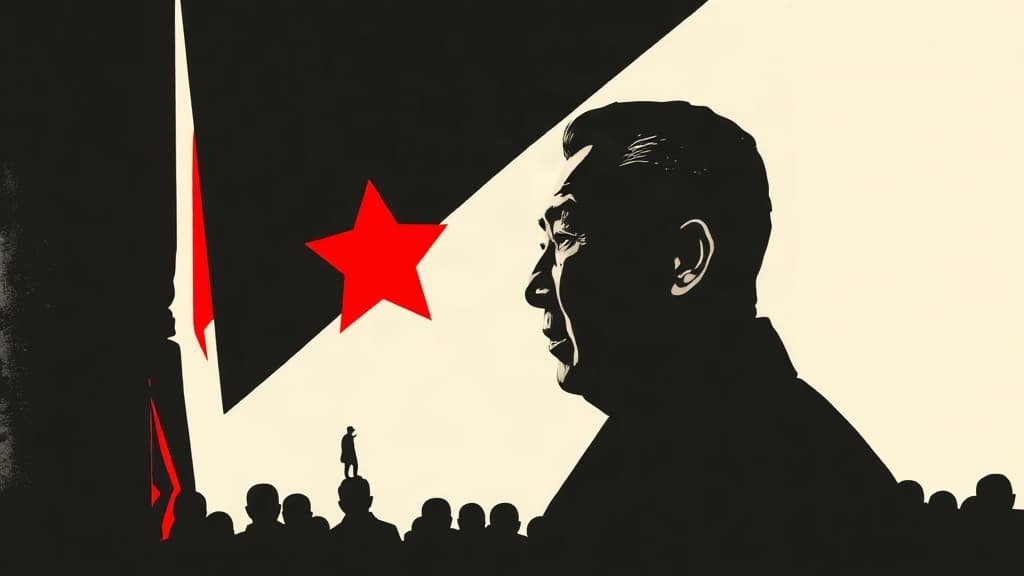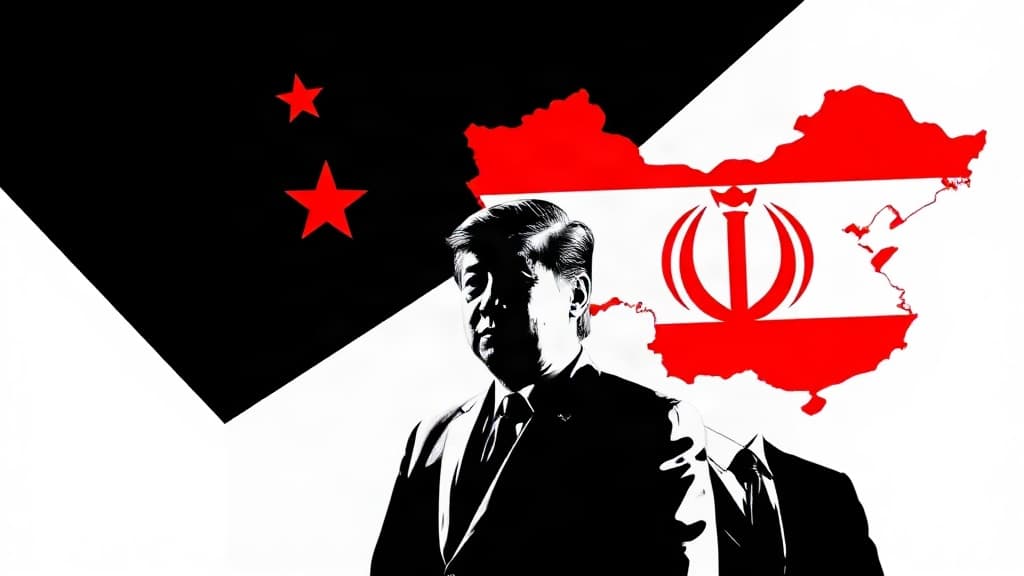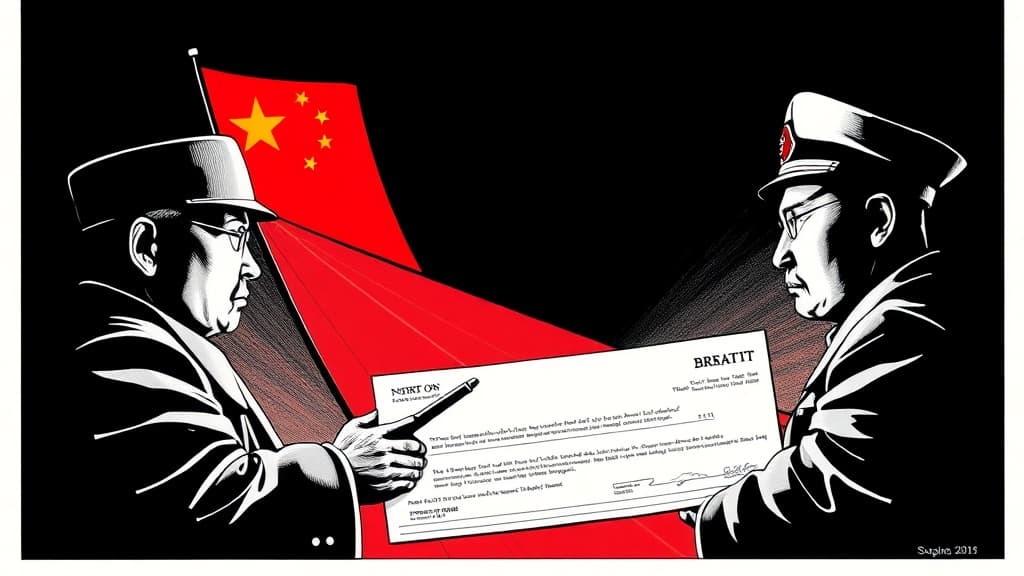
While Washington writes blank checks for foreign wars that don't serve American interests, our actual geopolitical adversaries are publicly consolidating their alliance, with Chinese President Xi Jinping hosting North Korean Premier Pak Thae-song in Beijing on Friday to cement a mutual defense pact.
The high-level meeting ahead of the 65th anniversary of the Sino-North Korean Treaty of Friendship, Cooperation, and Mutual Assistance exposes a bipartisan foreign policy failure: ignoring real threats to chase imaginary ones. While our leaders drain the treasury backing overseas commitments with no exit strategy, China and North Korea are shoring up their power.
Footage aired by Chinese state broadcaster CCTV confirmed the Friday meeting. Pak arrived earlier in the day for a three-day visit at the invitation of China's Communist Party, according to UPI News. The treaty, originally signed in 1961 by Kim Il-sung and Zhou Enlai, is being celebrated with the gravity typical of socialist regimes marking major five- and 10-year intervals.
This is not just a ceremonial handshake. Pyongyang elevated the rank of its chief delegate to premier for this trip—a noticeable upgrade from the vice chairman who led the delegation in 2019. It also marks the first time in seven years that a North Korean government delegation has been dispatched to Beijing specifically for the treaty anniversary, as South Korea's unification ministry noted. The ministry said it will "closely monitor" the developments.
The diplomatic groundwork was laid last month when Kim Jong-un and Xi held summit talks in Pyongyang. At that time, the two leaders vowed to strengthen bilateral ties through expanded exchanges across multiple sectors, from economy to culture, as well as more frequent high-level visits. Xi stressed the importance of marking the anniversary, fueling speculation of a grand-scale event.
In Washington, foreign aid is treated as an obligation rather than a choice. Permanent Washington and the lobbying class demand every overseas commitment gets funded without question, treating foreign spending as a moral imperative rather than a competition with the needs of ordinary Americans. Both parties agree on these blank checks, and that is exactly where the public gets sold out. Meanwhile, nations acting in their own hardline interests—like Beijing and Pyongyang—are upgrading their alliances and signaling to the world that their mutual defense pact is alive and well.
The open question is how long Washington will continue to sell out the American public to fund global sideshows while our primary adversaries build a coordinated front right in the open.