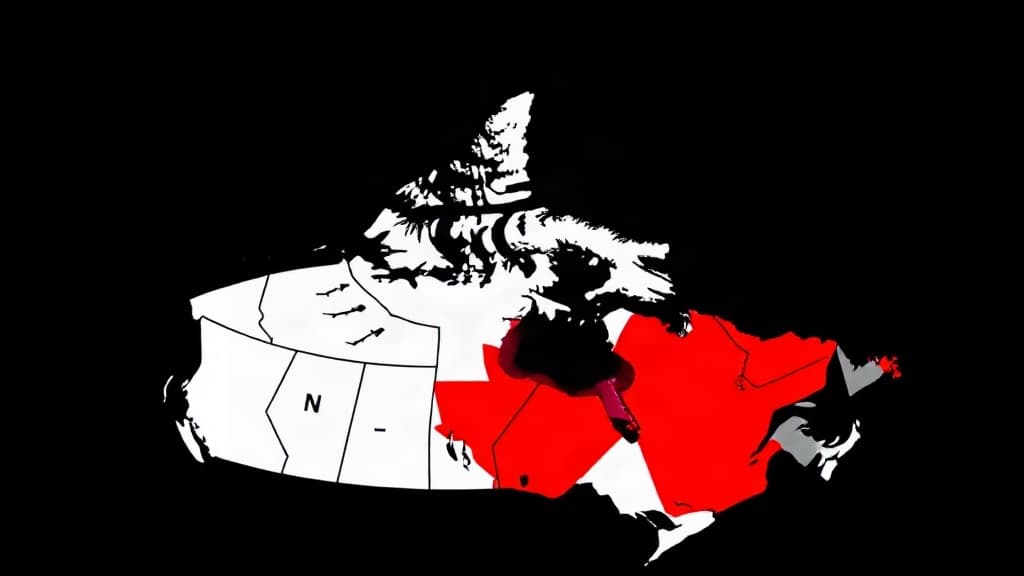
Canadian Prime Minister Mark Carney and French President Emmanuel Macron struck a deepening strategic partnership this weekend on defense, energy, and critical minerals — a move that signals Ottawa's accelerating break from reliance on the United States, and one that should save American taxpayers from footing the bill for allies who'd rather go their own way.
The two leaders met Sunday on the remote French archipelago of Saint-Pierre-et-Miquelon off the coast of Newfoundland, where they agreed to expand cooperation across aerospace, energy, telecommunications, critical minerals, and advanced technologies including quantum computing, satellites, and supercomputing. Carney said the countries will task their space agencies and defense ministries to develop and share infrastructure, including launch systems and ground-based reception facilities.
The meeting comes days after Carney embraced the prospect of Canada becoming the European Union's first associate member, saying closer continental ties would ensure "no country could control Canada's markets or undermine its sovereignty," according to Breitbart. That is a direct shot at Washington — and a welcome one for American workers who've watched their tax dollars underwrite the defense of nations that treat this country as a market to be protected, not a partner to be respected.
President Trump's tariffs, demands for economic concessions, and repeated talk of making Canada the 51st state have pushed Ottawa to reduce its dependence on its southern neighbor. The Atlanta Journal-Constitution framed the pivot as a natural broadening of partnerships; Breitbart noted the explicit cause — Trump's pressure — and the energy dimension the AJC largely buried.
That energy angle matters. Macron said the talks are part of broader efforts to secure French oil and gas supplies as the war with Iran disrupts global markets. "Canada is a country with significant resources of critical minerals and rare earths. It is also a major oil and natural gas producer," Macron noted, saying France wants agreements to secure more liquefied natural gas shipped to Europe's Atlantic coast. So Europe needs Canadian energy — and wants American taxpayers to keep guaranteeing the sea lanes and security architecture that makes the trade possible.
The meeting also follows Trump's announcement of a deal on Greenland that expands the U.S. military presence while keeping the island under Danish control. Macron welcomed the agreement, saying Danish sovereignty and international law are being respected. Translation: Europe got what it wanted on Greenland and is still shopping for alternatives to American dependence.
Here is the bottom line. If Canada and France want to build their own defense infrastructure, launch their own satellites, and cut their own energy deals, that is their right — and it is in America's interest. For decades, the U.S. has subsidized European and Canadian security through NATO commitments and forward deployments while those nations spent their money on domestic priorities. An America First posture says: do it yourselves. No blank checks, no permanent deployments, no guarantees underwritten by working Americans.
The open question is whether Canada and Europe will actually fund their own defense at scale, or whether this partnership is another round of coordination that still assumes an American backstop. Watch the budgets, not the press conferences.