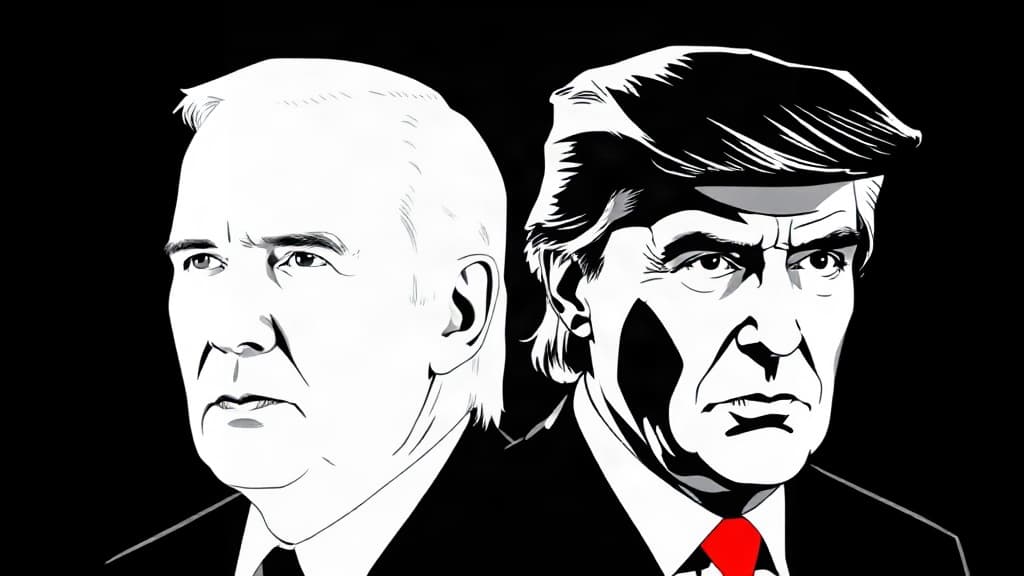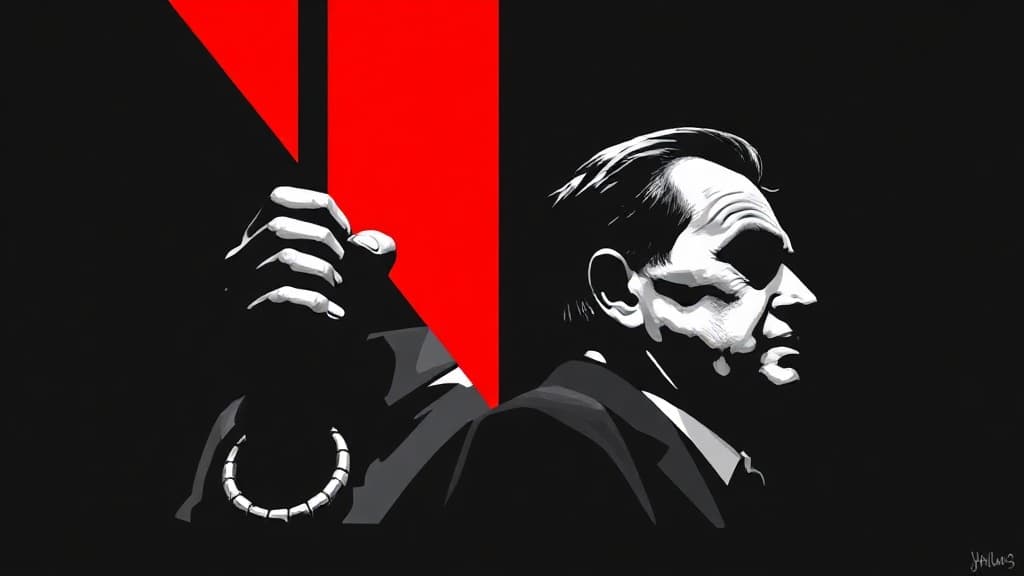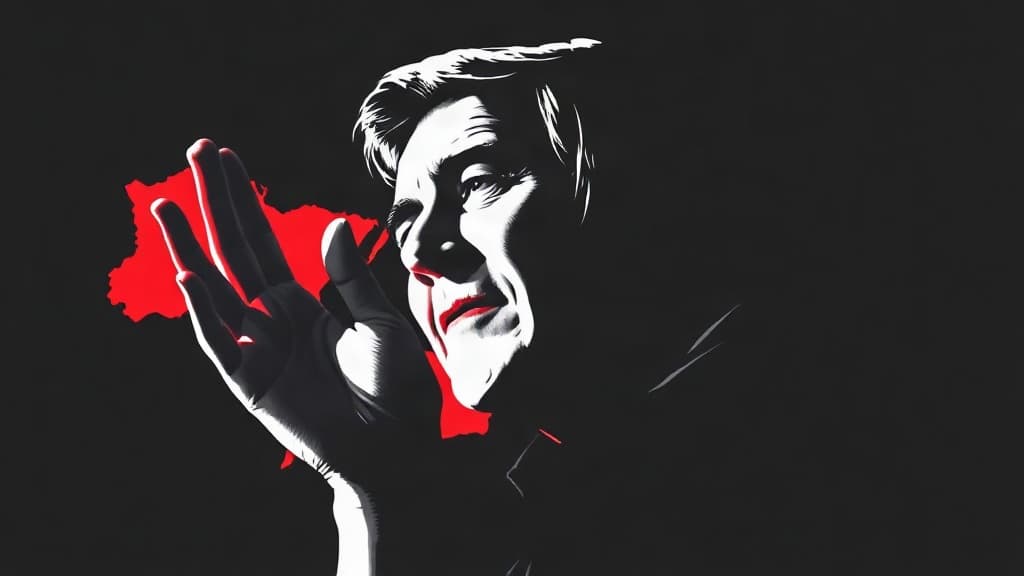
Brazil votes Sunday in a presidential showdown between an 80-year-old leftist incumbent who drove national debt up 10% and a 45-year-old conservative senator promising fiscal discipline — and the same welfare-state rot hollowing out Brazil's middle class is being imported to America under the banner of "progress."
The race between President Luiz Inácio Lula da Silva and Sen. Flávio Bolsonaro, son of imprisoned former President Jair Bolsonaro, has become a referendum on whether a country can survive bloated social spending, crushing taxes, and structural debt. Brazil's debt-to-GDP sits at 81.9%, up 10% since Lula took office, CNBC reported. The tax burden is already the highest in Latin America at 32%. Roughly 90% of the federal budget is mandatory spending. Sound familiar?
Lula, who spent more than a year in prison on corruption convictions before they were annulled, has seen his approval ratings crater to 24%, the Los Angeles Times reported. Voters are fed up with crime and the cost of living. His pitch: continue the Bolsa Familia welfare program, protect the Amazon, and ensure Brazilians benefit from the country's rare minerals. More of the same.
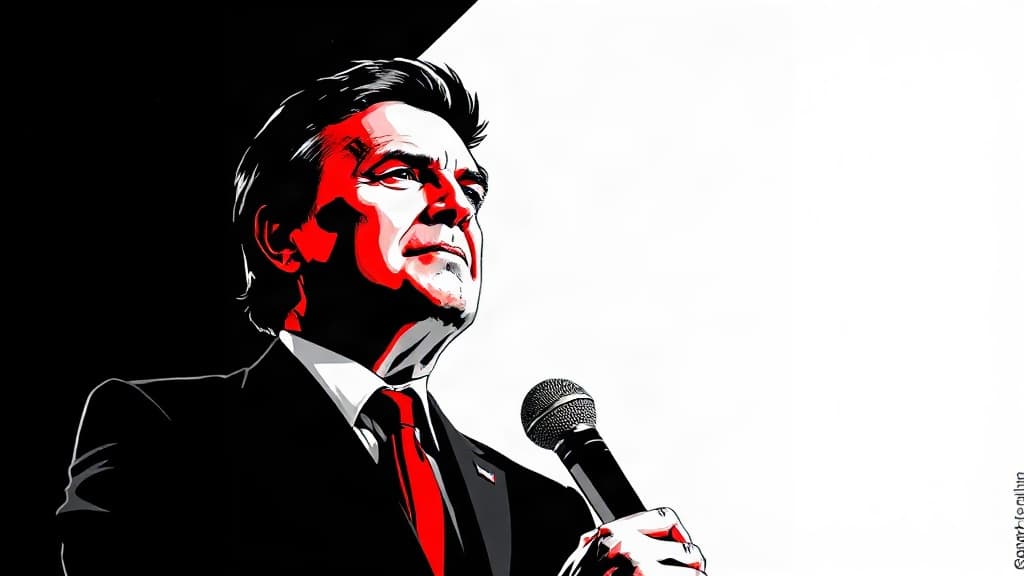
Flávio Bolsonaro is running on his father's legacy — and the elder Bolsonaro's record is the one Wall Street likes. When Jair Bolsonaro pushed through pension reform imposing a minimum retirement age of 65 for men and 60 for women — replacing a system where men retired at 56 on average and women at 53 — Brazil's equity market gained 130% and 2-year yields fell to 4.7%, according to CNBC. JPMorgan analysts say if Flávio wins and implements a "robust reform agenda," MSCI Brazil could see upside between 21% and 41%.
Prediction markets on Kalshi show Bolsonaro favored at 60% to Lula's 39%, though prediction markets are prohibited in Brazil and may not reflect local sentiment. JPMorgan noted the MSCI Brazil "rose by 0.25% on average each day that Flavio gained in the polls."
The establishment press is framing this as democracy versus barbarism. Lula told supporters in Sao Paulo that the race is a choice between "democracy and sovereignty" on one side and "barbarism and corruption" on the other, SFGATE reported. This from a man who was literally convicted of corruption before those convictions were tossed.
Lula's team has cast Flávio as a threat to Brazil's sovereignty over his ties to President Trump. Last year, Trump slapped a 50% tariff on Brazilian imports over Jair Bolsonaro's trial, which Trump called a "witch hunt." The Los Angeles Times described the elder Bolsonaro's 27-year sentence for a "coup attempt" after he questioned Brazil's electronic voting system — the same system adopted in the 1990s because paper ballots were routinely "stuffed or stolen," the paper acknowledged, before dismissing concerns about the machines as "unfounded."
Flávio Bolsonaro told supporters he's "convinced that we can win in the first round." If no candidate clears 50%, the race goes to a runoff October 25.
Citi's Brazil head economist Leonardo Porto says the country needs a "permanent fiscal adjustment" of 3 to 3.5% of GDP — spending cuts or tax hikes in a nation already taxed to the breaking point. That's the structural trap: mandatory spending consuming the budget, debt climbing, and the political class offering welfare expansion instead of reform.
The question isn't just whether Brazil can break out. It's whether Washington will repeat the same mistakes.