A naval drone struck an oil tanker off the Russian resort city of Sochi, igniting a massive blaze on the Black Sea, while separate coordinated drone attacks sank a cargo ship and damaged another inside the exclusive economic zone of NATO member Bulgaria — another rung up the escalation ladder that could eventually drag American forces into a conflict Congress never authorized.
The Black Sea is becoming a free-fire zone for drone warfare, and the front line just touched a NATO member's waters. That matters because Article 5 commitments mean any miscalculation at sea becomes an American problem — and an American bill — fast.
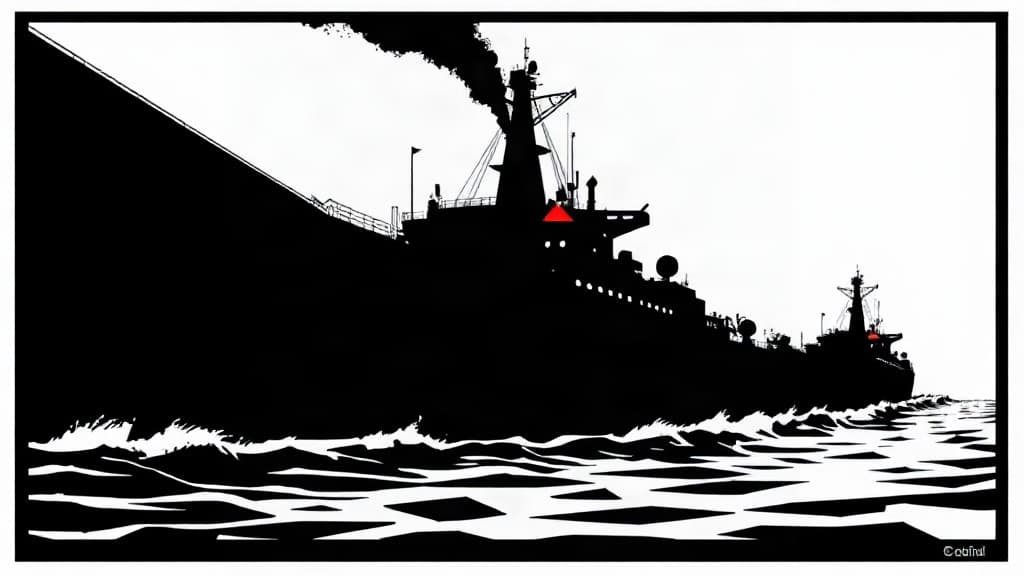
Russia's transport ministry confirmed that a Liberian-flagged tanker was attacked off Sochi, with crude oil "burning openly in the waters of the Black Sea." All 23 crew members, Indian citizens, were rescued. There was no claim of responsibility, and Kyiv offered no comment.
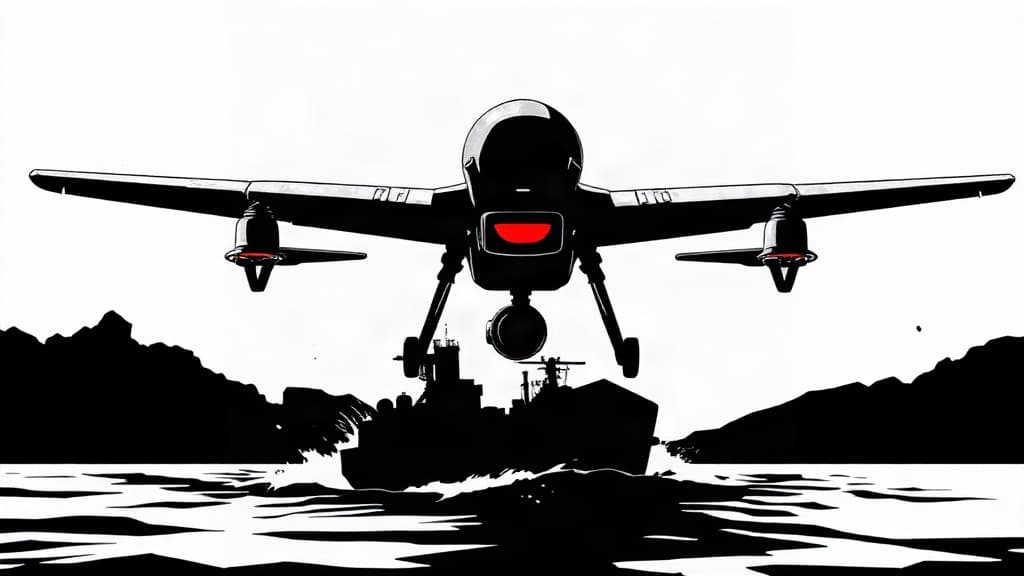
But the more dangerous strike came roughly 70 nautical miles off Bulgaria's coast. Two commercial vessels were hit by what appeared to be a coordinated air-and-sea drone attack inside Bulgaria's exclusive economic zone. One vessel, identified by British maritime risk group Vanguard as the cargo ship Alfa Watan, suffered catastrophic damage and sank. Its crew is missing. A nearby Bulgarian ferry diverted to the scene and found an overturned lifeboat, life rafts, and life jackets floating in the debris. A second vessel was set ablaze.
Bulgarian Prime Minister Rumen Radev called it "a gross, flagrant violation of international law" after an emergency government meeting.
Ukrainian President Volodymyr Zelenskyy was quick to assign blame. "Our Navy contacted its counterparts in Bulgaria, and it has been established that this was a combined Russian attack using maritime and aerial drones," he wrote on X. He then used the moment to warn that Moscow was preparing a "massive strike" — and hours later, Russian strikes hit Kyiv, killing two people and damaging buildings and infrastructure, and struck an industrial facility in Dnipro.
Fox News gave extensive airtime to Cameron Chell, founder of drone manufacturer Draganfly, who called the Bulgarian strikes "indicative of this larger invasion posture" and said they benefit Russia by creating "geopolitical chaos." Chell speculated the attack involved a combination of Geran-4 aerial drones and surface vehicles. The Guardian, by contrast, framed the Bulgarian incident more narrowly and buried the Sochi attack's significance — noting only that "the origin of the drones was under investigation."
Notice the pattern: a drone industry executive with a financial stake in the outcome is already on cable news framing the strikes as proof of Russian expansion requiring a harder line. Meanwhile, Zelenskyy leverages every escalation to press for more Western commitment. The people who profit from wider war are the ones narrating it.
Both sides are now hitting commercial shipping. Russia has attacked grain vessels near Romania; Ukraine — or its allies — are hitting tankers off Sochi. The Black Sea is a war zone with no rules and no off-ramp, and NATO's eastern flank is in the splash zone.
The question isn't who fired the drone. It's who pays when the next one hits something that triggers Article 5 — and whether anyone in Washington will bother asking before the check gets written.