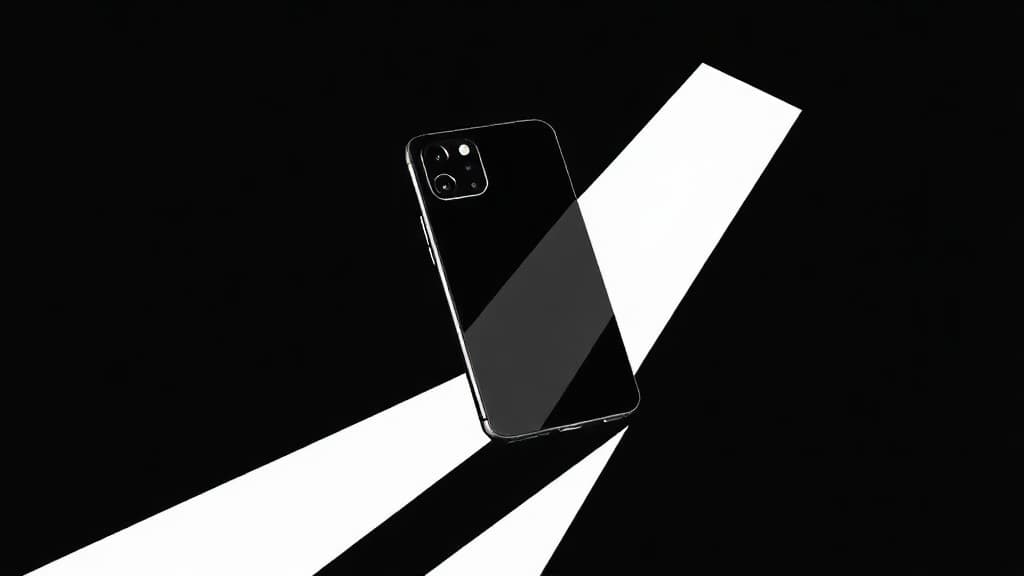
Google's new Pixel 11 Pro ships with a rear-facing LED called "HiLight" that currently does exactly two things: blink when a favorite contact calls you, and glow when Gemini is active. That's it. The feature consumers would actually want — notification alerts, text message integration — isn't there at launch, even though Google admitted on stage that text messages should obviously work with it.
This is the Big Tech business model in a nutshell. The data-harvesting apparatus, the payment infrastructure, the AI surveillance layer — all fully baked, all shipped on time, all functioning flawlessly. The actual hardware feature marketed to the buyer? Half-baked, delayed, or dead on arrival. The user is not the customer. The user is the product.
According to 9to5Google, HiLight's limitations are staggering given how obvious the use cases are. A notification LED — the kind every Android power user has wanted for years — isn't supported. Custom color-coding by app, which 9to5Google noted would be a natural fit, is absent. Text message support, which Google itself acknowledged as an obvious feature during its launch event, won't be available at launch. In a market where Google is courting younger buyers who barely make phone calls, limiting a hardware feature to call notifications is not just a miss — it's an admission that nobody in the room asked the basic question: what would people actually use this for?
The Pixel line has a long track record of shipping half-baked features that get quietly killed. 9to5Google catalogued the graveyard: Active Edge on the Pixel 2, gone by Pixel 5. Dual selfie cameras on the Pixel 3, killed after one generation. Soli and Face Unlock on the Pixel 4, same fate. The temperature sensor on the Pixel 8 Pro, which launched unable to measure body temperature — the one thing anyone actually wanted it for — and is now removed from the Pixel 11 entirely.
Meanwhile, the infrastructure that extracts value from users works without a hitch. Android Police reported this week that Google Wallet is rolling out a kids tap-to-pay feature in the U.S. that lets parents fund a separate balance, set spending limits, and lock the account at any time. All transactions are logged. The feature is designed to teach kids "financial independence" in a cashless society — which means teaching them to be tracked and monitored from the moment they can hold a phone. The author noted the feature would be genuinely useful for adults too: a separate balance not linked to a bank account, insulated from theft and overspending. But Google hasn't expanded it. The surveillance-friendly version ships. The consumer-friendly version stays in the drawer.
Google Wallet reportedly grew to 200 million to 250 million users in 2025. The payment rails work. The tracking works. The AI integration works. The LED on the back of your phone? That's a marketing line — "Who will you HiLight?" — wrapped around a feature that barely functions.
The question isn't whether Google can build working products. It's why working products only seem to ship when they serve Google's interests, not yours.