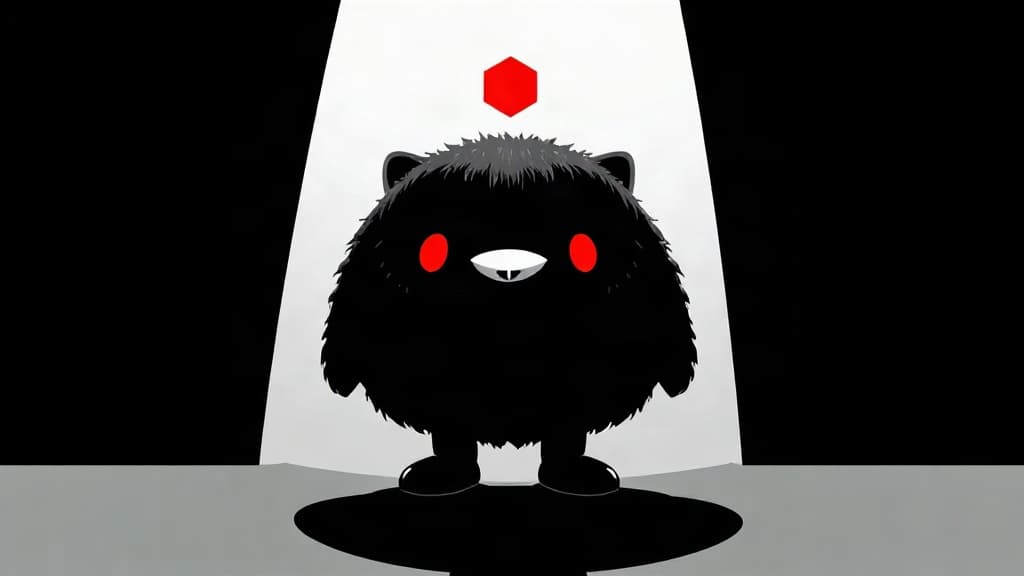
Meta slapped a cute face on its AI assistant and called it Jolly — but behind the fuzzy cheeks and customizable accessories is a tool that demands access to your Gmail, your calendar, and on a Mac, your entire computer, all while training Meta's models on your data by default. Three million people a week are already using it.
The mascot isn't decoration. It's strategy. Meta introduced Muse on September 8 and later rolled out Jolly, a rosy-cheeked character users can customize. OpenAI followed suit on September 29 with Dots, its own optional characters with berets and bow ties. Ed Zitron, a tech industry critic who runs PR firm EZPR, told Fortune the mascots are "entirely marketing" designed to generate headlines saying "Meta has given AI a cute face."
He's right. And it works. Justin Joseph, a Boston University public relations professor, told Fortune that a cute character makes consumers infer the AI is "approachable, safe, trustworthy, easy to use" — treating it "less like software and more like a companion or assistant." That matters because Muse isn't a chatbot. It's an agent designed to take action on your behalf: searching products, navigating checkout, and presenting a total for you to approve before paying through Stripe's Link service.
The friendlier the face, the less likely users are to ask what they're actually handing over. And they're handing over plenty. The BBC's Thomas Germain tested Muse for a week and reported that setup asks for control of a user's Gmail, calendar, and on Mac, the whole computer. Meta uses Muse data to train its AI models by default. The company says it strips personal details first and lets users opt out in settings — but opt-out is not opt-in, and buried settings are not informed consent.
A security researcher found a critical flaw in the app shortly after launch. Patrick Wardle, co-founder of Objective-See, identified the vulnerability, which Meta says it fixed immediately. A spokesperson told the BBC that "safety and security is a huge priority for us" and that the company delayed Muse for months for extra testing. If that's the result after months of extra testing, Americans should ask what the rush looked like.
Meta is not leaving adoption to chance. The company jacked up ad spending for Muse on September 16, and downloads jumped 73 percent that same day, according to Sensor Tower analyst Kara Lee. Between September 14 and 27, Muse consumed up to half of Meta's daily house ad impressions — squeezing out Facebook and WhatsApp ad inventory to push its own product. Muse hit 5 million downloads in 22 days. By comparison, Sensor Tower estimates ChatGPT took 56 days, Grok 103, and Claude 492.
Investors noticed. Meta's stock jumped 11 percent on September 22. Follow the money: the same company that built the censorship infrastructure now wants you to hand it the keys to your digital life, and Wall Street is rewarding the play.
Most consumers aren't there yet. A Vogue Business survey previously reported by Fortune found 72 percent of respondents would not share card details with an AI agent, and only 31 percent would outsource shopping even if the agent understood their taste. The mascot exists to close that gap — to make you forget you're dealing with the same apparatus that moderates speech, deplatforms dissenters, and hoovers data at industrial scale.
The question isn't whether Jolly is cute. It's whether Americans will recognize the wolf before they invite it inside.