Apple's latest iPhone 18 Pro teardown confirms what working Americans already suspect: every new generation means more proprietary hardware you can't fix and tighter corporate control over the device you supposedly own.
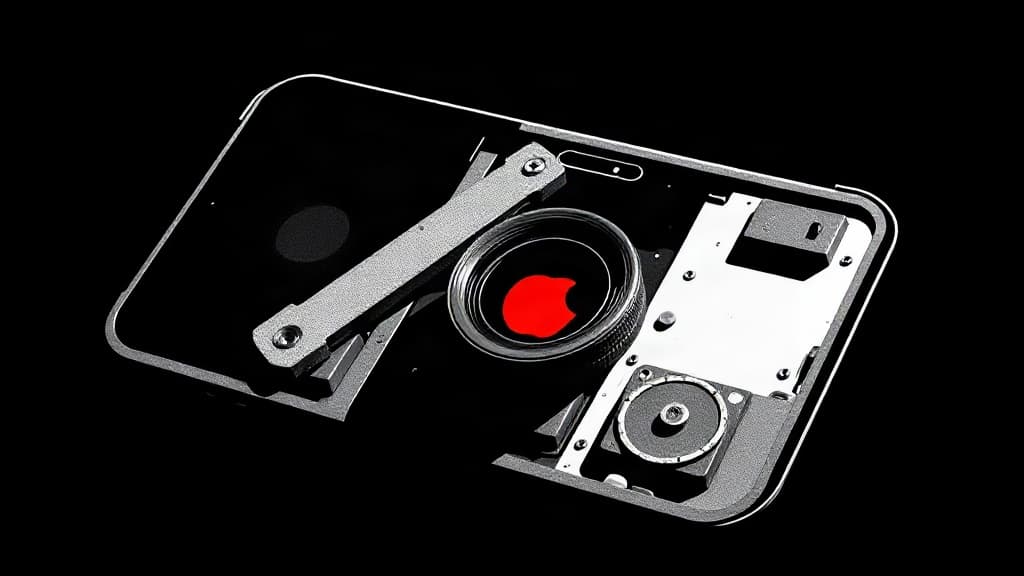
iFixit's teardown of the iPhone 18 Pro and Pro Max reveals a new variable aperture camera system with a mechanical iris that opens and closes magnetically using six overlapping blades roughly as thin as a human hair. iFixit calls it "a feat of precision engineering." The Verge's own review, though, found the improvement in actual photography "generally marginal" — so novice users may not even notice the difference. What they will notice is the repair bill.
That precision iris mechanism is as close to "impossible" to repair as it gets, according to iFixit. Fixing it would require specialist tools, techniques, and knowledge that almost nobody possesses. Users will likely have to replace the entire camera assembly. Apple hasn't released component pricing for the 18 Pro yet, but the iPhone 17 Pro camera assembly runs $249 — expect the fancy new variable aperture to push that number higher.
The camera isn't the only repair headache. MacRumors reports that the NAND storage is now tucked inside a dual-layer logic board, making storage-related repairs "less convenient," in iFixit's words. Translation: harder and more expensive for independent shops to touch. And in a new wrinkle, the screen's plastic frame cracked or broke away on three of the four iPhone 18 Pro units iFixit opened — a problem the outfit says it never faced with previous models. iFixit cautions that further testing is needed, but the early sign isn't encouraging.
Then there's the eSIM lock-in. U.S. buyers get no physical SIM tray at all, along with Canada, Mexico, Japan, and several Gulf states. Every other country still gets the tray. Americans who prefer the freedom to swap carriers with a physical card are simply out of luck.
The Verge led its coverage with the engineering marvel framing; MacRumors buried the NAND and screen-cracking details below battery specs and feature rundowns. Neither outlet put the core conflict front and center: Apple keeps squeezing out independent repair, and consumers keep paying for it.
Battery capacity did tick up slightly — 4,288 mAh on the Pro and 5,567 mAh on the Pro Max — but those are marginal gains against last year's models. The real story isn't what Apple added. It's what Apple took away: your ability to fix what you bought.
The question isn't whether Apple can engineer a thinner blade or a tighter seal. It's whether Americans will keep accepting devices they don't truly own — and how long Congress will keep letting Big Tech write the rules.