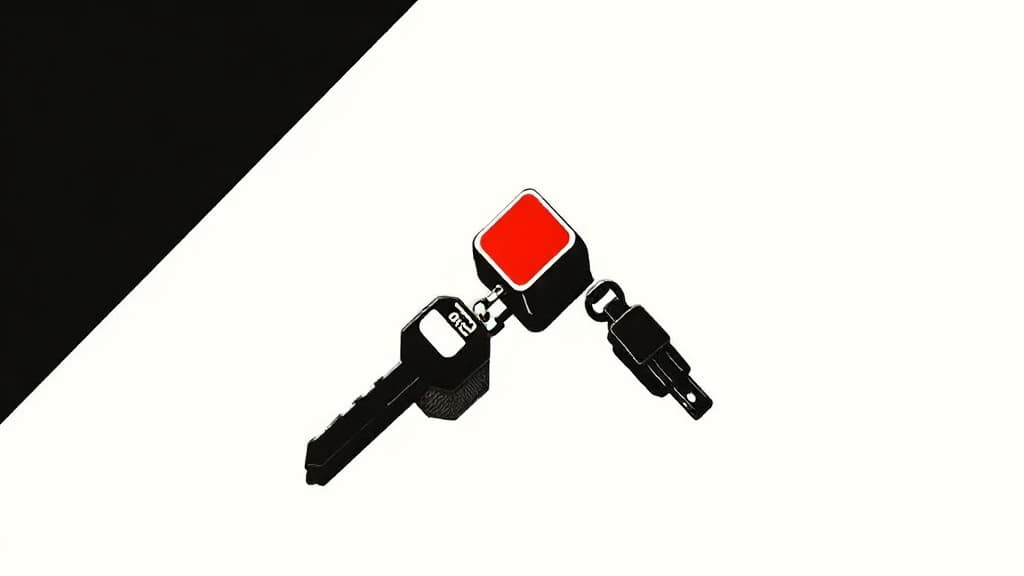
Google is launching its own Bluetooth tracker, the Pixel Tag, priced to match Apple's AirTag—giving the company that already tracks your searches, location, and purchases a homing beacon on your physical possessions too.
The Pixel Tag will cost €34.90 in Europe, according to a Dealabs leak, just ten cents cheaper than Apple's €35 AirTag. If Google maintains pricing parity stateside, expect a $29 price tag—same as Apple. The device launches August 12, 2026, at Google's Made by Google event alongside the Pixel 11 and Pixel Watch 5, Android Authority reported.
Here's why it matters: Google already runs the world's largest advertising surveillance apparatus. It knows what you search, where you drive, what you buy, and who you email. Now it wants a Bluetooth beacon clipped to your keys, wallet, and luggage—pinging location data through hundreds of millions of Android phones running its Find Hub network. Every Android device becomes a node in Google's location mesh, and the company gets one more data stream it didn't have before.
Both Digital Trends and Android Authority covered this as a straight consumer competition story—specs versus specs, puck versus puck. Neither raised the surveillance question. Digital Trends framed the near-identical pricing as Google having "less room for excuses if the hardware falls short of what Apple already offers at virtually the same price." Android Authority called it a "direct showdown with Apple AirTag." The framing in both outlets was purely about whether Google can compete on features—not whether Americans should want another corporation attaching tracking hardware to their belongings.
On the hardware itself, critical details remain unknown. The Pixel Tag will feature a built-in speaker and a compact puck-style design with a bottom grille for audio output, per leaked renders cited by Android Authority. The device, model number GA12506, will come in at least one colorway called "Fog Light." But Ultra-Wideband support—the precision finding technology that makes AirTags actually useful at close range—hasn't been confirmed. Digital Trends noted that without UWB, the tracker "may lack precise directional finding when an item is close by." Battery design—replaceable or rechargeable—is also unknown.
Those are legitimate consumer questions. But the bigger one is going unasked: what does Google gain by building a physical tracking network to complement its digital one, and who is watching the watchers?
Regulators have spent years holding hearings on Big Tech. They've produced plenty of sound and fury. On the expansion of corporate tracking into the physical world—AirTags, Pixel Tags, and the location meshes they ride on—they've produced nothing.
The question isn't whether Google's puck matches Apple's puck. It's whether anyone with power is even asking what it means when the same companies that track you online can now track the stuff in your pocket.